
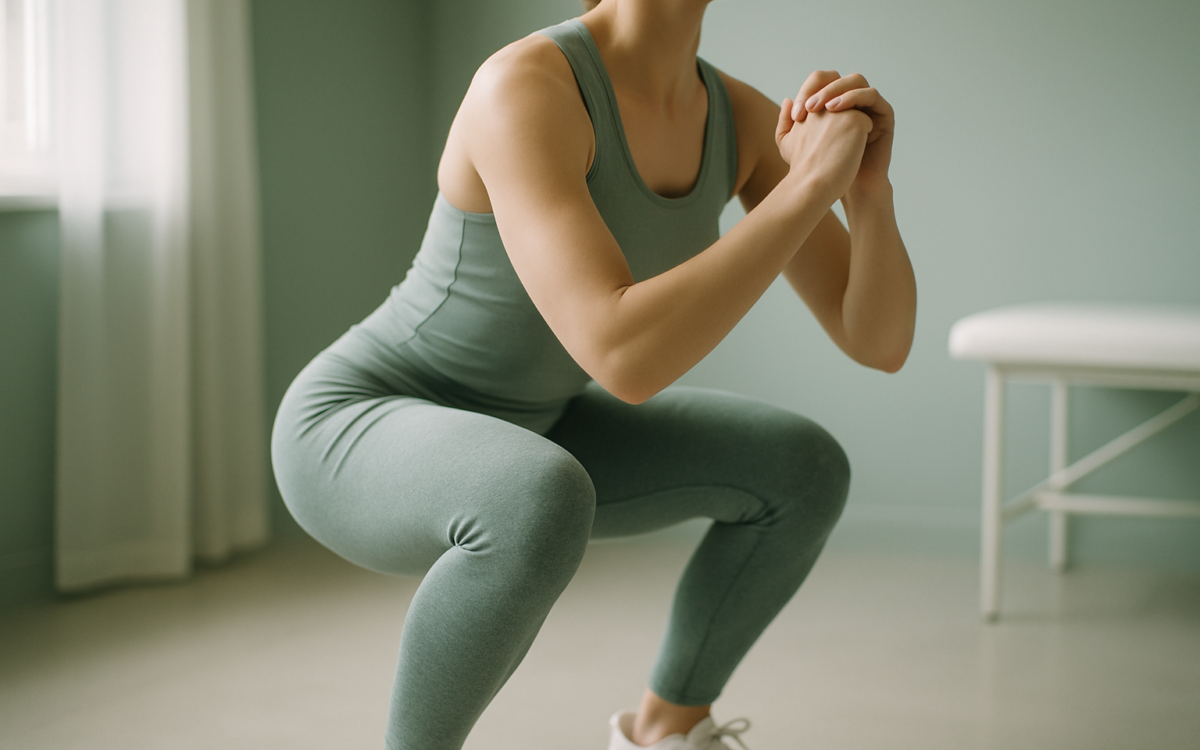
The squat is one of the most fundamental exercises for building strength, enhancing performance, and improving overall health. For athletes, fitness enthusiasts, or anyone looking to maintain a healthy lifestyle, mastering proper squat form is essential. Not only does it optimize your workouts, but it also significantly reduces the risk of injury. In this article, we will explore what proper squat form looks like and why it’s crucial for your body.
Understanding the Basics of a Squat
A squat is a compound movement that engages multiple muscle groups, primarily targeting the quadriceps, hamstrings, glutes, and core. It mimics fundamental movements we perform every day, such as sitting down and standing up. To squat effectively, you need to use your legs while maintaining good alignment in your body. This ensures you can lift weights safely, enhance endurance, and strengthen your muscles.
The Key Elements of Proper Squat Form
To achieve proper squat form, focus on the following key elements:
- Foot Position: Start with your feet shoulder-width apart and toes pointed slightly outward. This position provides a stable base and helps you maintain balance.
- Core Engagement: Keep your core tight throughout the movement. Engaging your abdominal muscles supports your spine and helps prevent injuries.
- Knees Over Toes: As you bend your knees, ensure they don’t extend beyond your toes. Your knees should track in line with your toes to reduce stress on your joints.
- Chest Up and Back Straight: Maintain an upright torso with your chest lifted. Avoid rounding your back, as this can lead to strain and injury.
- Depth of the Squat: Aim to lower your hips until your thighs are parallel to the ground or lower, if your flexibility allows. The deeper you can squat while maintaining form, the better.
Common Squat Mistakes to Avoid
Even if you think you’re squatting correctly, you might be making some common mistakes that can lead to injury or ineffective workouts. Here are a few key errors to watch for:
- Leaning Forward: Avoid shifting your weight too far forward, which can strain your knees and lower back. Keep your weight balanced through your heels.
- Caving Knees: Allowing your knees to collapse inward can lead to injuries. Focus on pushing your knees outward throughout the squat.
- Not Squatting Deep Enough: Half-squats can limit your strength gains and don’t fully engage the muscles. Always try to squat deeper while maintaining proper form.
Incorporating Squats into Your Routine
To reap the benefits of squats, incorporate them regularly into your workout routine. Start with bodyweight squats to master your form. As you become more comfortable, gradually introduce resistance with dumbbells, kettlebells, or a barbell. Here’s a simple progression you can follow:
- Bodyweight Squats: Focus on form and depth.
- Goblet Squats: Hold a weight at chest level to increase resistance.
- Barbell Squats: When ready, add a barbell to build strength.
Consider varying your squats with different types, such as sumo squats or jump squats, to keep your workouts interesting and engage different muscle groups. For those seeking international treatment options for fitness enhancement, check out acibademinternational.com for resources.
Assessing Your Squat Performance
To ensure you’re using proper squat form, utilize a mirror or record yourself while squatting. Watching your form in real-time can help identify areas for improvement. Additionally, consider seeking feedback from a certified trainer who can provide personalized guidance.
Listening to your body is also crucial. If you experience pain (not to be confused with typical muscular discomfort), it may indicate improper form or an underlying issue that requires attention.
When to See a Doctor
If you experience persistent pain in your knees, hips, or back during or after squatting, consider consulting with a healthcare professional. Conditions like tendonitis or muscle strains may require more in-depth evaluation. It’s essential to address any pain early to prevent further injury.
Conclusion
Mastering proper squat form is a critical component of successful strength training and overall fitness. By focusing on the key elements of a squat, avoiding common mistakes, and progressively incorporating them into your routine, you can enhance your workout performance while minimizing injury risk. Remember, the road to better health is a journey—embrace it with safe and effective techniques!
