
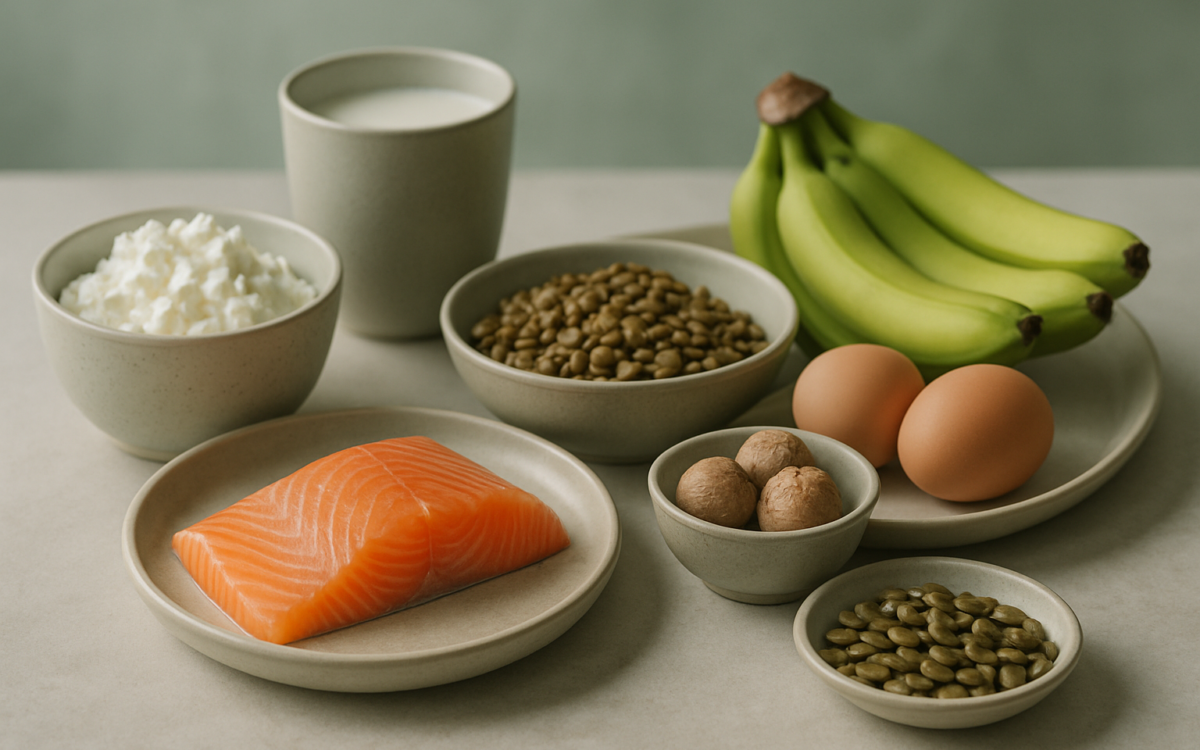
Lysine is an essential amino acid, crucial for many bodily functions, including protein synthesis, hormone production, and immune function. Unlike some amino acids, our bodies cannot produce lysine, so we must obtain it from our diet. Including foods high in lysine can help ensure you meet your nutritional needs and maintain optimal health. Let’s explore the various food sources that are rich in lysine and how they can benefit you.
Understanding Lysine and Its Role in Health
Lysine is one of the nine essential amino acids that our bodies cannot make on their own. This means we need to consume it through food. It plays a vital role in protein synthesis, which is necessary for tissue growth and repair. Additionally, lysine is important for the production of hormones, enzymes, and antibodies, making it a key player in maintaining a healthy immune system.
Some studies suggest that lysine might help in preventing and managing cold sores caused by the herpes simplex virus, although more research is needed in this area. Because of its essential functions, ensuring adequate lysine intake can contribute significantly to overall health and well-being.
Top Animal Sources of Lysine
Animal products are generally rich in lysine. Here are some excellent sources:
- Meat: Beef, chicken, and pork are particularly high in lysine. Lean cuts are a good way to incorporate them into a healthy diet.
- Fish: Species like cod, sardines, and mackerel are good sources of lysine and also provide healthy omega-3 fatty acids, which are beneficial for heart health.
- Dairy Products: Milk, cheese, and yogurt are not only rich in calcium but also contain high levels of lysine. Cottage cheese, in particular, is known for its lysine content.
Plant-Based Sources of Lysine
For vegetarians and vegans, there are still plenty of lysine-rich foods to consider:
- Legumes: Lentils, chickpeas, and beans (such as black beans and kidney beans) are high in lysine and are great meat alternatives. They also provide fiber and other nutrients.
- Nuts and Seeds: While many nuts are lower in lysine than meat sources, pumpkin seeds and hemp seeds are among the best plant-based options. They make a nutritious snack or a great addition to salads.
- Quinoa: This whole grain is one of the few plant sources that is a complete protein, meaning it contains all essential amino acids, including lysine. It can easily replace rice or wheat in many dishes.
- Tofu: Made from soybeans, tofu is another excellent source of lysine. It’s versatile and can take on many flavors in recipes.
Combining Foods for Enhanced Lysine Intake
For individuals on a plant-based diet, pairing different food sources can help maximize lysine intake. Combining legumes with grains, for example, can create a more complete amino acid profile. Here are some beneficial combinations:
- Rice and beans
- Peanut butter on whole-grain bread
- Hummus made with chickpeas and eaten with whole-grain pita
These combinations can not only enhance the nutritional value of your meals but also provide a variety of flavors and textures!
Daily Recommended Intake of Lysine
The recommended daily intake of lysine can vary based on age, sex, and level of physical activity. Generally, the National Institutes of Health (NIH) suggests the following:
- Children (1-3 years): 900 mg
- Children (4-8 years): 1,000 mg
- Children (9-13 years): 1,200 mg
- Adults: 1,000 mg
- Pregnant or breastfeeding women: 1,200-1,400 mg
These values can help you gauge your dietary needs as you focus on incorporating lysine-rich foods into your meals.
When to See a Doctor
If you suspect you are not getting enough lysine or have symptoms such as frequent fatigue, hair loss, or weakened immune function, it’s important to consult a healthcare professional. They can help assess your dietary intake and recommend appropriate interventions. Similarly, if you have specific dietary concerns or conditions that may affect how your body uses proteins, discussing these with your doctor can provide valuable insights.
Conclusion
Incorporating foods high in lysine into your diet can be a delicious way to ensure you’re meeting your nutritional needs. From lean meats and fish to legumes and grains, there are plenty of options to choose from. By understanding the importance of lysine and making conscious food choices, you can enhance your health and wellbeing. Remember, if you have dietary concerns or specific health conditions, always consult with your healthcare provider for personalized guidance.
