
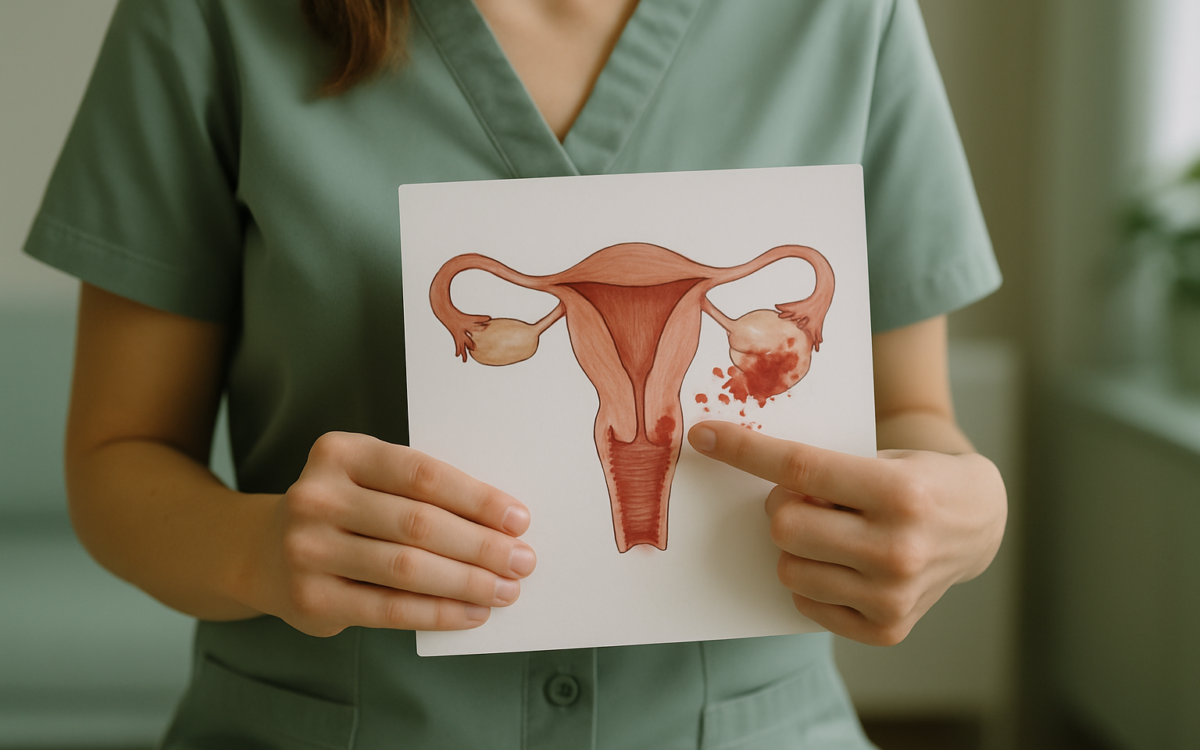
Ovarian cysts are fluid-filled sacs that develop on the ovaries. For many women, they are harmless and cause little to no symptoms. However, sometimes these cysts can rupture, and understanding what that means is essential for maintaining good health. This article explores the signs, symptoms, and management of ovarian cyst rupture, helping you navigate this condition with confidence.
What Are Ovarian Cysts?
Ovarian cysts are usually linked to the menstrual cycle. They can vary in size and type, with the most common being functional cysts that occur during ovulation. While most cysts resolve on their own without treatment, some can lead to complications, including rupture.
Signs and Symptoms of Ovarian Cyst Rupture
When an ovarian cyst ruptures, it may not always be apparent. However, several signs typically indicate this occurrence. Common symptoms include:
- Sudden Pain: Many women experience sudden, sharp pain in the lower abdomen, which may be on one side where the cyst is located.
- Fluid Leakage: The rupture can cause fluid to spill into the abdominal cavity, which may lead to irritation and inflammation.
- Nausea or Vomiting: Some women report feeling nauseous or experiencing vomiting following a rupture.
- Pressure Symptoms: You may feel pressure on your bladder or bowel, leading to changes in urination or bowel habits.
What Causes an Ovarian Cyst to Rupture?
Rupture can occur for several reasons, including:
- Size: Larger cysts are more prone to rupture.
- Physical Activity: Engaging in strenuous exercise or heavy lifting can sometimes trigger a rupture.
- Hormonal Changes: Hormonal fluctuations during the menstrual cycle can also contribute to rupturing.
Understanding these factors can help you better manage your ovarian health. If you know you have an ovarian cyst, monitoring its size and symptoms with your doctor can be beneficial.
Diagnosing an Ovarian Cyst Rupture
If you experience symptoms suggestive of a cyst rupture, it’s essential to get a proper diagnosis. Health care providers typically use imaging techniques such as:
- Ultrasound: This non-invasive procedure can effectively visualize the cyst and any accompanying fluid in the abdominal cavity.
- CT Scan: In certain cases, a CT scan may be used for a more detailed view.
Physical examinations and discussing your symptoms are also key steps your doctor will take during the diagnostic process.
Potential Complications of Ovarian Cyst Rupture
While many cases of ruptured cysts are manageable, some can lead to complications:
- Hemorrhage: In some instances, a ruptured cyst can cause internal bleeding, which may require immediate medical attention.
- Infection: If an ovarian cyst ruptures, it can increase the risk of infections in the pelvic area.
- Pain Management Issues: Severe pain may require medication and monitoring, as it can significantly affect a woman’s quality of life.
Being aware of these potential complications can help you recognize when you may need to seek medical help.
When to See a Doctor
If you experience persistent or severe pain in your lower abdomen, along with symptoms like nausea, vomiting, or unusual bleeding, it’s important to seek medical attention. Early diagnosis can prevent further complications and ensure appropriate treatment. Additionally, if you have previously diagnosed ovarian cysts and notice any sudden changes in your symptoms, consult your doctor.
Conclusion
Understanding ovarian cyst rupture can empower women to take charge of their reproductive health. While most cysts are harmless, being aware of the signs and symptoms of rupture can help you know when to seek medical care. Always stay informed and maintain open communication with your healthcare provider to ensure your well-being.
For more information, you can refer to resources from the National Institutes of Health, Mayo Clinic, or the World Health Organization.
