
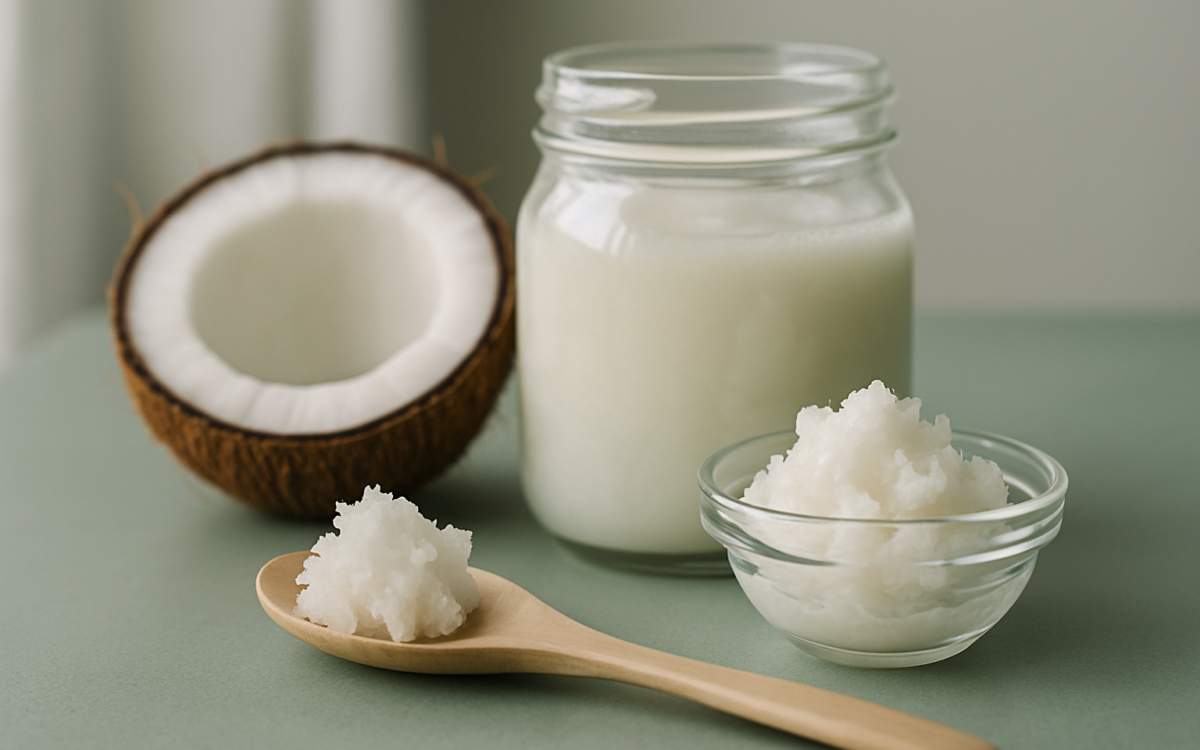
Unrefined coconut oil has been a staple in tropical cultures for centuries, but in recent years, it has gained traction in many kitchens and homes around the world. With its rich flavor and potential health benefits, it’s no surprise that unrefined coconut oil is a favorite among health enthusiasts. But what really sets it apart from other oils? Let’s dive into its benefits, uses, and a few things to keep in mind when incorporating it into your daily routine.
What Is Unrefined Coconut Oil?
Unrefined coconut oil, often referred to as virgin coconut oil, is extracted from fresh coconut meat without any chemicals or excessive heat during processing. This means it retains the coconut’s natural flavor, aroma, and nutrients. Unlike refined coconut oil, which undergoes processes like bleaching and deodorizing, unrefined coconut oil keeps its beneficial properties intact.
Nutritional Profile
Unrefined coconut oil is predominantly made up of saturated fats, specifically medium-chain triglycerides (MCTs). These fats are known for being easier to digest and can provide a quick energy source for the body. A tablespoon of unrefined coconut oil contains approximately 120 calories and 14 grams of fat, offering a mix of short and medium-chain fatty acids.
Health Benefits of Unrefined Coconut Oil
There are numerous potential benefits of using unrefined coconut oil in your diet and daily routine:
- Heart Health: Some studies suggest that the MCTs in coconut oil may help improve cholesterol levels, potentially boosting HDL (good) cholesterol while lowering LDL (bad) cholesterol levels. However, it’s important to consult with your healthcare provider to determine how it fits into your heart health plan (NIH).
- Weight Management: Research indicates that MCTs may aid in weight loss by promoting feelings of fullness and increasing metabolism. Incorporating unrefined coconut oil into meals can be a way to enhance flavor while potentially supporting weight management efforts.
- Antimicrobial Properties: Unrefined coconut oil contains lauric acid, which may possess antimicrobial properties. It has been shown to combat certain bacteria and viruses, suggesting it could play a role in maintaining overall health (NIH).
- Skin and Hair Care: Beyond cooking, unrefined coconut oil is popularly used in skincare. It can moisturize dry skin, help soothe eczema, and may even provide some protection against harmful UV rays. When used on hair, it can add shine and help hydrate dry or damaged strands.
Cooking with Unrefined Coconut Oil
Unrefined coconut oil has a distinct, slightly sweet coconut flavor that can enhance many dishes. It’s a versatile oil that can be used for baking, sautéing, or as a replacement for butter.
When cooking with unrefined coconut oil, keep the following in mind:
- Smoke Point: The smoke point of unrefined coconut oil is around 350°F (175°C), making it suitable for low to medium-heat cooking. It’s best not to use it for high-heat cooking, like deep frying, which can degrade the oil’s quality.
- Flavor Pairing: Unrefined coconut oil pairs well with a range of ingredients. It can be a fantastic addition to tropical or Asian dishes, smoothies, and baked goods.
Storage Tips
To maximize the shelf life of unrefined coconut oil:
- Keep it Cool: Store the oil in a cool, dark place, away from direct sunlight. A pantry or cabinet is ideal.
- Use an Airtight Container: Seal the oil tightly to prevent oxidation and rancidity. Glass jars work well for storage.
Unrefined coconut oil can last up to two years when stored properly. Just keep an eye out for changes in smell or appearance, which may indicate spoilage.
When to See a Doctor
If you experience any adverse reactions after consuming unrefined coconut oil or have specific health concerns, such as high cholesterol or heart disease, it’s crucial to consult your healthcare provider. They can provide personalized advice and help you determine if unrefined coconut oil is a good fit for your diet.
Conclusion
Unrefined coconut oil is more than just a trendy ingredient; it offers a range of potential health benefits and uses that can enhance both your cooking and personal care routines. With its unique flavor and beneficial nutrients, it’s worth considering adding this versatile oil to your health toolkit. However, as with any oil or food, moderation is key, and consulting a healthcare professional can help guide your choices effectively.
