
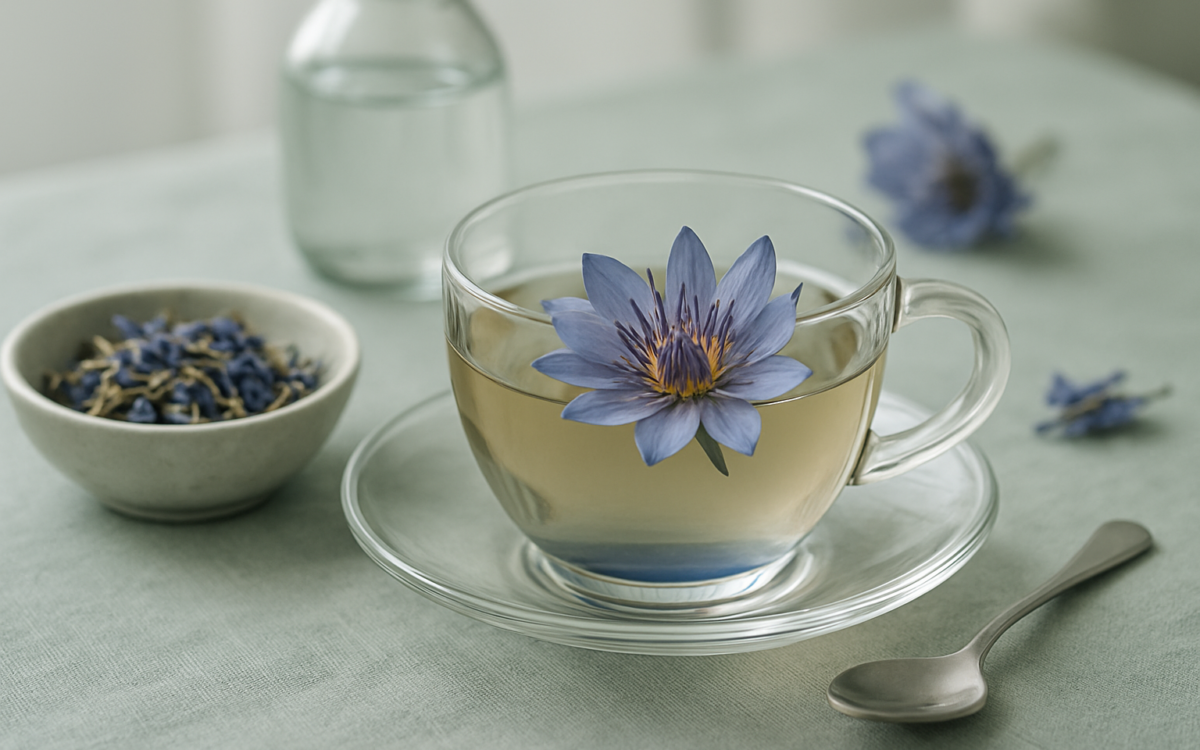
Blue lotus tea, known for its striking blue hues and aromatic fragrance, has intrigued cultures for centuries. This enchanting beverage, made from the dried flowers of the blue lotus plant, not only captures the eye but also carries a wealth of history and potential health benefits. In this article, we will explore the origins, benefits, and uses of blue lotus tea, along with any precautions you should be aware of.
What is Blue Lotus?
The blue lotus, or Nymphaea caerulea, is a water lily native to Egypt and parts of the Nile. Revered by ancient Egyptians, this plant was associated with spiritual enlightenment and rebirth. It is often depicted in art and mythology, symbolizing the journey from darkness to light.
The tea is brewed from the flowers of this captivating plant and is celebrated not only for its beauty but also for its potential effects on mood and relaxation. Unlike many teas, blue lotus tea is known for its mild psychoactive properties, which have led some to use it for stress relief and enhancing meditation practices.
Potential Health Benefits
While more research is needed to fully understand the health benefits of blue lotus tea, some studies and anecdotal evidence suggest several promising effects:
- Natural Relaxation: Many people consume blue lotus tea for its calming effects, which can help reduce anxiety and promote a sense of well-being.
- Antioxidant Properties: Blue lotus is rich in antioxidants, which protect your body from oxidative stress. Antioxidants can help reduce inflammation and lower the risk of chronic diseases, according to the NIH.
- Improved Sleep: Users often report better sleep quality after consuming blue lotus tea. Some believe it can assist in achieving deeper and more restful sleep.
- Potential Pain Relief: Traditional uses of blue lotus have included pain relief from headaches and menstrual cramps, though more scientific evidence is required in this area.
Traditional Uses and Cultural Significance
Historically, blue lotus has been used in various cultural practices. Ancient Egyptians utilized the plant in rituals and for medicinal purposes, often mixing it with other herbs. Its psychoactive properties were likely revered, as the tea was thought to enhance spiritual awareness.
In modern herbal medicine, blue lotus tea has gained popularity among those seeking natural remedies for stress and tension. It is commonly enjoyed in social settings, often as a way to unwind and connect with others.
How to Prepare Blue Lotus Tea
Preparing blue lotus tea is quite simple and can be done at home using loose flowers or pre-packaged tea bags. Here’s a basic recipe:
- Ingredients:
- 1-2 teaspoons of dried blue lotus flowers (or 1 tea bag)
- 1 cup of boiling water
- Instructions:
- Place the dried flowers or the tea bag in a cup.
- Pour boiling water over the flowers or tea bag.
- Cover the cup and let it steep for 10-15 minutes, depending on your taste preferences.
- Strain the tea, if using loose flowers, and enjoy your beverage!
You can enhance the flavor of blue lotus tea by adding honey, lemon, or other herbal infusions to suit your palate.
Possible Side Effects and Precautions
While blue lotus tea is generally considered safe for most people, some may experience adverse effects. These can include:
- Drowsiness: Due to its calming effects, it may not be suitable if you need to stay alert.
- Allergic Reactions: As with any herb, some individuals may be allergic to blue lotus. It’s best to start with a small amount and see how your body reacts.
- Drug Interactions: If you are taking medications, especially those affecting the central nervous system, it’s crucial to consult with a healthcare provider, as blue lotus might interact with certain drugs.
It’s advisable to avoid blue lotus tea if you are pregnant or breastfeeding due to limited research on its safety in these situations.
When to See a Doctor
If you experience severe side effects after consuming blue lotus tea, such as an allergic reaction or prolonged drowsiness, consult a healthcare professional promptly. Additionally, if you have any underlying health conditions or are uncertain about incorporating new herbal teas into your diet, discussing with your doctor is always wise.
Conclusion
Blue lotus tea offers a mesmerizing blend of history, culture, and potential health benefits. While it’s celebrated for its calming effects and rich antioxidant properties, it’s essential to approach it thoughtfully and be aware of any possible side effects. As with any herbal remedy, moderation is key. Enjoy blue lotus tea as a soothing addition to your wellness routine, but always feel comfortable seeking advice from a medical professional regarding your health.
