
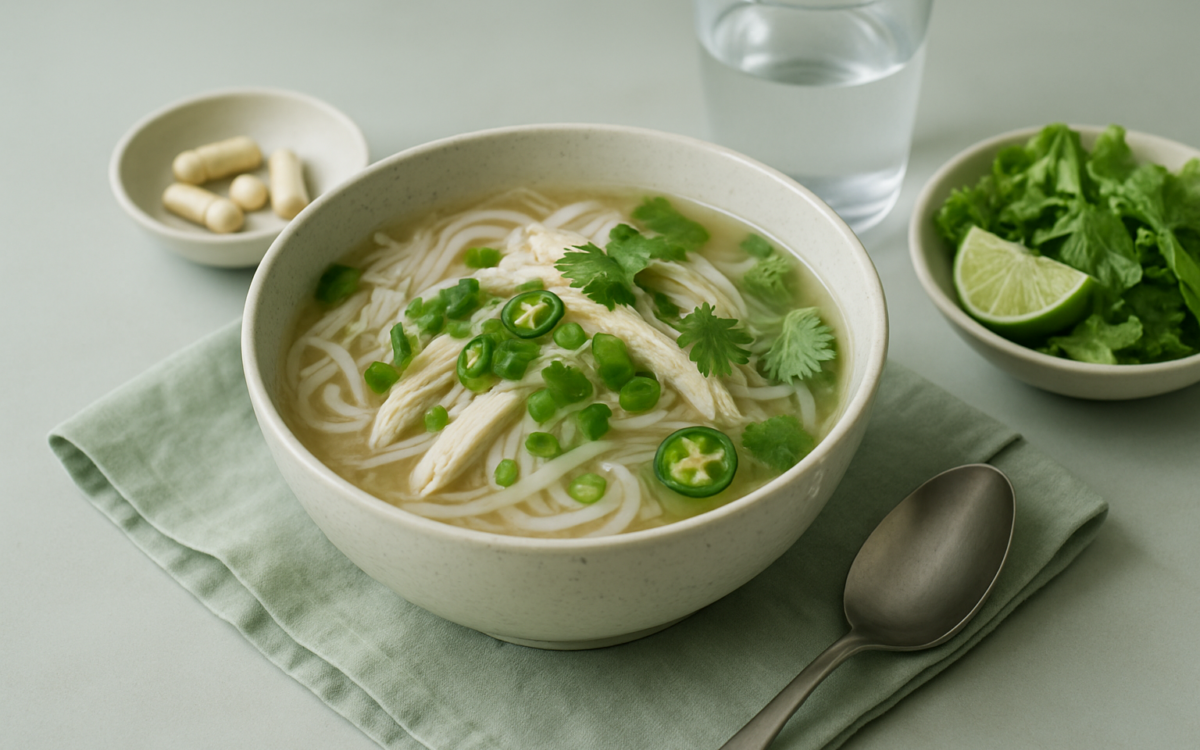
Pho noodle soup, a beloved dish from Vietnam, is much more than a comforting bowl of broth and noodles. With its aromatic flavors and rich history, pho offers a tantalizing experience for your taste buds while also providing a range of nutritional benefits. Let’s take a closer look at the ingredients that make pho a wholesome choice and how they contribute to your overall health.
The Basics of Pho Noodle Soup
Pho is traditionally made with rice noodles, a flavorful broth, a selection of fresh herbs, and protein, typically beef or chicken. These ingredients combine to create a savory and satisfying meal. Understanding the nutritional value of pho starts with its key components.
Rice Noodles: The Base of Pho
At the heart of any bowl of pho is the rice noodle, also known as bánh phở. Here’s what you need to know about their nutrition:
- Carbohydrates: Rice noodles are primarily made of carbohydrates, which provide energy. A typical serving contains about 40-50 grams of carbs.
- Low in Fat: These noodles are low in fat, making them a heart-friendly option.
- Gluten-Free: For those with gluten sensitivities, rice noodles are a suitable alternative.
However, it’s important to watch portion sizes, especially if you’re monitoring your carbohydrate intake.
Broth: The Soul of Pho
The broth is what sets pho apart, often simmered for hours with spices and ingredients like cinnamon, star anise, and cloves. The nutritional benefits of the broth include:
- Hydration: A hot bowl of soup helps keep you hydrated.
- Minerals: Depending on the bones used, the broth can be rich in minerals like calcium and magnesium.
- Flavor Without Calories: The broth can add depth and flavor without significantly raising calorie counts, making pho a satisfying yet light meal.
Homemade broth can also hold added benefits, as it’s often less salty than store-bought versions.
Proteins: Beef, Chicken, and Alternatives
The protein in pho can vary based on personal preference or dietary restrictions. While traditional pho often includes beef or chicken, vegetarian options are gaining popularity. Here’s a breakdown of protein sources:
- Beef: Rich in iron and essential amino acids, beef adds a robust flavor to the broth. A 3-ounce serving can provide over 20 grams of protein.
- Chicken: This leaner protein is lower in fat than beef and a great alternative. A serving can contain around 25 grams of protein.
- Tofu and Other Plant-Based Proteins: For vegetarians, tofu is a wonderful protein source, offering around 10 grams per serving while also being a good source of calcium.
Choosing lean meat or plant-based protein options can enhance the nutritional profile of your pho.
Herbs and Greens: Flavor and Nutrition
A bowl of pho is often topped with fresh herbs such as basil, cilantro, and lime, along with bean sprouts and chili peppers. These additions are not just for flavor, but they also pack a nutritional punch:
- Basil: Contains antioxidants and vitamins A and K.
- Cilantro: Known for its anti-inflammatory properties and rich in vitamins and minerals.
- Bean Sprouts: Low in calories but high in fiber, bean sprouts can promote digestive health.
Incorporating these fresh ingredients not only enhances the flavor but also boosts the overall nutrient content of your pho noodle soup.
International Perspective on Pho’s Health Benefits
Pho is not just popular in Vietnam; it has gained global recognition for its health benefits. Many cultures are beginning to adapt their own versions of pho, integrating local ingredients while maintaining its nutritious essence. For those considering international treatment options or exploring culinary therapies, resources like acibademinternational.com can provide insights into nutritional therapies available around the world. With its adaptability, pho can seamlessly fit into various dietary patterns, promoting wellness wherever it’s enjoyed.
Wrapping Up the Nutritional Benefits of Pho
In conclusion, pho noodle soup can be a part of a balanced diet. Its nutritious blend of ingredients — from rice noodles to fresh herbs and proteins — contributes positively to health. Its versatility makes it suitable for various dietary preferences and needs.
When to See a Doctor
If you experience digestive issues after consuming pho, or if you have concerns about dietary restrictions and nutritional needs, it might be wise to consult a healthcare professional. They can provide personalized advice tailored to your health status.
As you enjoy a steaming bowl of pho, remember that it’s not just a meal, but also a nutritious option for many dietary lifestyles.
