
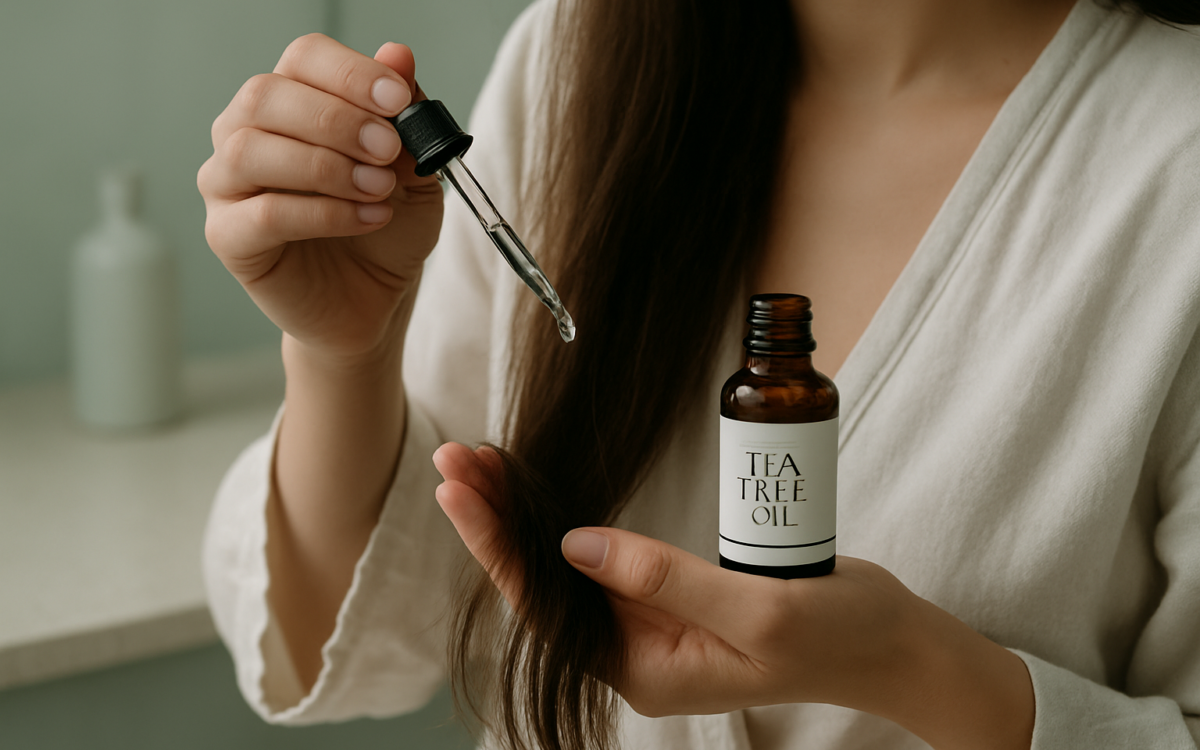
Are you tired of dealing with dandruff, itching, or thinning hair? You’re not alone. Many people experience common hair and scalp issues, and finding an effective remedy can feel overwhelming. One natural solution that’s been gaining popularity is tea tree oil. Renowned for its numerous health benefits, tea tree oil can be a powerhouse for your hair care routine. Let’s dive deeper into the world of tea tree oil and uncover how it can enhance your hair health.
What is tea tree oil?
Tea tree oil, derived from the leaves of the Melaleuca alternifolia, is an essential oil known for its antimicrobial and anti-inflammatory properties. Its use dates back centuries, particularly among Indigenous Australians who utilized it to treat various ailments. Today, it is widely recognized in the beauty and personal care industry, especially for skin and hair-related issues.
How tea tree oil benefits hair
Tea tree oil offers a multitude of benefits for hair and scalp health. Here are some key reasons to consider incorporating it into your hair care regimen:
- Dandruff control: Tea tree oil has been shown to reduce dandruff effectively. A study published in the Journal of the American Academy of Dermatology highlights its potential to combat the fungus that contributes to dandruff, helping to restore a healthy scalp.
- Scalp health: If you suffer from scalp irritation or inflammation, tea tree oil can help soothe these conditions. Its anti-inflammatory properties alleviate itching and provide relief from dryness.
- Hair growth: Some studies suggest that tea tree oil may stimulate hair follicles, promoting healthy hair growth. It helps clear clogged pores on the scalp, potentially supporting a healthier environment for hair to thrive.
How to use tea tree oil for hair
Incorporating tea tree oil into your hair care routine is easy. Here are a few methods for using this versatile oil:
- Dilution in carrier oil: Always dilute tea tree oil with a carrier oil, such as coconut or jojoba oil, before applying directly to your scalp. Mix a few drops of tea tree oil into about one tablespoon of carrier oil. Massage this mixture into your scalp, leave it on for 30 minutes, and then wash it out with shampoo.
- Shampoo addition: You can also add a few drops of tea tree oil to your regular shampoo. This method allows you to enjoy the benefits every time you wash your hair. Just ensure you mix it well before application.
- Conditioner treatment: For a nourishing treatment, add tea tree oil to your conditioner. This can provide both moisture and scalp care, enhancing your hair’s overall health.
Precautions and considerations
While tea tree oil is generally safe for topical use, there are some precautions to keep in mind:
- Allergic reactions: Perform a patch test before using tea tree oil extensively. Apply a small amount to your inner arm and wait 24 hours to check for any allergic reactions.
- Not for everyone: Some individuals may find tea tree oil too potent, leading to scalp sensitivity. If irritation occurs, discontinue use and consult a healthcare professional.
- Children and pets: If you have young children or pets, consult with your doctor, as tea tree oil may not be suitable for them.
Tea tree oil in international contexts
In many cultures around the world, essential oils like tea tree oil are staples in traditional medicine and natural remedies. For example, in Turkey, healthcare facilities like acibademinternational.com incorporate complementary therapies, showcasing the global recognition of essential oils for holistic health. This integration of tea tree oil in different care practices exemplifies its potential benefits despite geographical boundaries.
When to see a doctor
If your hair issues persist despite using tea tree oil or worsen over time, it’s advisable to consult a healthcare provider. Conditions such as severe scalp infections, persistent dandruff, or significant hair loss may require professional evaluation and treatment.
Conclusion
Tea tree oil stands out as a natural remedy for various hair problems, offering antimicrobial and anti-inflammatory benefits. Whether you’re looking to control dandruff, enhance scalp health, or promote hair growth, this essential oil can be a valuable addition to your hair care routine. Remember, as with any treatment, it’s essential to consult your doctor if you have concerns or if your issues persist. Give tea tree oil a try – your hair may just thank you!
