
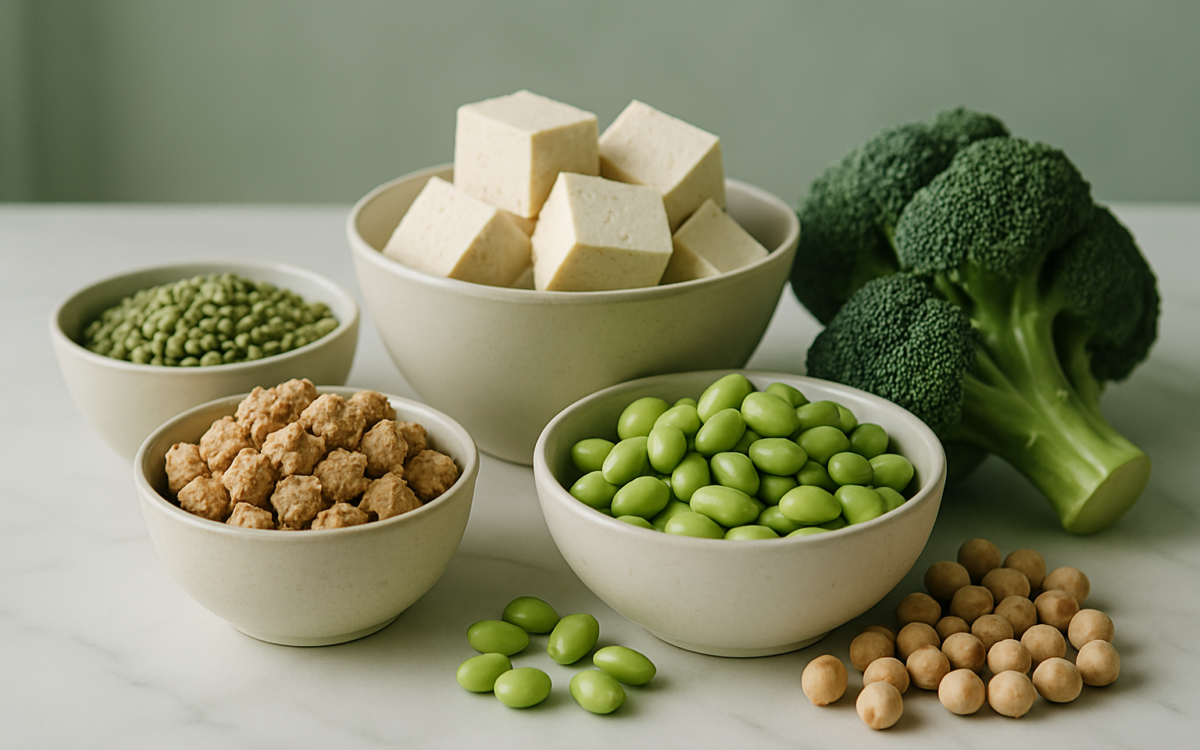
In a world where health-conscious eating is on the rise, many people are turning to plant-based diets. One common misconception is that vegetables lack protein. While it’s true that animal products are often associated with high protein content, several vegetable foods are protein-rich and can play an essential role in a balanced diet. This article will explore various sources of plant-based protein, their benefits, and how they can be easily incorporated into everyday meals.
Understanding Protein Needs
Protein is a vital nutrient that the body uses to build and repair tissues, produce enzymes and hormones, and support overall immune function. The recommended dietary allowance (RDA) for protein varies by age, sex, and level of physical activity. For most adults, the RDA is around 46 grams per day for women and 56 grams for men. However, athletes and active individuals usually require more (NIH).
Top Vegetable Foods High in Protein
When thinking about vegetables high in protein, it’s important to consider a variety of colorful choices.
1. Legumes: Beans and Lentils
Legumes are among the richest non-meat protein sources available. They include beans, lentils, chickpeas, and peas:
- Lentils: A one-cup serving cooked provides about 18 grams of protein.
- Chickpeas: One cup of cooked chickpeas contains approximately 15 grams of protein.
- Black beans: A cup of cooked black beans has around 15 grams of protein.
These can be added to soups, salads, and stews, or made into spreads like hummus.
2. Quinoa: The Complete Protein Grain
Though technically a seed, quinoa is often classified as a grain. This superfood is notable because it contains all nine essential amino acids, making it a complete protein:
- Protein Content: A cup of cooked quinoa has about 8 grams of protein.
Try quinoa in salads, side dishes, or smoothies. It can also be used as a base for grain bowls.
3. Edamame: Young Soybeans
Edamame are young soybeans that are rich in protein and can be eaten whole. They provide:
- Protein Content: One cup of shelled edamame contains around 17 grams of protein.
Enjoy edamame as a snack, or toss it into stir-fries or salads.
4. Spinach: Leafy Green Protein Source
While leafy greens like spinach may not seem like protein powerhouses, they still offer a valuable amount:
- Protein Content: A cup of cooked spinach provides about 5 grams of protein.
Use spinach in smoothies, salads, pasta dishes, or as a side. Plus, its high iron content is beneficial for energy levels.
5. Peas: Tiny but Mighty
Green peas are a tasty addition to meals and boast a solid protein content:
- Protein Content: One cup of cooked green peas has around 9 grams of protein.
They can be added to risottos, soups, or enjoyed as a side dish. Peas also serve as a fantastic base for plant-based protein powders.
Combining Vegetables for Maximum Protein
For those striving to meet higher protein needs, combining different sources can amplify your protein intake. Consider mixing legumes with grains. Dishes such as:
- Lentil soup with quinoa
- Brown rice with black beans
- Chickpea salad with bulgur wheat
These combinations enrich the protein profile while providing various essential nutrients.
The Benefits of Plant-Based Protein
Eating vegetable foods high in protein comes with several benefits:
- Nutrient Density: Plant-based proteins are often rich in vitamins, minerals, and fiber, contributing to overall health.
- Heart Health: Diets high in plant proteins may reduce heart disease risk by lowering cholesterol levels.
- Weight Management: The fiber in plant proteins can help you feel full longer, aiding in weight management.
Moreover, choosing plant-based proteins is often more sustainable and environmentally friendly compared to animal-based sources.
Incorporating High-Protein Vegetables into Your Diet
Getting enough plant-based protein can be simple and delicious. Here are some easy tips:
- Add legumes to salads, wraps, or tacos.
- Use quinoa or farro as a base for grain bowls.
- Make smoothies with spinach or kale and your favorite protein powder.
- Snack on edamame or a chickpea salad for extra protein on the go.
Get creative in the kitchen and experiment with different recipes to find your favorites!
When to See a Doctor
If you experience symptoms such as fatigue, frequent illness, or significant weight changes while adjusting your diet, it’s important to consult with a healthcare provider. They can evaluate your nutritional needs and ensure that you’re meeting your protein requirements effectively.
In conclusion, whether you’re a vegetarian, vegan, or simply looking to diversify your protein sources, incorporating vegetable foods high in protein can greatly benefit your health. With delicious options available, there’s no reason to compromise on taste or nutrition. Embrace the power of plants and enjoy a wide array of flavors and textures while fueling your body effectively.
