
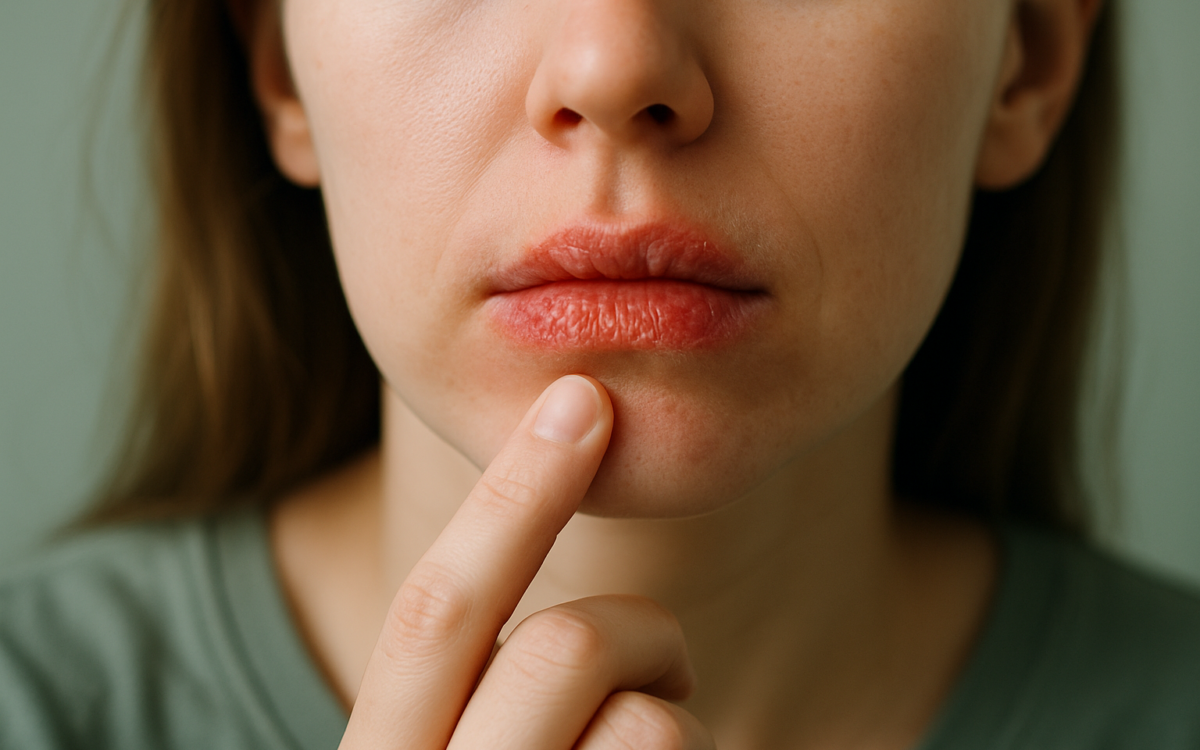
Eczema on the lips, while less common than other forms of eczema, can be both uncomfortable and distressing. Characterized by dry, itchy, and sometimes cracked skin, this condition can make daily activities like eating, smiling, and speaking challenging. Understanding the causes, symptoms, and management of this skin issue can help you find relief and better care for your lips.
What Is Eczema?
Eczema, or atopic dermatitis, is a chronic skin condition characterized by inflammation and irritation. It often presents as red, itchy patches on the skin and can occur on various body parts, including the lips. While the exact cause of eczema is not entirely understood, it is believed to result from a combination of genetic, immune, and environmental factors. In fact, the National Institutes of Health (NIH) notes that eczema is common in individuals with a family history of allergies or asthma (NIH).
Signs and Symptoms of Lip Eczema
The symptoms of eczema on the lips can vary from person to person. Some common signs include:
- Dryness: Lips may appear cracked and flaky.
- Itching: The affected area often feels itchy or irritated, leading to scratching.
- Redness and Inflammation: The skin may become red, swollen, or tender.
- Cracking and Bleeding: Severe cases may lead to deep cracks that can bleed.
These symptoms can be exacerbated by environmental factors, such as cold weather, dry air, or exposure to harsh soaps and allergens.
Causes of Eczema on the Lips
Several factors can contribute to the development of eczema on the lips:
- Allergens: Contact with allergens, like certain foods, cosmetics, or dental products, can trigger a reaction.
- Irritants: Harsh skin-care products, toothpastes, and even saliva can irritate the sensitive skin on the lips.
- Weather conditions: Extreme cold or heat can dry out the skin, leading to flare-ups.
- Underlying Skin Conditions: Individuals with a history of eczema in other areas of the body may be more prone to developing it on the lips.
Understanding these triggers can help manage and prevent flare-ups effectively.
Diagnosis of Lip Eczema
If you notice persistent symptoms of eczema on your lips, it’s advisable to consult a healthcare provider. Diagnosis typically involves a physical examination and a discussion of your symptoms and potential triggers. In some cases, a dermatologist may conduct tests to rule out other skin conditions, such as contact dermatitis or herpes simplex infection. The clarity provided by a professional could significantly improve your management strategy.
Treatment Options for Eczema on the Lips
While there’s no cure for eczema, various treatments can help manage and alleviate symptoms:
- Moisturizers: Applying thick, emollient creams or ointments regularly can help lock in moisture and protect the skin barrier.
- Topical Corticosteroids: These creams can reduce inflammation and relieve itching. It’s essential to use them under a doctor’s guidance to avoid thinning skin.
- Antihistamines: For severe itching, oral antihistamines may be helpful.
- Phototherapy: In some cases, light therapy may be recommended to help reduce eczema flare-ups.
- Avoiding Triggers: Identifying and avoiding allergens or irritants is crucial. Keeping a diary of flare-ups can help pin down what aggravates your condition.
Some individuals also find relief with natural remedies, although these should be discussed with a healthcare provider. Always consult with a doctor before starting any new treatment.
Home Remedies and Lifestyle Changes
In addition to medical treatments, several lifestyle changes and home remedies can assist in managing eczema on the lips:
- Stay Hydrated: Drinking adequate water helps maintain skin hydration.
- Use a Humidifier: Maintaining humidity in your home can prevent the skin from drying out.
- Gentle Skin Care: Use mild soaps and avoid products with fragrances or alcohol, which can irritate the skin.
- Avoid Lip Licking: Although it may seem soothing, licking your lips can lead to further dryness and irritation.
- Sun Protection: Use a lip balm with SPF to protect against sun exposure, which can worsen eczema.
These simple changes might help soothe your symptoms and improve your quality of life.
When to See a Doctor
If you experience significant discomfort, your eczema worsens, or home remedies do not help, it’s essential to consult a healthcare provider. Signs that you should seek immediate medical attention include:
- Severe swelling or pain on your lips.
- Signs of an infection, such as pus or increased redness.
- Flare-ups that do not respond to over-the-counter treatments.
Working with a healthcare professional can help you explore more aggressive treatments if needed.
In conclusion, while eczema on the lips can be a challenging condition, understanding its causes and effective management strategies can provide relief. Maintaining proper lip care and avoiding known triggers can help manage symptoms and improve your quality of life. If symptoms persist, don’t hesitate to reach out to a healthcare professional for guidance.
