
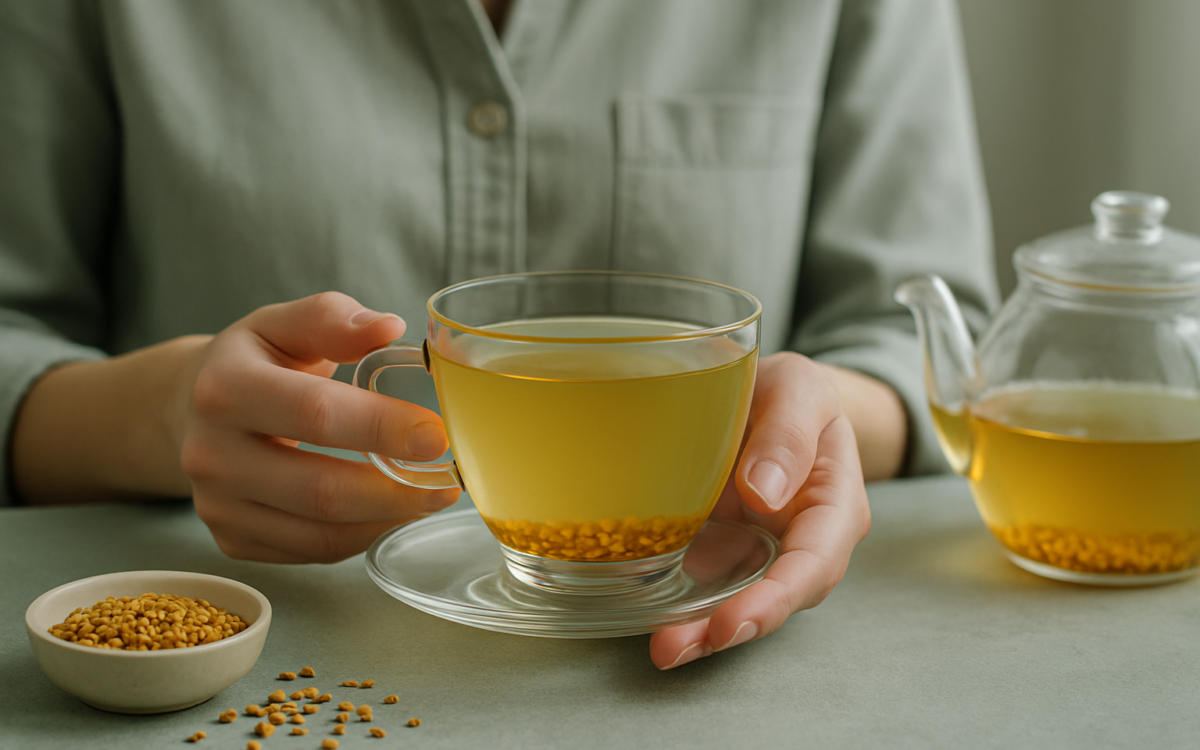
Fenugreek tea is gaining popularity as a delightful herbal brew that also offers a range of potential health benefits. Derived from the seeds of the fenugreek plant (Trigonella foenum-graecum), this tea has been used for centuries in various cultures for its medicinal properties. In addition to its rich flavor, fenugreek tea may provide support for digestion, blood sugar levels, and more. Let’s delve into what makes this tea so special and how you can incorporate it into your daily routine.
What is fenugreek?
Fenugreek is a herb native to the Mediterranean region, Western Asia, and North Africa. Known for its distinct aroma and slightly bitter taste, the seeds of the fenugreek plant are commonly used in cooking and traditional medicine. Fenugreek is a staple in many cuisines, particularly in Indian and Middle Eastern dishes.
Beyond its culinary uses, fenugreek is rich in essential nutrients, including fiber, vitamins, and minerals. These qualities contribute to its reputation as a natural remedy for various health issues, leading to the rise of fenugreek tea as a popular beverage among health-conscious individuals.
Health benefits of fenugreek tea
While scientific research on fenugreek tea is still emerging, several studies highlight the potential health benefits associated with its consumption:
1. Blood sugar regulation
Some studies suggest that fenugreek may aid in blood sugar control, making it potentially beneficial for individuals with diabetes. Research published in the American Journal of Clinical Nutrition indicates that fenugreek seeds can improve insulin sensitivity and help manage blood glucose levels.
2. Digestive health
Fenugreek has been traditionally used to support digestive issues such as bloating and constipation. The high fiber content in fenugreek seeds may help promote regular bowel movements and improve overall gut health.
3. Anti-inflammatory properties
Fenugreek possesses anti-inflammatory properties, which can be beneficial for individuals dealing with inflammatory conditions. Some studies suggest that the antioxidants found in fenugreek may help reduce inflammation in the body.
4. Supporting lactation
Fenugreek has been used as a galactagogue, a substance believed to increase milk supply in breastfeeding women. Some research indicates that fenugreek may positively affect milk production, making it a popular choice among nursing mothers.
How to brew fenugreek tea
Brewing fenugreek tea at home is a simple process that allows you to enjoy its potential benefits. Here’s how to make it:
Ingredients
- 1-2 teaspoons of fenugreek seeds
- 1 cup of water
- Honey or lemon (optional, for flavor)
Instructions
- Begin by rinsing the fenugreek seeds under cold water.
- In a small saucepan, bring the water to a boil.
- Add the rinsed fenugreek seeds to the boiling water.
- Reduce the heat and let the tea simmer for about 5-10 minutes, depending on your taste preference.
- Strain the tea into a cup and add honey or lemon if desired.
- Enjoy your warm cup of fenugreek tea!
Precautions and potential side effects
While fenugreek tea is generally safe for most people, it is essential to be aware of potential side effects. Some individuals may experience allergic reactions, particularly those with a sensitivity to legumes. Common side effects can include:
- Diarrhea
- Nausea
- Bloating and gas
It’s also worth noting that fenugreek can interact with certain medications, such as blood thinners and diabetes medications. Therefore, consult your healthcare provider before adding fenugreek tea to your routine, especially if you are pregnant, nursing, or taking any medications.
When to see a doctor
If you have any concerns about your health or experience adverse reactions after consuming fenugreek tea, it’s essential to consult your healthcare provider. Additionally, if you have underlying health conditions or are taking medications, a doctor can help determine if fenugreek tea is suitable for you.
Conclusion
Fenugreek tea is a flavorful and potentially beneficial addition to your wellness routine. With its rich history and emerging scientific evidence supporting its health benefits, it’s worth considering if you’re looking for natural ways to promote well-being. Just remember to drink it mindfully, paying attention to your body’s responses and consulting with a healthcare professional when necessary. Enjoy the comforting warmth of fenugreek tea while exploring its potential health benefits!
