
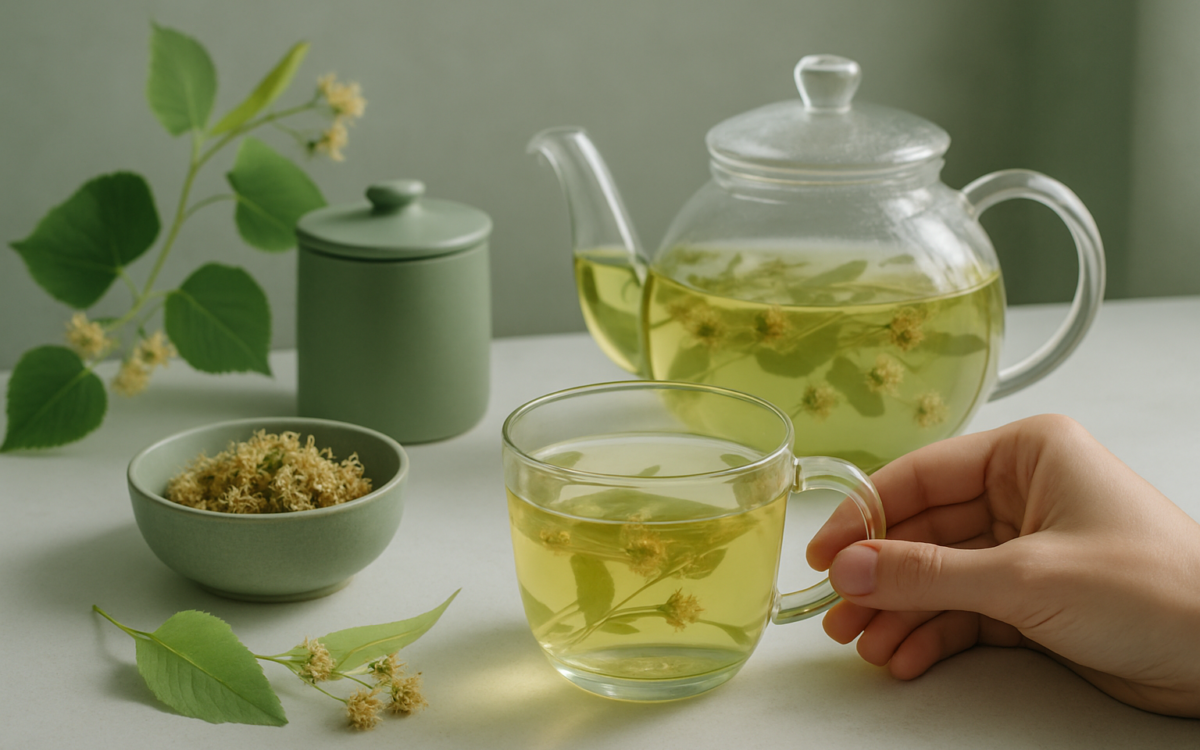
Linden tea, made from the flowers and leaves of the linden tree, has been cherished for centuries for its calming properties. Whether you’re seeking a moment of relaxation after a hectic day or looking for a natural remedy to help you sleep, linden tea might just be the soothing beverage you need. With its mild flavor and array of health benefits, this herbal tea is garnering attention in wellness circles and ordinary kitchens alike.
What Is Linden Tea?
Linden tea is crafted from the blossoms and leaves of the Tilia tree, commonly known as the linden or lime tree. This tree, native to Europe and North America, grows in temperate regions and produces fragrant, pale yellow flowers in late spring and early summer. These flowers are known for their delicate aroma and flavor, making linden tea not just a health tonic but also a delightful drink.
Health Benefits of Linden Tea
Linden tea is packed with potential health benefits, making it a popular herbal choice for many. Here are some of the most notable advantages associated with this herbal infusion:
1. Promotes Relaxation and Sleep
One of the most widely recognized uses of linden tea is its calming effect. Many people turn to linden tea to help alleviate anxiety and promote better sleep. The flowers contain flavonoids, which may have mild sedative properties. A cup of linden tea before bedtime can be a gentle way to unwind and prepare for a restful night.
2. Supports Digestive Health
Linden tea may aid digestion, thanks to its anti-inflammatory and soothing properties. Some people find that it helps alleviate digestive discomfort, such as bloating or gas. The tea has traditionally been used in folk medicine to support gastrointestinal health, and it may also help stimulate appetite.
3. Relieves Cold and Flu Symptoms
If you’re battling a cold or the flu, linden tea may offer some relief. It is often used to treat symptoms like fever and congestion. The tea is believed to induce sweating, which can help manage fever. Additionally, linden tea’s soothing properties can alleviate sore throats and ease coughing.
4. Anti-Inflammatory and Antioxidant Properties
Rich in antioxidants, linden tea may help reduce inflammation in the body. Antioxidants are substances that fight free radicals—unstable molecules that can cause cellular damage. By consuming linden tea, you might potentially lower your risk of chronic diseases related to inflammation, such as heart disease.
5. Could Support Heart Health
There is some evidence that linden tea may contribute to heart health. The flavonoids present in the tea can help improve blood circulation and lower blood pressure. However, more extensive research is necessary to confirm these potential benefits fully. It’s essential to incorporate linden tea as part of a balanced lifestyle that supports cardiovascular health.
How to Prepare Linden Tea
Making linden tea is a breeze, whether you’re using dried linden flowers or pre-packaged tea bags. Here’s a simple recipe to brew a perfect cup:
- Ingredients: 1-2 teaspoons of dried linden flowers (or one tea bag), 1 cup of hot water, honey or lemon (optional).
- Preparation:
- Boil water in a kettle or pot.
- Place linden flowers in a teacup or teapot.
- Pour the hot water over the flowers and let steep for 10-15 minutes.
- Strain the tea (if using loose flowers) and enjoy it hot. Add honey or lemon for extra flavor, if desired.
How Much Linden Tea Can You Drink?
While linden tea is generally safe for most people, moderation is key. It’s advisable to start with one cup per day to see how your body responds. Most sources suggest that consuming 2-3 cups per day is safe for adults. However, pregnant or breastfeeding women and individuals on certain medications should consult their healthcare provider before adding linden tea to their routine due to its potential effects on the body.
Potential Side Effects and Precautions
While linden tea is typically well-tolerated, some individuals may experience side effects. These can include:
- Allergic reactions: Some people may be allergic to linden flowers or related plants.
- Drowsiness: Due to its sedative properties, it can make you feel sleepy, especially if combined with other sedatives.
- Possible interaction with medications: Linden tea can interact with certain medications, particularly those affecting blood pressure or sedatives. Always consult with a healthcare professional before starting new herbal remedies.
When to See a Doctor
If you experience any severe reactions after consuming linden tea, such as difficulty breathing or severe skin irritation, it’s important to seek medical attention right away. Additionally, if you have underlying health conditions or are pregnant, talking to a healthcare provider before adding linden tea to your diet is advisable.
While linden tea can be a delightful and soothing drink, it’s essential to approach it thoughtfully. Known for its relaxing qualities and health benefits, linden tea is a gentle reminder of nature’s ability to help us unwind and care for our bodies. Enjoy the aroma and flavor, and let it support your wellness journey.
