
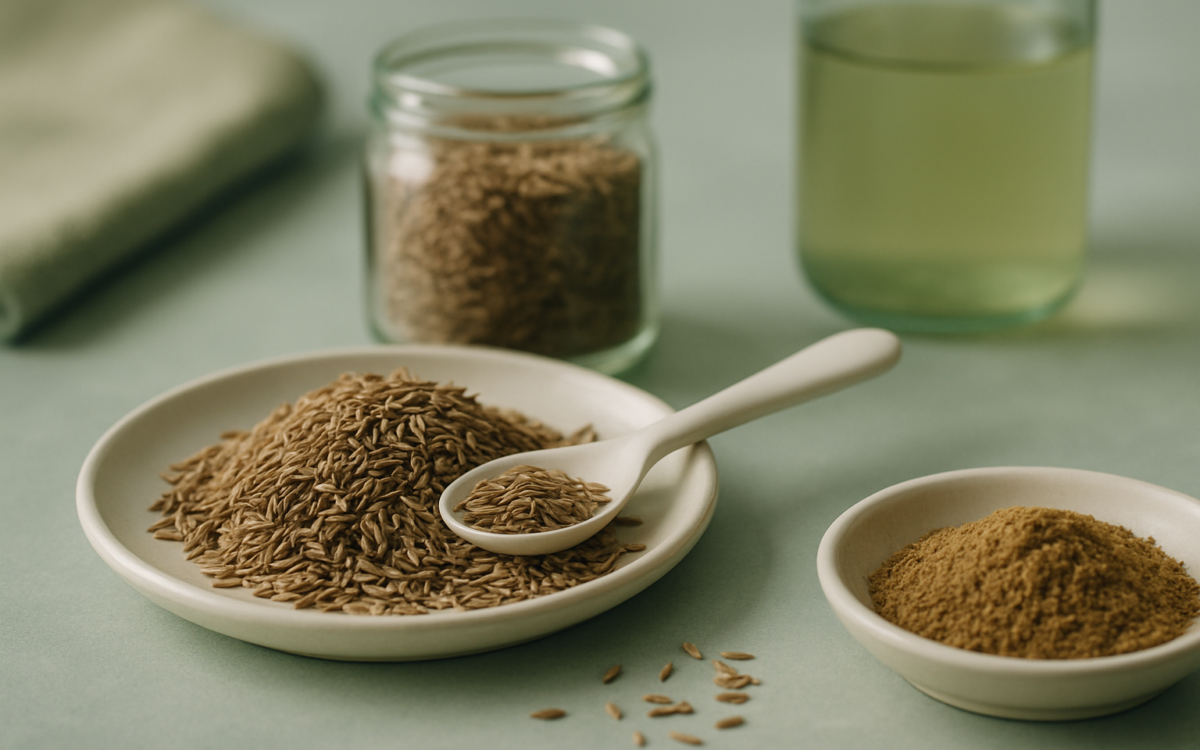
Cumin seed, also known as jeera, is more than just a popular spice found in kitchens around the world. With its warm, earthy flavor and numerous health benefits, jeera is a staple in many culinary traditions, especially in Indian, Middle Eastern, and North African cuisines. This humble seed has been used for centuries not just for its taste but also for its medicinal properties, making it a fascinating subject of study for health enthusiasts and cooks alike.
What Are Cumin Seeds?
Cumin seeds are the dried fruits of the Cuminum cyminum plant, a member of the parsley family. They are small, elongated, and ridged, usually appearing in a pale brown or yellow-brown color. The flavor of cumin is bold and warm with a slight hint of spice, which makes it a popular ingredient in various dishes, from curries to stews. The seeds can be used whole or ground into a powder, each form offering a unique taste to food.
Nutritional Profile of Cumin Seeds
Cumin seeds are not only flavorful but also nutrient-rich. A tablespoon of cumin seeds contains:
- Calories: 22
- Protein: 1 gram
- Fat: 1 gram
- Carbohydrates: 3 grams
- Fiber: 1.4 grams
- Calcium: 18 mg
- Iron: 1.4 mg
- Magnesium: 6 mg
- Vitamin C: 0.5 mg
This nutrient profile indicates that cumin seeds may be beneficial for digestion, immune support, and maintaining overall health. They’re particularly high in iron, which is essential for producing red blood cells.
Health Benefits of Cumin Seeds
Scientific studies have highlighted multiple health benefits of cumin seeds:
Digestive Health
Cumin seeds have long been used in traditional medicine for their effects on digestion. They can stimulate the production of digestive enzymes, which may help reduce bloating and gas. Research published by the National Institutes of Health suggests that cumin may assist in improving overall digestive health.
Antioxidant Properties
One of the standout features of cumin is its high antioxidant content. Antioxidants help combat oxidative stress in the body, reducing the risk of chronic diseases. This protective effect is attributed to compounds like flavonoids and phenolic acid found in cumin.
Anti-Inflammatory Effects
Cumin seeds also possess anti-inflammatory properties. Chronic inflammation is linked to various health issues, including heart disease and diabetes. Incorporating cumin into your diet may contribute to a reduction in inflammation levels in the body.
Enhancing Metabolism
Some research suggests that cumin may play a beneficial role in boosting metabolism. A study found that participants who consumed cumin experienced increased fat loss compared to those who did not include cumin in their diets. This can be particularly beneficial for those looking to manage their weight.
Using Cumin Seeds in Your Cooking
Adding cumin seed (jeera) to your meals is easy and delicious. Here are some simple ways to incorporate it into your cooking:
- Seasoning and Spices: Add cumin seeds to spice blends like garam masala, curry powders, or taco seasoning for an extra layer of flavor.
- Soups and Stews: Toss cumin seeds into soups, stews, and gravies for a warm, aromatic flavor.
- Roasted Vegetables: Sprinkle cumin seeds on roasted vegetables to enhance their taste. It pairs well with potatoes and carrots.
- Salads: Toast cumin seeds lightly and add them to salads for a delightful crunch and nutty flavor.
- Baking: Include ground cumin in bread making for a unique taste experience.
When using cumin seeds, you can either add them whole or grind them for a finer flavor. Toasting the seeds in a dry pan before use can intensify their aroma and flavor.
The Global Perspective: Cumin in Medicine
In various cultures, cumin seeds are not just culinary ingredients but are also valued for their medicinal properties. For instance, Ayurvedic medicine has employed cumin for digestive issues, while Middle Eastern traditions use it to treat respiratory ailments. These diverse uses reflect the global appreciation of cumin’s health benefits.
For individuals seeking health advice, it may be beneficial to explore international perspectives on cumin and its applications in treatments. Institutions like international patient services can provide insights into dietary adjustments across different cultures and their health implications.
When to See a Doctor
While cumin seeds offer numerous health benefits, it’s essential to remember that not all health issues can be resolved through dietary changes alone. If you experience persistent digestive discomfort, significant changes in appetite, or other unexplained health issues, it’s crucial to consult with a healthcare professional. They can help determine the right approach for your specific health needs.
Cumin seeds can be an exciting and healthful addition to your diet. Their rich flavors not only enhance meals but also offer potential health benefits that have captured the attention of researchers and health advocates alike. Incorporating cumin into your cooking can be an easy way to enjoy its nutrition while exploring new culinary possibilities.
