
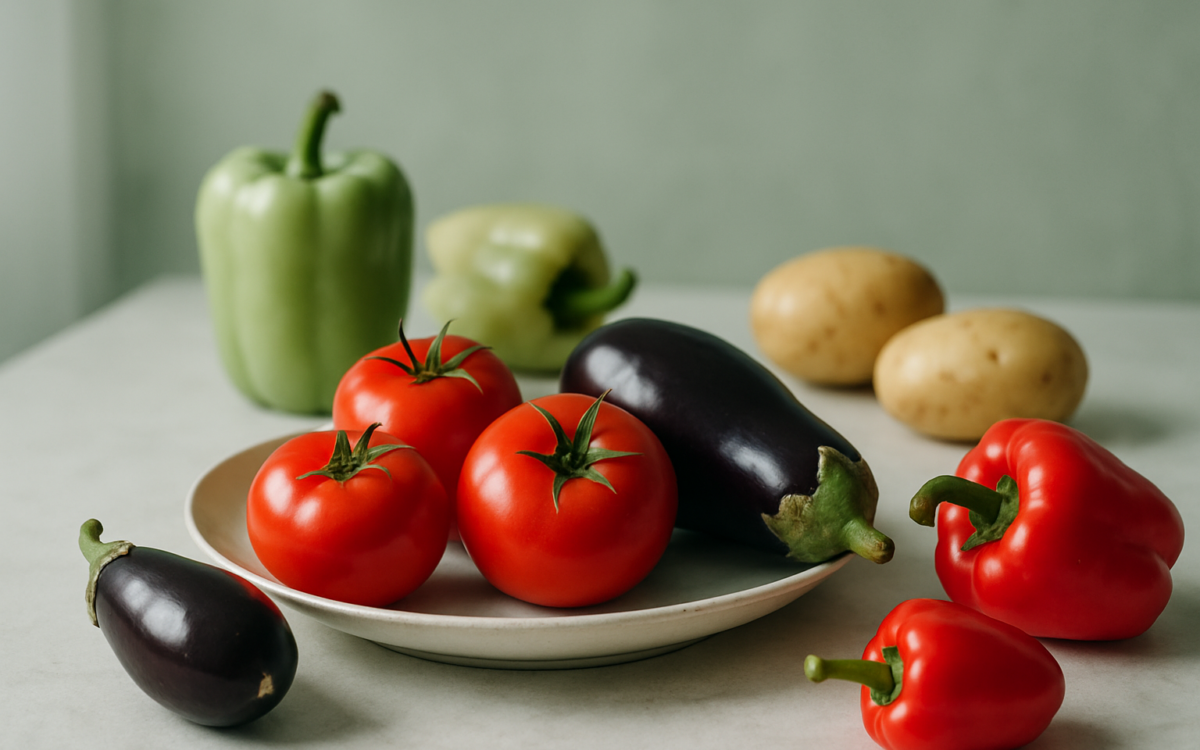
Have you ever noticed that some vegetables look similar but come with a big question mark about whether they’re good for you? One group of plants that often raises eyebrows is nightshade foods. While not harmful to everyone, they can spark debates about health effects, especially for those with certain sensitivities. In this article, we’ll explore what nightshade foods are, their health benefits, and why some people choose to avoid them.
What Are Nightshade Foods?
Nightshade foods belong to the Solanaceae family of plants, which includes a variety of vegetables and fruits. Common nightshade foods include:
- Tomatoes
- Potatoes (not sweet potatoes)
- Eggplants
- Bell peppers
- Chili peppers
These foods are rich in vitamins, minerals, and antioxidants, making them a nutritious part of many diets. However, their classification as nightshades can make some people hesitant to include them in their meals.
Health Benefits of Nightshade Foods
Despite the concerns surrounding nightshade foods, they offer various health benefits:
Nutrient Rich
Nightshade vegetables are packed with essential nutrients. For example, tomatoes are high in vitamin C and potassium, while eggplants contain fiber and antioxidants like nasunin, which may help protect brain cells. (NLM)
Antioxidants and Anti-Inflammatory Properties
Some nightshade foods, particularly tomatoes and peppers, are rich in antioxidants such as lycopene and vitamin E. These compounds help combat oxidative stress in the body, which can reduce the risk of chronic diseases and inflammation. (NLM)
Are Nightshade Foods Harmful?
For most people, nightshade foods are safe and healthy. However, some individuals may experience adverse effects due to sensitivities or allergies. Here are a few concerns:
Potential Allergies and Sensitivities
Some people have food sensitivities or allergies to nightshade foods. Symptoms may include digestive issues, skin irritations, or inflammatory responses. If you suspect that nightshade foods are causing problems, consider an elimination diet under the guidance of a healthcare professional.
Solanine and Alkaloids
Certain nightshade plants, particularly those in the potato family, contain compounds called solanine and alkaloids. While the levels in most edible nightshade foods are generally safe, consuming green or sprouted potatoes can pose a risk. Always store potatoes in a cool, dark place and discard any that are green or have started to sprout to minimize the risk of solanine exposure.
Nightshade Foods and Inflammatory Conditions
A popular topic surrounding nightshade foods involves their association with inflammation. Some anecdotal evidence suggests that they might exacerbate symptoms for individuals with conditions like arthritis. However, scientific research on this matter remains limited.
Current Research Trends
While some people report relief from symptoms of inflammatory conditions after eliminating nightshades, rigorous studies have not definitively proven that nightshades increase inflammation universally. (NLM) A balanced diet should be the focus, and any elimination should be tailored to individual experiences.
How to Incorporate Nightshade Foods into Your Diet
If you enjoy nightshade foods and don’t experience adverse reactions, incorporating them into a balanced diet can be beneficial. Here are some ideas:
- Roasted Vegetables: Toss eggplant, bell peppers, and potatoes with olive oil, herbs, and spices for a delicious side dish.
- Fresh Salsas: Use tomatoes and chili peppers to create vibrant homemade salsas or sauces.
- Grilled Dishes: Marinate peppers and eggplants and grill then for a smoky flavor that enhances your salad or sandwich.
Always aim for variety in your diet. Pair nightshade foods with other vegetables, whole grains, lean proteins, and healthy fats to ensure you’re getting a wide range of nutrients.
When to See a Doctor
If you suspect that nightshade foods are causing you discomfort or worsening your symptoms, it’s a good idea to consult your doctor. They may suggest an elimination diet or refer you to a nutritionist to help identify the problem.
Conclusion
Nightshade foods can offer various health benefits and are a staple in many diets worldwide. While they do come with some potential concerns, especially for those with specific sensitivities, most people can enjoy them without issue. An individual approach is best; listen to your body and consult healthcare professionals when needed to maintain a well-balanced and nutritious diet. With the right knowledge, you can confidently incorporate these vibrant foods into your meals.
