
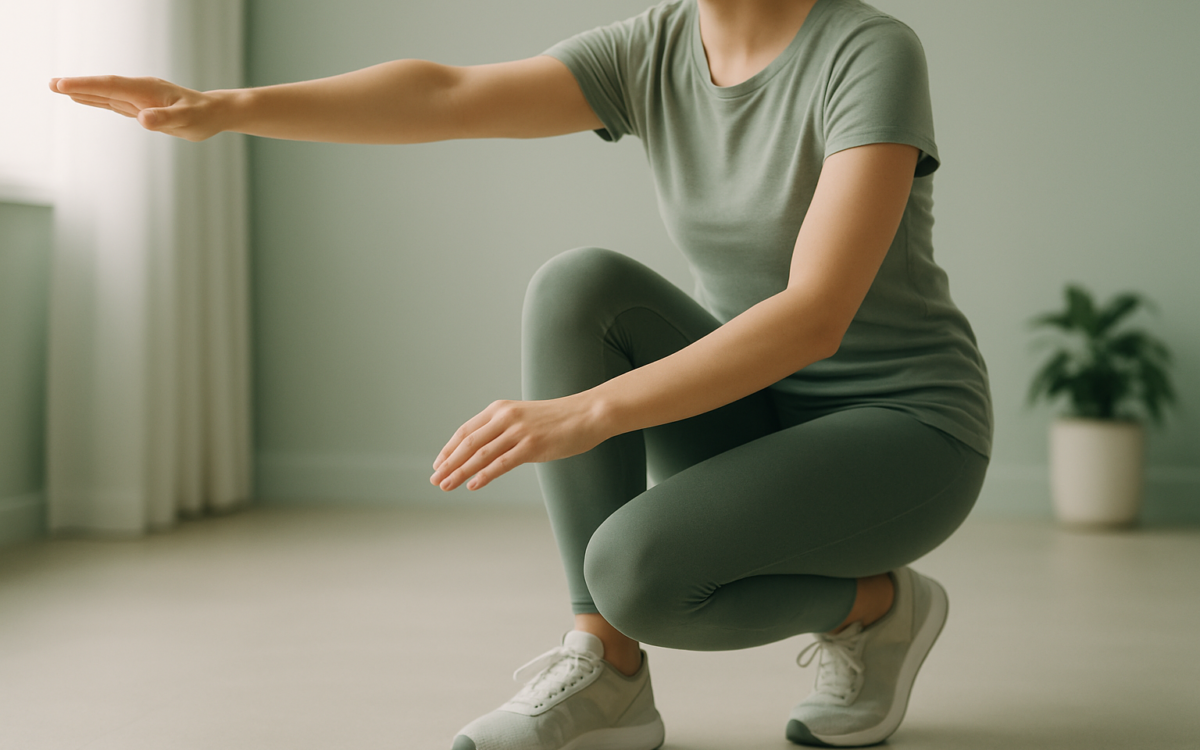
The single leg squat is an excellent exercise that challenges your overall strength, balance, and coordination. Unlike traditional squats, the single leg variation engages your core and stabilizing muscles, making it a functional movement that mirrors real-life activities. Whether you are an athlete aiming to improve performance or someone looking to enhance fitness, mastering the single leg squat can bring significant benefits.
Understanding the Single Leg Squat
The single leg squat is a bodyweight exercise that requires you to balance on one leg while squatting down. It’s a great foundational exercise for improving lower body strength and stability. This movement effectively targets various muscle groups, including the quadriceps, hamstrings, glutes, and calf muscles.
Benefits of Single Leg Squats
- Improves Balance and Coordination: Balancing on one leg forces your body to stabilize, enhancing your overall balance and coordination.
- Strengthens Lower Body: Single leg exercises engage your major lower body muscles and promote muscle symmetry.
- Enhances Core Strength: Maintaining balance during a squat activates your core muscles, leading to improved stability.
- Reduces Injury Risk: Strengthening stabilizing muscles can help prevent common injuries, especially for athletes.
How to Perform a Single Leg Squat
To execute a single leg squat correctly, follow these steps:
- Stand tall with your feet about hip-width apart. Shift your weight onto your right leg.
- Extend your left leg forward, keeping it slightly off the ground.
- Begin to squat down by bending your right knee, pushing your hips back while keeping a straight back.
- Lower your body as far as you can while maintaining balance. Aim to keep your knee in line with your toes.
- Push through your right heel to return to the starting position.
- Repeat for the desired number of repetitions, then switch legs.
Common Mistakes to Avoid
Many people struggle with the single leg squat and may inadvertently adopt poor form. Here are some common mistakes to watch out for:
- Leaning Forward: Ensure your torso remains upright throughout the movement. Leaning forward can lead to strain on your lower back.
- Letting the Knee Cave In: Keep your knee aligned with your toes. If it collapses inward, you may be overloading your leg.
- Not Going Low Enough: Aim to squat down at least to a parallel position. Landing too high can limit the benefits.
Progressions and Variations
Once you’ve mastered the basic single leg squat, you can try several progressions and variations to keep your workouts challenging:
- Assisted Single Leg Squat: Use a TRX strap or hold onto a sturdy object for support if you’re finding it tough.
- Weighted Single Leg Squat: Once you’re comfortable, hold a dumbbell or kettle bell in the opposite hand of your standing leg to increase difficulty.
- Box Single Leg Squat: Perform the single leg squat onto a box or bench. This helps control depth and adds stability.
- Pistol Squat: An advanced variation where you lower your body completely while extending the non-working leg out in front. This requires high levels of strength and balance.
Incorporating Single Leg Squats into Your Routine
To experience the benefits of single leg squats, aim to incorporate them into your regular workout routine. Start with two to three sets of 5-10 repetitions for each leg. As your strength and balance improve, you can gradually increase the number of repetitions and sets. Consider alternating weeks between single leg squats and traditional squats to balance training and allow for adequate recovery.
When to See a Doctor
If you experience persistent pain or discomfort in your knees, hips, or lower back while performing single leg squats, it may be wise to consult a healthcare professional. An examination can help determine if there are underlying issues or imbalances that need addressing. Additionally, if you’re recovering from an injury or have existing health conditions that affect your movement, discussing exercise modification with a doctor is a good idea. The National Institutes of Health offers resources for physical activity and related health conditions (NIH).
Conclusion
The single leg squat is a powerful exercise that not only builds lower body strength but also enhances balance and stability. By mastering this movement, you set yourself up for better performance in sports and daily activities alike. Remember to focus on maintaining proper form, start with progressions that suit your ability, and enjoy the journey of improving your fitness. As always, consult with a healthcare provider if you have any concerns about starting a new exercise regimen.
