
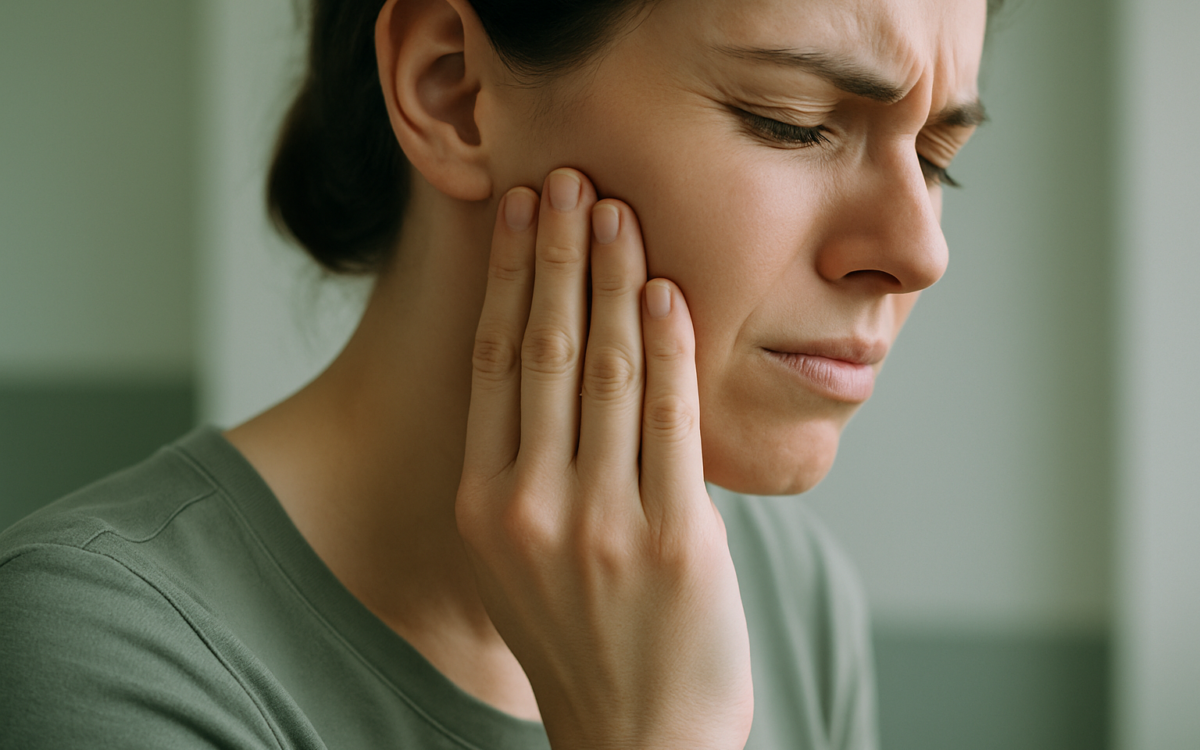
Experiencing pain on the right side of your jaw can be unsettling. Whether it’s a dull ache or sharp discomfort, understanding what might be causing this pain is important for finding relief. In this article, we’ll explore various causes of right side jaw pain, potential treatments, and when to seek medical help.
Common Causes of Right Side Jaw Pain
Right side jaw pain can stem from various sources. Knowing the root cause is crucial for treatment. Here are some common causes:
- TMD (Temporomandibular Disorder): TMD involves problems with the jaw joint and the muscles that control jaw movement. It can lead to pain on one or both sides of the jaw, often accompanied by clicking sounds during movement.
- Dental Issues: Problems such as cavities, tooth infections, or gum disease can cause localized pain. If the pain is associated with a specific tooth, a dental issue may be to blame.
- Jaw Injuries: Trauma or injury—like a sports-related accident or a fall—can cause pain in the jaw. This may include fractures or dislocation of the jaw.
- Sinus Problems: Inflammation of the sinuses can lead to referred pain in the jaw, especially the upper jaw. Sinus infections or sinusitis can cause discomfort on one side.
- Nerve Disorders: Conditions affecting the trigeminal nerve, which provides sensation to the face, can also manifest as jaw pain. Trigeminal neuralgia tends to cause severe, sharp pain.
Symptoms Accompanying Right Side Jaw Pain
Recognizing other symptoms that accompany your jaw pain can help pinpoint the underlying cause. Common symptoms include:
- Swelling: Inflammation or swelling around the jaw area.
- Difficulty Chewing: Pain while chewing or biting down.
- Clicking or Popping Sounds: Noises when moving the jaw can indicate TMD.
- Headaches: Frequent headaches may accompany jaw pain, especially with TMD.
- Ear Pain: Discomfort in the ear can also be related to jaw issues.
Home Remedies for Managing Jaw Pain
While seeking professional advice is essential, there are several home remedies you can try to alleviate mild to moderate pain:
- Warm or Cold Compress: Applying a warm cloth or an ice pack to the affected area can help reduce inflammation and alleviate pain.
- Over-the-Counter Pain Relievers: Nonsteroidal anti-inflammatory drugs (NSAIDs) like ibuprofen can help manage pain and reduce swelling.
- Gentle Jaw Exercises: Simple stretches and exercises, recommended by a healthcare provider, can help improve jaw mobility and reduce tension.
- Relaxation Techniques: Stress can contribute to jaw clenching. Techniques such as deep breathing or meditation can help reduce stress and relieve associated jaw pain.
When to Consult a Doctor
There are circumstances when it’s crucial to consult a doctor about your jaw pain. Seek medical advice if you experience:
- Severe, persistent pain that doesn’t improve with home remedies.
- Swelling or redness in the jaw area.
- Difficulty opening or closing your mouth.
- Pain accompanied by fever or ear discharge.
- Signs of a possible stroke, such as weakness on one side of the face or sudden confusion (call emergency services if this occurs).
Preventing Jaw Pain
Taking steps to prevent jaw pain can save you discomfort in the future. Here are some tips:
- Avoid Excessive Jaw Movement: Chewing gum or biting hard objects can strain the jaw. Try to limit these activities if you experience pain.
- Practice Good Posture: Poor posture can contribute to jaw pain, especially if it leads to tension in the neck and jaw area. Ensure your workstation is ergonomically set up.
- Manage Stress: Since stress can lead to teeth grinding (bruxism), finding ways to manage stress through exercise, hobbies, or therapy may help.
- Regular Dental Checkups: Routine dental visits can help identify and treat issues before they escalate into painful conditions.
Conclusion
Right side jaw pain can result from a variety of issues, from dental ailments to muscular disorders. Understanding the potential causes can empower you to seek appropriate treatment. While home remedies can provide relief for mild cases, don’t hesitate to consult a healthcare professional for persistent or severe pain. Your jaw health is an important aspect of your overall well-being.
