
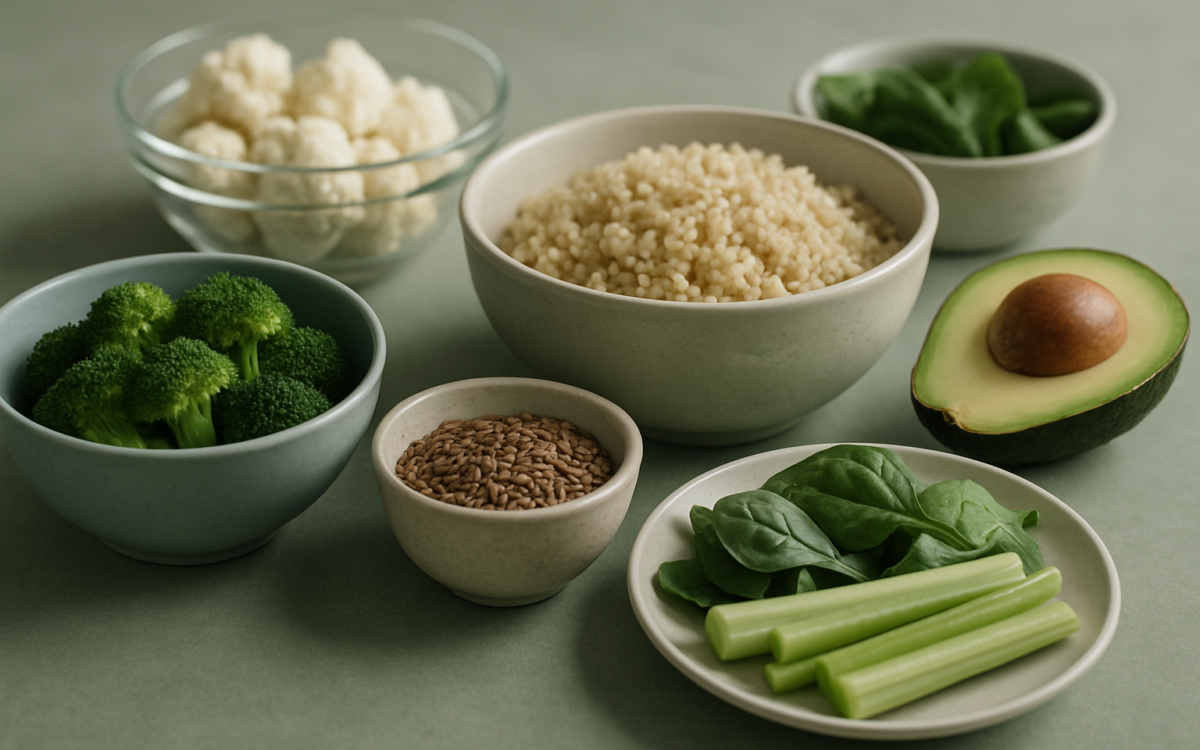
In today’s health-conscious world, balancing the right nutrients is key to maintaining a healthy lifestyle. For many, high fiber, low carb foods are a popular choice. They help manage weight, support digestive health, and can even help stabilize blood sugar levels. Understanding these foods can simplify meal planning and offer delicious options that align with health goals.
What Makes a Food High Fiber and Low Carb?
High fiber foods are those that contain a significant amount of dietary fiber, which is the part of plant-based foods that your body cannot digest. Fiber aids digestion, maintains bowel health, and can aid in weight management by making you feel full longer. On the other hand, low carb foods are those that contain fewer carbohydrates, which can be beneficial for regulating blood sugar and promoting fat burning.
A food is generally considered high fiber if it provides more than 5 grams of fiber per serving and low carb if it contains fewer than 15 grams of carbohydrates per serving. Foods combining both qualities can support a balanced diet that emphasizes whole, nutrient-rich options.
Benefits of High Fiber, Low Carb Foods
Eating a diet rich in high fiber, low carb foods can offer several health benefits:
- Weight Management: High fiber foods increase satiety, helping you feel full longer, which may make it easier to manage your weight.
- Improved Digestive Health: Fiber helps regulate bowel movements and promotes gut health by acting as a prebiotic that nourishes beneficial gut bacteria.
- Blood Sugar Control: Low carb foods can help reduce the spikes in blood sugar that can occur after eating, making them a good choice for individuals with diabetes.
- Heart Health: A high fiber diet has been linked to lower cholesterol levels and reduced risk of heart disease, according to research published by the National Institutes of Health.
Top High Fiber, Low Carb Foods to Include
When looking to incorporate more high fiber, low carb foods into your diet, consider the following options:
1. Vegetables
Non-starchy vegetables are typically low in carbohydrates and high in fiber. Here are some to consider:
- Broccoli: A powerhouse of nutrients, it provides approximately 2.4 grams of fiber per 100 grams and just 7 grams of carbs.
- Cauliflower: A versatile veggie that can be used to make rice or mashed alternatives, it contains about 2 grams of fiber and 5 grams of carbs per 100 grams.
- Spinach: Loaded with nutrients, spinach offers around 2.2 grams of fiber and only 3.6 grams of carbs per 100 grams.
2. Legumes
Legumes can be a bit higher in carbs but are still a great source of fiber. In moderation, they can fit well into a low-carb meal plan:
- Chickpeas: One cup provides about 12 grams of fiber and 45 grams of carbs. Enjoy in salads or as hummus.
- Lentils: Full of protein and fiber, lentils provide about 15.6 grams of fiber but also contain around 40 grams of carbs per one cup cooked.
3. Nuts and Seeds
Nuts and seeds are excellent sources of fiber and healthy fats while being relatively low in carbs:
- Chia Seeds: With approximately 34 grams of fiber per 100 grams but only 42 grams of carbs, they can be added to smoothies or yogurt.
- Flaxseeds: Containing about 27 grams of fiber and 29 grams of carbs per 100 grams, flaxseeds are good for baking or topping on cereals.
- Almonds: A great snack option, they have about 12 grams of fiber and 22 grams of carbs per 100 grams.
How to Incorporate High Fiber, Low Carb Foods into Your Diet
Here are some practical tips to help you include these beneficial foods into your meals:
- Start Your Day Right: Opt for a breakfast with chia seeds or ground flax in your smoothies or yogurt to kickstart your day with fiber.
- Snack Smart: Choose raw vegetables paired with hummus or homemade guacamole for a delicious and satisfying snack.
- Plan Your Meals: Incorporate a variety of high fiber vegetables into your lunch and dinner, such as salads with arugula, spinach, or shredded cabbage.
- Experiment with Legumes: Use lentils or chickpeas in soups, stews, or salads to enhance both fiber content and overall nutrition.
When to See a Doctor
If you experience persistent digestive issues, significant changes in bowel habits, or difficulty integrating fiber into your diet, it may be wise to consult with a healthcare professional. They can offer personalized advice based on your health needs.
Conclusion
Incorporating high fiber, low carb foods into your diet is not only beneficial for managing weight and supporting digestion but also for promoting overall health. With a variety of options available, from fresh vegetables to healthy nuts and legumes, you can enjoy delicious meals while making positive health choices. As always, consult with your healthcare provider before making significant changes to your diet.
