
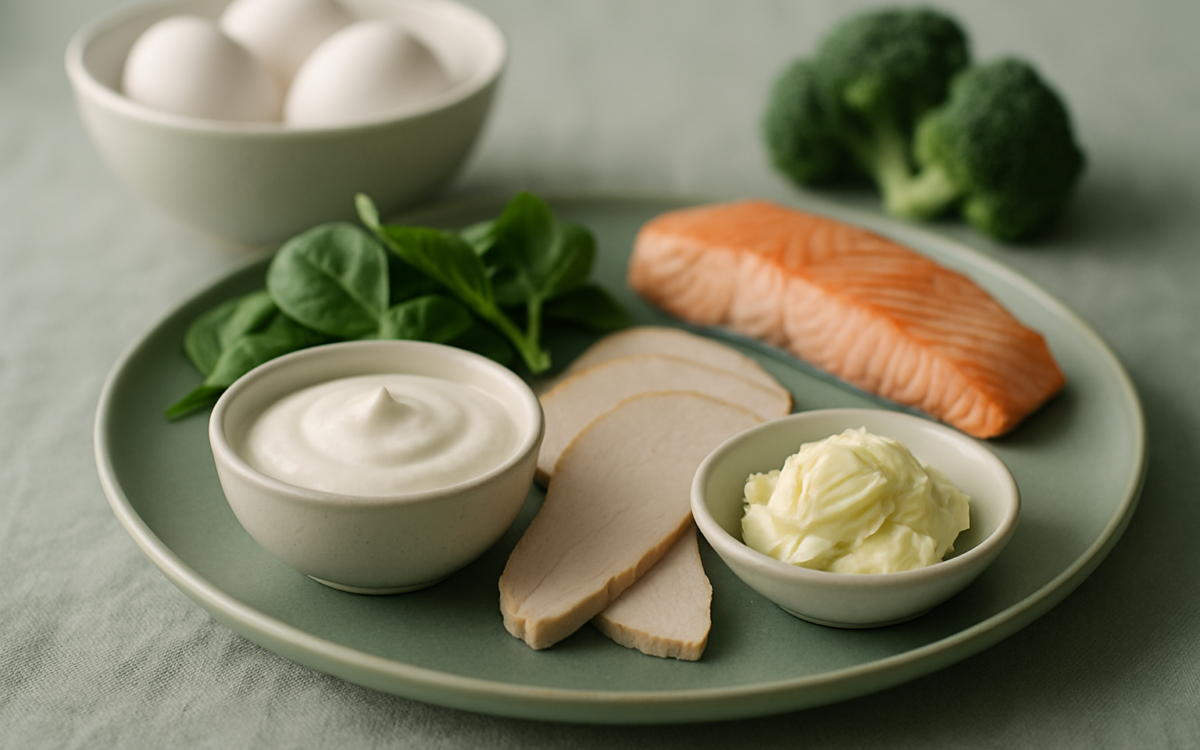
Zero carb foods are an exciting option for those exploring low-carb diets. These foods play a significant role in areas from managing weight to maintaining steady blood sugar levels. Whether you’re following a ketogenic plan or simply want to reduce your carbohydrate intake, knowing which foods fit the zero carb category can help you make informed choices.
What Are Zero Carb Foods?
Zero carb foods are those that contain little to no carbohydrates. Carbohydrates are found in many food groups, including grains, fruits, and starchy vegetables. By reducing or eliminating these foods, you may help your body burn fat as its main energy source. Common zero carb foods primarily include certain meats, fish, eggs, and select dairy products.
Why Consider Zero Carb Foods?
Incorporating zero carb foods into your diet can offer several benefits:
- Weight Management: Many people find that reducing carbohydrate intake helps with weight loss by promoting fat burning. Studies suggest that low-carb diets may help lower body weight and improve fat loss compared to higher-carb plans (NIH).
- Stabilized Blood Sugar Levels: Consuming fewer carbs can lead to more stable blood sugar levels, which can be particularly beneficial for individuals managing diabetes.
- Increased Energy Levels: With a diet higher in protein and fats, many individuals report enhanced energy without the crashes associated with high-carb foods.
Top Zero Carb Food Categories
When searching for zero carb foods, here are some categories to consider:
Meats
Unprocessed meats are excellent zero carb options. They are rich in protein and essential nutrients. Examples include:
- Beef
- Pork
- Lamb
- Turkey
Fish and Seafood
Fish and other seafood are inherently low in carbs. Options include:
- Salmon
- Tuna
- Sardines
- Shrimp
Eggs
Eggs are a versatile zero carb food packed with protein, vitamins, and healthy fats. They can be prepared in numerous ways, making them a staple in low-carb diets.
Dairy Products
While many dairy products contain some carbohydrates, specific selections are very low in carbs:
- Hard cheeses (like Parmesan or cheddar)
- Cream cheese
- Certain types of Greek yogurt (select unsweetened versions)
Cooking and Preparing Zero Carb Foods
Finding new ways to cook and prepare zero carb foods can make your meals exciting. Here are a few ideas:
- Grilling: Grilling meats and seafood adds flavor, and it’s a healthy cooking method.
- Stir-frying: Stir-frying vegetables with minimal carbs, like leafy greens and bell peppers, can make a delicious side dish.
- Baking: Making frittatas or egg muffins packed with cheese and vegetables delivers a nutritious, easy-to-eat option.
Spices, herbs, and healthy fats like olive oil or butter can enhance the flavors of your meals without adding carbs.
Combining Zero Carb Foods with Other Foods
Although focusing on zero carb foods can be beneficial, pairing them with healthy choices can round out your diet. Here are some options:
- Low-carb Vegetables: Leafy greens (spinach, kale), cauliflower, and zucchini are great additions.
- Nuts and Seeds: Almonds, chia seeds, and flaxseeds provide healthy fats and proteins.
- Healthy Fats: Incorporating sources like avocados and olive oil can enhance meals and provide necessary nutrients.
Meal Planning with Zero Carb Foods
Planning your meals with zero carb foods can save time, reduce impulsive eating, and ensure you stay on track with your dietary goals. Here’s how to create a sample meal plan:
- Breakfast: Scrambled eggs with cheese and spinach.
- Lunch: Grilled chicken salad with olive oil dressing.
- Dinner: Baked salmon with steamed broccoli.
- Snacks: Hard cheese, boiled eggs, or a handful of nuts.
By effectively planning, you can enjoy a variety of meals while keeping your carb intake at bay.
When to See a Doctor
Before making significant changes to your diet, it’s essential to consult your healthcare provider, especially if you have underlying health conditions. They can help ensure that your nutritional choices align with your health goals and needs.
To learn more about nutrition and dietary guidelines, you may consult resources from the World Health Organization or the Mayo Clinic.
In conclusion, zero carb foods can be a valuable component of a low-carb lifestyle. By exploring different food options and creative ways to prepare them, you can enjoy a satisfying and healthy diet while reaping the benefits of reduced carbohydrate intake.
