
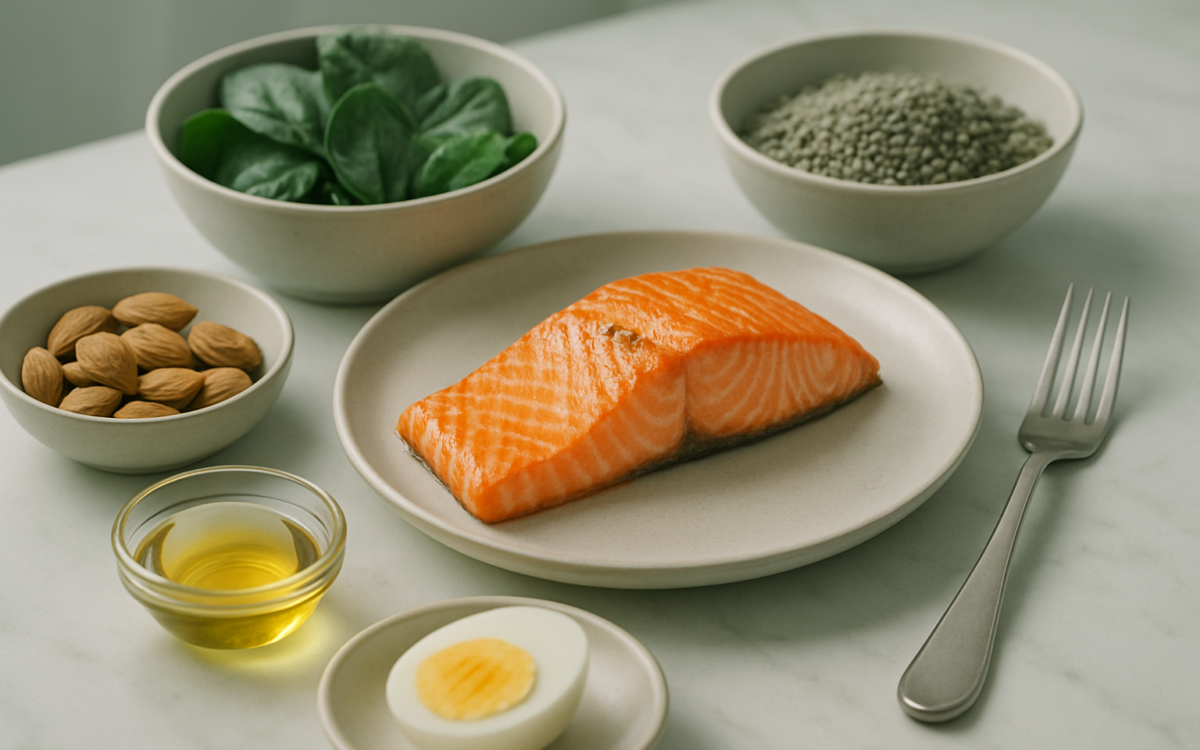
Salmon is more than just a delicious meal; it’s a nutritional superstar. With roots in various cuisines around the world, this fish is cherished not only for its rich flavor but also for its impressive health benefits. Whether enjoyed as a fillet, in sushi, or as smoked salmon, understanding the nutrition behind this fish can help you make informed dietary choices.
What Makes Salmon Nutritionally Unique?
Salmon stands out among other seafood for several reasons, especially its remarkable fat composition. Unlike many meats, salmon is rich in healthy fats, specifically omega-3 fatty acids. These essential fats are crucial for brain function and cardiovascular health. In addition to omega-3s, salmon is a complete source of protein, meaning it provides all essential amino acids your body needs.
The Omega-3 Fatty Acid Powerhouse
One of the key benefits of salmon is its high content of omega-3 fatty acids, particularly EPA (eicosapentaenoic acid) and DHA (docosahexaenoic acid). Research shows that these fatty acids can help reduce inflammation and lower the risk of chronic diseases such as heart disease and arthritis. According to the National Institutes of Health, diets rich in omega-3s can also positively impact mental health, potentially reducing symptoms of depression and anxiety.
Protein: Building Blocks of Health
The protein found in salmon is of high quality, providing about 22-25 grams per 3-ounce serving. This protein is vital for muscle repair and growth, making salmon a great choice for those who lead an active lifestyle. Additionally, adequate protein intake is important for maintaining a healthy weight, as it helps you feel fuller for longer periods.
Essential Vitamins and Minerals
Salmon is packed with important vitamins and minerals that contribute to overall health:
- Vitamin B12: Essential for nerve function and the production of DNA and red blood cells.
- Vitamin D: Important for bone health and immune function, with salmon being one of the few natural food sources of this vitamin.
- Selenium: A powerful antioxidant that helps protect the body from oxidative stress.
- Potassium: Vital for heart health and proper muscle function.
Incorporating salmon into your diet can be an excellent way to boost your intake of these vital nutrients.
How to Enjoy Salmon
Salmon can be prepared in numerous ways, making it a versatile ingredient in your meals:
- Grilling: A simple and flavorful method to enhance the natural taste of salmon.
- Baking: Try baking with herbs and spices for a healthy meal.
- Smoking: Smoked salmon is a popular choice for salads and sandwiches.
- Sushi: Raw or lightly seared salmon is a staple for sushi lovers.
When purchasing salmon, consider looking for wild-caught options, which tend to be higher in omega-3s and lower in contaminants than farmed varieties.
Potential Risks and Considerations
While salmon is a nutritious choice, there are some considerations to keep in mind:
- Contaminants: Some salmon, especially farmed varieties, may contain higher levels of contaminants like mercury. It’s advisable to consume fish in moderation and vary your seafood choices.
- Allergies: As with any fish, some individuals may have allergies to salmon. If you suspect a seafood allergy, consult a healthcare professional.
- Cholesterol: While salmon is a heart-healthy option, it still contains cholesterol. Those managing cholesterol levels should discuss their protein choices with their doctor.
When to See a Doctor
If you experience any adverse reactions after consuming salmon, such as allergic reactions or gastrointestinal distress, it’s important to consult a healthcare provider. Additionally, if you have specific dietary concerns, such as elevated cholesterol or mercury exposure, discussing your diet with a healthcare professional can provide tailored advice.
In conclusion, salmon is not just a tasty meal; it’s a nutritional powerhouse packed with vital nutrients, from omega-3 fatty acids to high-quality protein. Incorporating salmon into your diet can lead to numerous health benefits, while also offering a variety of delicious cooking experiences. Remember to enjoy it in moderation, and consider the source of your salmon to maximize its health benefits.
