
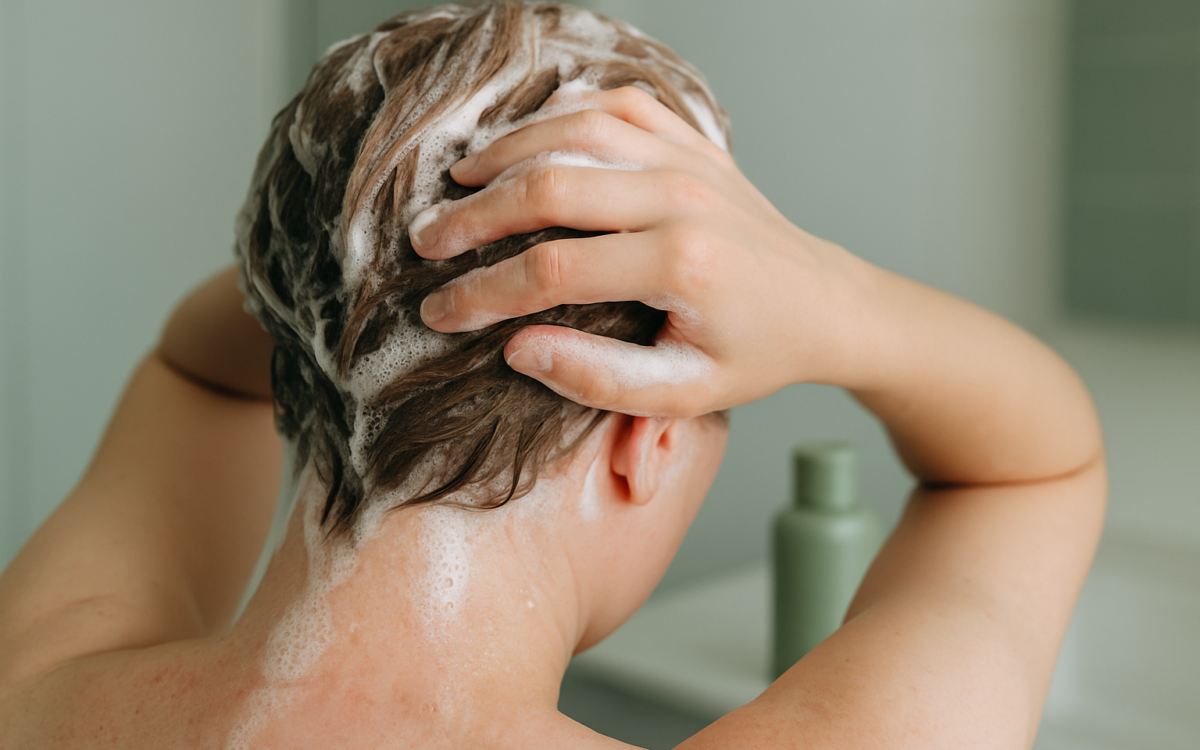
Seborrheic dermatitis is a common skin condition that can lead to uncomfortable symptoms, such as redness, flakiness, and itching, particularly on the scalp. While it can be frustrating to deal with, many people find relief through the use of specifically formulated shampoos. In this article, we’ll explore the various types of seborrheic dermatitis shampoos available, their active ingredients, how to use them effectively, and when to consult a healthcare professional.
What is Seborrheic Dermatitis?
Seborrheic dermatitis is a skin condition characterized by inflamed, flaky patches typically found on oily areas of the body, such as the face, nose, behind the ears, and the scalp. It is often confused with dandruff, but the two conditions are not the same. While seborrheic dermatitis can cause dandruff, it has additional symptoms that may include redness and greasy scales. The exact cause of seborrheic dermatitis is not fully understood, but it is believed to be linked to an overgrowth of yeast, hormonal changes, and individual skin types. For more detailed information, you can refer to resources from the NIH.
Types of Seborrheic Dermatitis Shampoo
Various types of shampoos are specifically designed to help manage seborrheic dermatitis. These fall into a few common categories:
- Ketoconazole shampoos: These contain an antifungal agent that helps reduce the overgrowth of yeast on the scalp, which can be a contributing factor to seborrheic dermatitis.
- Selenium sulfide shampoos: This ingredient helps reduce fungus and can alleviate itching and flaking. It also works to slow skin cell production.
- Coal tar shampoos: Coal tar can help reduce inflammation and scaling, although it may have a strong smell and can stain light-colored hair.
- Zinc pyrithione shampoos: Known for their antibacterial and antifungal properties, these shampoos can help reduce itchiness and fight flakiness.
- Salicylic acid shampoos: Salicylic acid aids in the shedding of dead skin cells and helps to prevent the buildup of scales.
Understanding Active Ingredients
When choosing a seborrheic dermatitis shampoo, it’s important to be aware of its active ingredients, as each serves a different purpose:
- Ketoconazole is effective for fungal control and can help reduce inflammation.
- Selenium sulfide works by decelerating skin cell production, reducing greasiness and flaking.
- Coal tar possesses anti-inflammatory and anti-itch properties, though users should patch-test for any potential skin irritation.
- Zinc pyrithione combats both bacteria and fungus, making it a great option for reducing symptoms.
- Salicylic acid can penetrate the scalp to help reduce clogging and promote the shedding of dead skin.
Proper Use of Seborrheic Dermatitis Shampoo
Using seborrheic dermatitis shampoo properly can enhance its effectiveness. Here are some helpful tips for maximizing results:
- Read the instructions: Different shampoos may have specific timeframes for how long they should remain on the scalp before rinsing, typically between 5 to 10 minutes.
- Frequency of use: It may be beneficial to use the shampoo a few times a week, depending on the severity of your symptoms. Once symptoms improve, gradually reduce usage.
- Follow with conditioner: Many medicated shampoos may be drying, so consider using a gentle conditioner afterward to maintain scalp moisture.
- Consistency is key: Regular use can prevent flare-ups and keep symptoms at bay.
Potential Side Effects
While most seborrheic dermatitis shampoos are safe for regular use, some individuals may experience side effects. Common side effects can include:
- Skin irritation or a burning sensation, particularly in sensitive skin.
- Dryness, leading to increased scalp flaking.
- Unpleasant odor, particularly with coal tar shampoos.
If you experience any severe or persistent side effects, it’s important to consult with a healthcare professional.
When to See a Doctor
If you have tried over-the-counter scalp treatments and have not seen improvement in your symptoms within a few weeks, or if your symptoms are worsening, it may be time to consult a doctor. Other reasons to seek professional help include:
- Severe itching that prevents you from sleeping or engaging in daily activities.
- Widespread patches that are not limited to your scalp.
- Signs of infection, such as increased redness, swelling, or pus.
Healthcare professionals can recommend stronger treatments or investigate other underlying conditions that may be contributing to your symptoms.
Conclusion
Seborrheic dermatitis can be a manageable condition with the right approach. Using a specifically formulated seborrheic dermatitis shampoo can significantly help reduce symptoms and improve your overall scalp health. Familiarize yourself with the various options available and consult your healthcare provider for guidance on the best treatments for your individual needs. Remember, achieving healthy skin is a journey — with patience and the right tools, relief is possible.
