
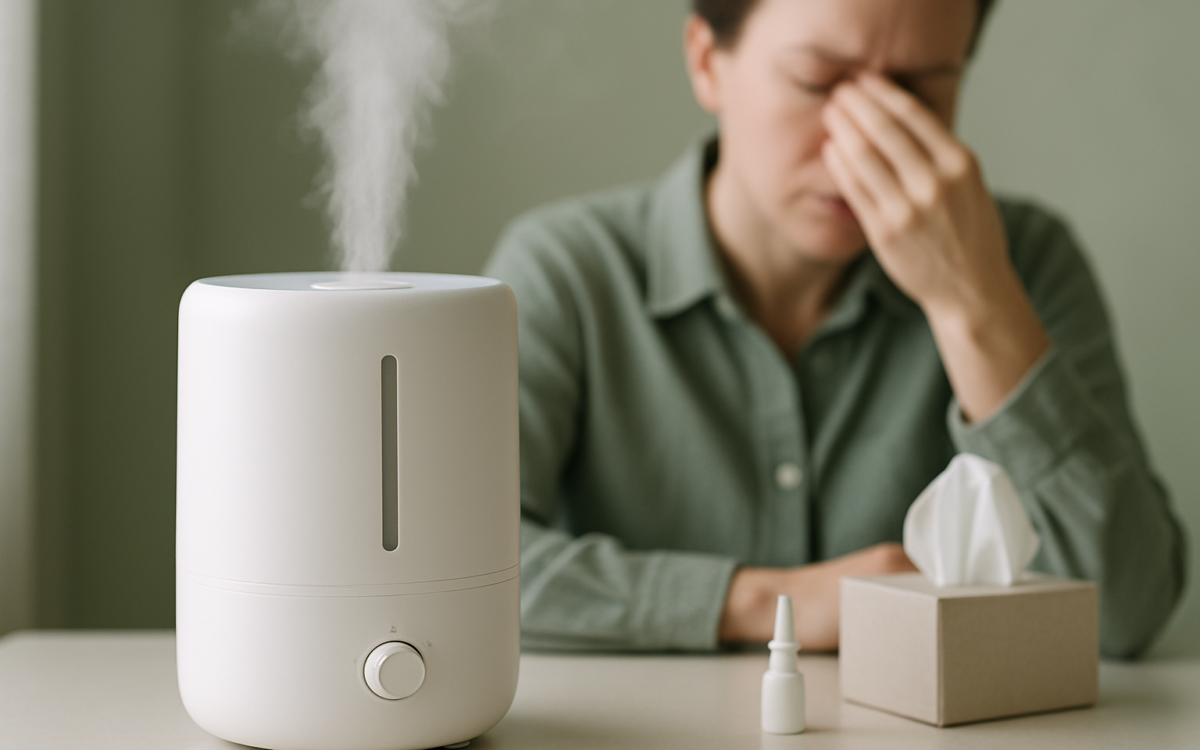
Sinus infections, also known as sinusitis, can be uncomfortable and frustrating. Symptoms like nasal congestion, facial pain, and headaches can disrupt daily life. One potential remedy that many people turn to is the use of a humidifier. This article delves into the connection between humidifiers and sinus infections, exploring how these devices work and whether they can truly provide relief.
Understanding Sinus Infections
Before discussing humidifiers, it’s essential to understand sinus infections. They occur when your nasal cavities become swollen or inflamed, often due to an infection, allergies, or even irritants like pollution. Symptoms can vary from mild to severe and may include:
- Thick nasal discharge
- Facial pain or pressure
- Headaches
- Coughing
- Fever
Although most sinus infections resolve on their own, managing symptoms is vital for comfort and recovery.
How a Humidifier Works
A humidifier is a device that adds moisture to the air. It can help to increase humidity levels in your home, especially during dry seasons, which can be particularly useful for respiratory health. When air is dry, it can irritate the nasal passages and throat, worsening symptoms of sinus infections. A humidifier can help by:
- Soothing irritated nasal tissues
- Reducing the thickness of mucus
- Improving airflow through nasal passages
There are different types of humidifiers: cool mist, warm mist, ultrasonic, and steam vaporizers. Each type has its benefits, but cool mist humidifiers are often recommended for sinus issues, as they maintain a comfortable temperature and prevent burns.
Benefits of Humidifiers for Sinus Infections
Using a humidifier during a sinus infection can offer several benefits:
Soothing Dryness
When you have a sinus infection, nasal passages can become dry and irritated. Increased humidity can help soothe this dryness, making it easier to breathe.
Loosening Mucus
Inhaling humid air may help loosen and thin mucus, making it easier to expel. This can reduce congestion and pressure, leading to greater comfort.
Preventing Further Infections
Dry air can contribute to the frequency of respiratory infections. By maintaining optimal humidity, you might help reduce the risk of new infections, as moisture can create a less favorable environment for bacteria and viruses.
Choosing the Right Humidifier
If you’re considering a humidifier, think about the following factors:
- Room Size: Make sure to choose a humidifier that is appropriate for the size of the room.
- Maintenance: Regularly clean your humidifier to prevent mold and bacteria buildup, which can worsen respiratory issues.
- Humidity Level: Aim to keep indoor humidity between 30% and 50%. Too much humidity can lead to mold growth, while too little may not provide relief.
Other Ways to Manage Sinus Infections
In addition to using a humidifier, here are some other strategies for managing sinus infection symptoms:
Stay Hydrated
Drinking plenty of fluids helps thin mucus and promotes sinus drainage. Water, herbal teas, and broths are excellent choices.
Use Saline Nasal Spray
Saline sprays can help moisten nasal passages and clear out mucus, providing relief from congestion.
Apply Warm Compresses
A warm compress over the face can help relieve sinus pressure and pain due to congestion.
When to See a Doctor
If symptoms persist for more than 10 days, worsen, or are accompanied by a high fever, it’s essential to consult a healthcare professional. Other concerning signs to watch for include:
- Severe headaches
- Visual disturbances
- Swelling around the eyes or forehead
- Shortness of breath
These symptoms could indicate complications or more serious conditions that may need immediate attention.
Conclusion
While a humidifier can offer relief from certain symptoms associated with sinus infections, it is essential to remember that it’s just one part of a broader approach to managing your health. Staying hydrated, using saline sprays, and monitoring your symptoms play crucial roles in recovery. Always consult your healthcare provider for personalized advice and recommendations tailored to your specific situation.
