
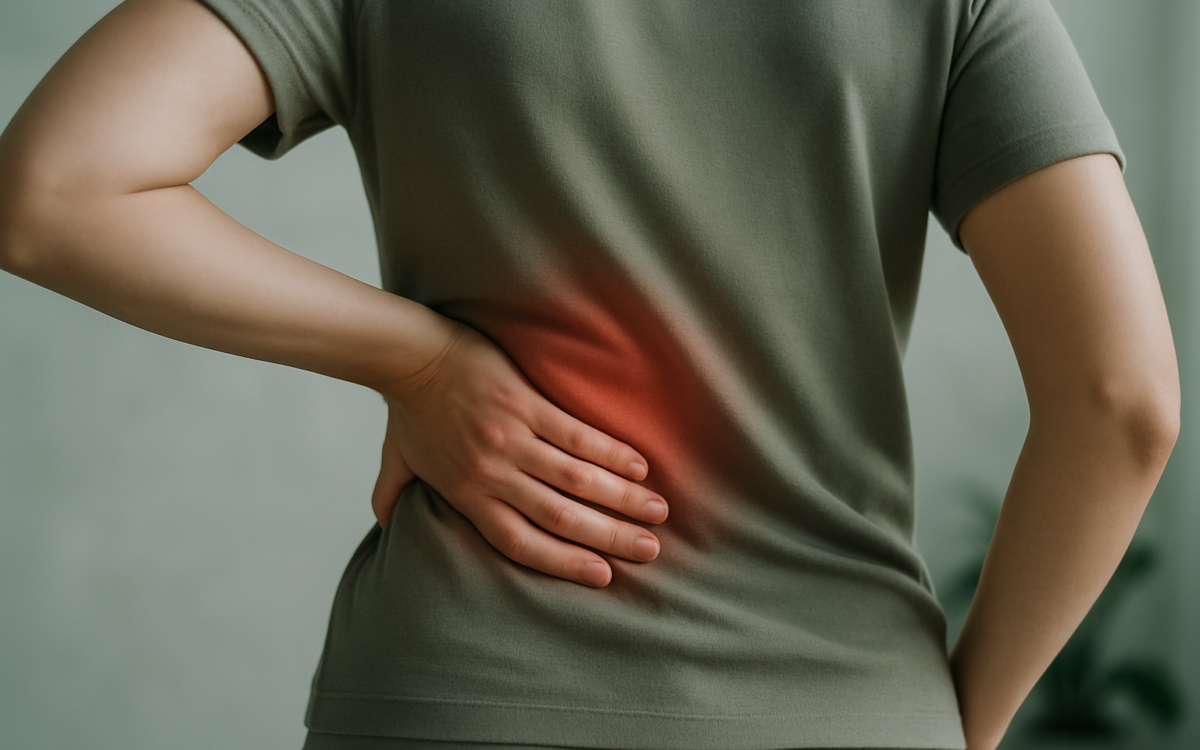
When you experience discomfort in your left mid back or side, it can be worrisome. This type of pain can stem from various causes, ranging from muscle strain to more serious health issues. Understanding the reasons for this pain, what symptoms to watch for, and when to seek medical help can empower you to take charge of your health.
Common Causes of Left Mid Back Pain
Left mid back pain can occur due to different reasons. Here are some common causes:
- Muscle Strain: Lifting heavy objects or overexertion during physical activity can lead to muscle strains.
- Poor Posture: Sitting for long hours without proper back support can strain muscles.
- Injuries: Accidents or falls can result in localized pain.
- Herniated Discs: A herniated disc in the spine can press on nerves and lead to pain.
- Sciatica: Pain that runs from the lower back to the side can occur if the sciatic nerve is irritated.
Pain on the Left Side: Potential Causes
Pain on the left side of your body can also indicate a variety of conditions:
- Kidney Issues: Conditions like kidney stones or infections can cause pain that radiates to the back.
- Gastrointestinal Problems: Conditions like gastritis or irritable bowel syndrome (IBS) can present as left-sided pain.
- Lung Problems: Issues such as pneumonia can cause referred pain in the back.
Symptoms Associated with Left Mid Back and Side Pain
It’s important to consider accompanying symptoms that may help identify the cause of your pain. Here are some common symptoms:
- Sharp or Dull Pain: The intensity of pain can vary, ranging from sharp to dull aches.
- Radiating Pain: Pain may radiate to nearby areas such as the chest, abdomen, or shoulder.
- Stiffness: You might feel stiffness in your back or discomfort when moving.
- Numbness or Tingling: If nerves are involved, you might experience numbness or tingling.
Risk Factors That Contribute to Back Pain
Several factors can increase your risk of developing left mid back and side pain. Understanding these can help you manage your health effectively:
- Age: As you age, the spine undergoes changes that can lead to pain.
- Occupational Hazards: Jobs that require heavy lifting or prolonged sitting can strain the back.
- Weight: Being overweight puts additional stress on the back muscles and spine.
- Previous Injuries: A history of back injuries may increase the likelihood of future issues.
Home Remedies for Mild Pain Relief
If your pain is mild and not associated with severe symptoms, several home remedies might offer relief:
- Rest: Taking time to rest can prevent further injury.
- Ice or Heat Application: Applying ice packs or heat pads may alleviate discomfort.
- Gentle Stretching: Simple stretches can help improve flexibility and reduce tension.
- Over-the-counter Pain Relievers: Medications like ibuprofen may help with pain management.
When to See a Doctor
While mild pain may improve with home care, specific signs warrant a visit to a healthcare provider:
- Persistent Pain: If pain lasts more than a few days or worsens.
- Severe Symptoms: Experiencing numbness, tingling, or weakness in the limbs.
- Unexplained Weight Loss: Sudden weight loss without trying can indicate underlying issues.
- Fever: Accompanying fever may suggest an infection.
Consulting with a healthcare professional can provide personalized insights and necessary treatment options.
Conclusion
Left mid back and side pain can arise from various factors, including muscle strain, kidney issues, or even gastrointestinal conditions. Being aware of your symptoms and understanding which risk factors you may have can help you identify when to seek medical advice. Always prioritize your health, and don’t hesitate to consult a doctor if your pain persists or worsens.
