
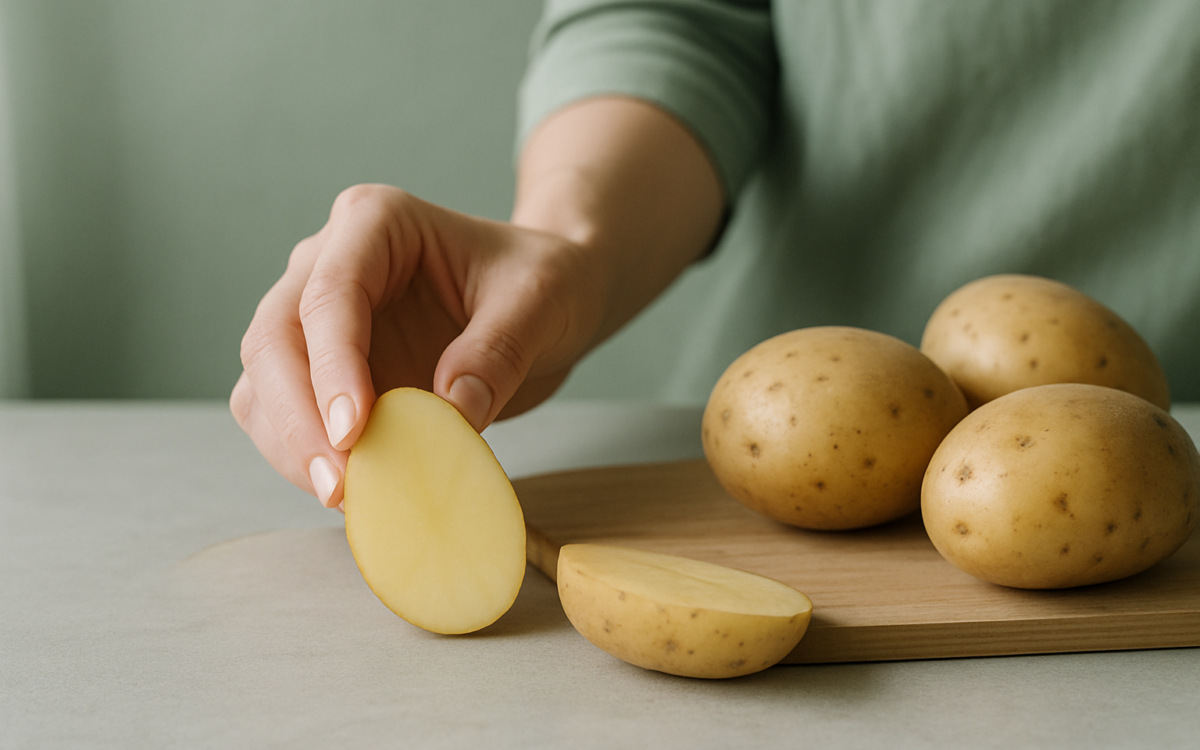
You’ve probably enjoyed potatoes in many forms—mashed, fried, baked, and roasted. But have you ever wondered, can you eat raw potatoes? It’s a question that may come up as more people explore plant-based diets and natural foods. While the idea of eating raw potatoes could seem enticing, especially when considering popular raw food trends, there are important health factors to consider. Let’s explore the details of eating raw potatoes, including nutritional content, potential risks, and safety guidelines.
The Nutritional Value of Raw Potatoes
Potatoes are often hailed as a staple food around the world, rich in carbohydrates, vitamins, and minerals. When it comes to raw potatoes, certain nutrients may be more or less available compared to cooked ones. Here’s a breakdown of the nutritional aspects:
- Vitamins: Raw potatoes can contain vitamins such as C and B6, but cooking can enhance the availability of these vitamins due to the breakdown of cell walls.
- Minerals: Raw potatoes are also sources of potassium and magnesium, essential for your overall health.
- Fiber: The fiber in raw potatoes can support digestive health, although cooking softens them for easier digestion.
While raw potatoes do provide some nutrients, it’s worth noting that cooking can often enhance flavor and increase the bioavailability of certain vitamins.
Potential Risks of Eating Raw Potatoes
Eating raw potatoes is not as innocent as it might seem. One of the major concerns lies in the presence of a toxic compound known as solanine.
What is Solanine?
Solanine is a naturally occurring chemical found in potatoes, particularly in parts that are green or sprouted. While small amounts are generally harmless when potatoes are properly prepared, raw potatoes can contain higher levels of solanine, which can lead to various health issues.
Health Effects of Solanine
Solanine intoxication can lead to symptoms like:
- Nausea
- Vomiting
- Abdominal cramps
- Diarrhea
- Headaches
- Fever
In severe cases, solanine can cause neurological issues, which is rare but serious. Therefore, while cooking can significantly reduce the solanine levels, eating raw potatoes might put you at risk.
How Cooking Affects Potatoes
Cooking potatoes can change their nutritional profile and eliminate harmful substances. Methods like boiling, baking, or frying can reduce solanine levels, making them safer to eat. Here’s how cooking affects different nutrients:
- Vitamins: Heat can destroy some nutrients, especially vitamin C, but cooking can make others like beta-carotene more bioavailable.
- Digestibility: Cooking helps break down starches, making them easier for your body to absorb.
- Flavor: Cooking enhances the taste, providing a more enjoyable eating experience.
Safe Ways to Enjoy Potatoes
If you’re curious about potatoes in their raw form, consider these alternatives that incorporate their taste without the risks:
- Grated raw potatoes: You can use small amounts in salads but make sure they are thoroughly peeled and washed.
- Cooked potato salads: Instead of raw, prepare potato salads using boiled or roasted potatoes combined with healthy ingredients.
- Explore other vegetables: If you want to add crunch to your salads, consider other raw veggies like carrots or bell peppers instead.
When to See a Doctor
If you suspect solanine poisoning or experience any symptoms after consuming raw potatoes, it’s important to seek medical attention promptly. Symptoms like prolonged nausea, severe headaches, or neurological changes warrant a visit to a healthcare professional. Always prioritize safety and consult your doctor for personal dietary advice.
Conclusion
In conclusion, while the idea of eating raw potatoes might be intriguing, the potential risks outweigh the benefits. Factors like solanine toxicity and possible digestive issues make it safer to stick with cooked potatoes. They remain a delicious, versatile, and nutritious staple when properly prepared. As always, if you’re considering making significant dietary changes, it’s a good idea to consult with a healthcare provider for tailored advice.
