
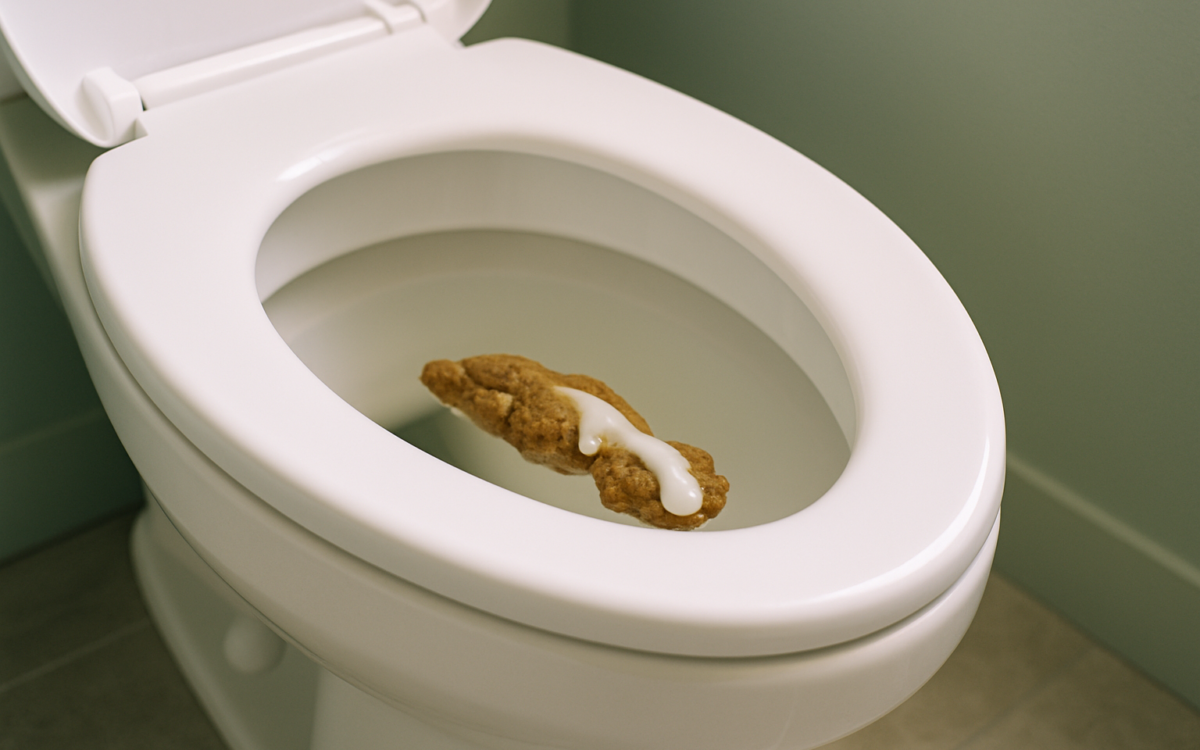
It’s not uncommon to occasionally notice something unusual in your stool. One concerning sight is the presence of white goo, which can cause alarm and a flurry of questions. Is it a sign of something serious? Does it mean you need to change your diet or seek medical help? This article aims to demystify this occurrence and provide clarity on what white goo in poop could mean.
What is the white goo in poop?
The white goo you may notice in your stool can often be mucus. This is a normal substance produced by the intestines to keep the lining of the digestive tract lubricated. Under normal circumstances, mucus helps facilitate the smooth passage of stool through the intestines.
Common causes of white goo
While mucus in stool can sometimes be harmless, several factors could increase its presence. Let’s delve into some common causes:
- Dietary Factors: A diet low in fiber may lead to irregular bowel movements and an increase in mucus production. Foods high in processed sugars and fats can also contribute to digestive discomfort.
- Infections: Gastrointestinal infections, often caused by bacteria or viruses, can lead to mucus in stool. The body produces more mucus to help flush out irritants. Certain parasites may also cause similar symptoms.
- Inflammatory Bowel Disease (IBD): Conditions like Crohn’s disease or ulcerative colitis can increase mucus production as a response to inflammation in the intestines. This occurrence may be accompanied by other symptoms such as abdominal pain, diarrhea, and weight loss.
- Irritable Bowel Syndrome (IBS): This common gastrointestinal disorder can lead to irregular bowel patterns and increased mucus in the stool.
- Allergic Reactions: Food allergies or sensitivities can sometimes manifest in unusual stool characteristics due to inflammation in the digestive tract.
When is mucus in stool a concern?
Mucus in stool is typically not a cause for alarm, especially if it’s infrequent and you’re not experiencing other symptoms. However, there are times when it may indicate an underlying issue. Consider seeking medical attention if you experience:
- Persistent presence of mucus in stool over several days.
- Accompanying symptoms such as severe abdominal pain, diarrhea that lasts more than two days, or significant weight loss.
- Blood in your stool or a change in its consistency or color.
How is the cause diagnosed?
To determine the cause of white goo in your poop, a healthcare provider will typically start with a physical examination and take a detailed history of your symptoms. They may ask about your diet, any recent changes, and other accompanying signs. If necessary, diagnostic tests may include:
- Stool Analysis: A sample may be tested to check for infections, parasites, or signs of malabsorption.
- Blood Tests: These can help identify underlying conditions like anemia or inflammation.
- Imaging Studies: In some cases, x-rays or CT scans may be required to visualize the intestines.
Self-care and prevention tips
While understanding the underlying causes and seeking medical consultation when needed are crucial steps, certain self-care practices may contribute to better digestive health and potentially lessen the presence of mucus:
- Maintain a balanced diet: Include high-fiber foods, such as fruits, vegetables, and whole grains, to support digestive health.
- Stay hydrated: Drinking plenty of water can help your digestive system function optimally.
- Monitor food triggers: Pay attention to how your body reacts to certain foods or dietary changes and consult with a healthcare provider if you suspect food allergies or intolerances.
- Manage stress: Stress can influence gut health, so consider incorporating stress management techniques such as yoga, meditation, or deep breathing into your routine.
When to see a doctor
If you’ve noticed persistent white goo in your stool or any concerning symptoms, it’s important to consult a healthcare professional. They can help determine the underlying cause and recommend appropriate treatment. Early intervention is key to addressing potential health issues.
Conclusion
Finding white goo in your stool can be puzzling, but understanding the potential causes can alleviate some of your concerns. While mucus is often a harmless component of your digestive process, it’s crucial to watch for accompanying symptoms that may indicate a more serious issue. Maintaining a healthy diet and lifestyle can promote better digestive health, but always remember that consulting a doctor is the best way to ensure your well-being. For more information about digestive health, visit NIH or Mayo Clinic.
