
Sciatica can be a frustrating condition, causing discomfort that runs from the lower back down through the legs. It often results from a variety of factors, including herniated discs, spinal stenosis, or muscular imbalances. Thankfully, simpler movements—especially effective stretches—can help alleviate this discomfort.
What is sciatica?
Sciatica refers to pain along the sciatic nerve, the longest nerve in your body, which extends from your lower back down the back of each leg. It can manifest as a sharp pain, a dull ache, or numbness in one leg. While the condition often improves with self-care measures, incorporating stretching into your routine can significantly enhance recovery.
Understanding the benefits of stretching for sciatica
Stretching is essential for maintaining flexibility, improving blood circulation, and reducing tension in your muscles. When it comes to sciatica, gentle stretches can help:
- Relieve nerve compression
- Improve mobility in tight muscles
- Reduce inflammation
- Promote relaxation and a sense of well-being
Incorporating targeted stretches not only can provide immediate relief but also help prevent future flare-ups. Let’s explore some effective stretches for the sciatic nerve.
Essential stretches to relieve sciatica pain
Piriformis stretch
The piriformis muscle, located deep in the buttock, can sometimes irritate the sciatic nerve. Performing this stretch can help:
- Lie on your back with both knees bent.
- Cross your right ankle over your left knee.
- Gently pull your left thigh towards your chest.
- Hold this position for 20-30 seconds, then switch sides.
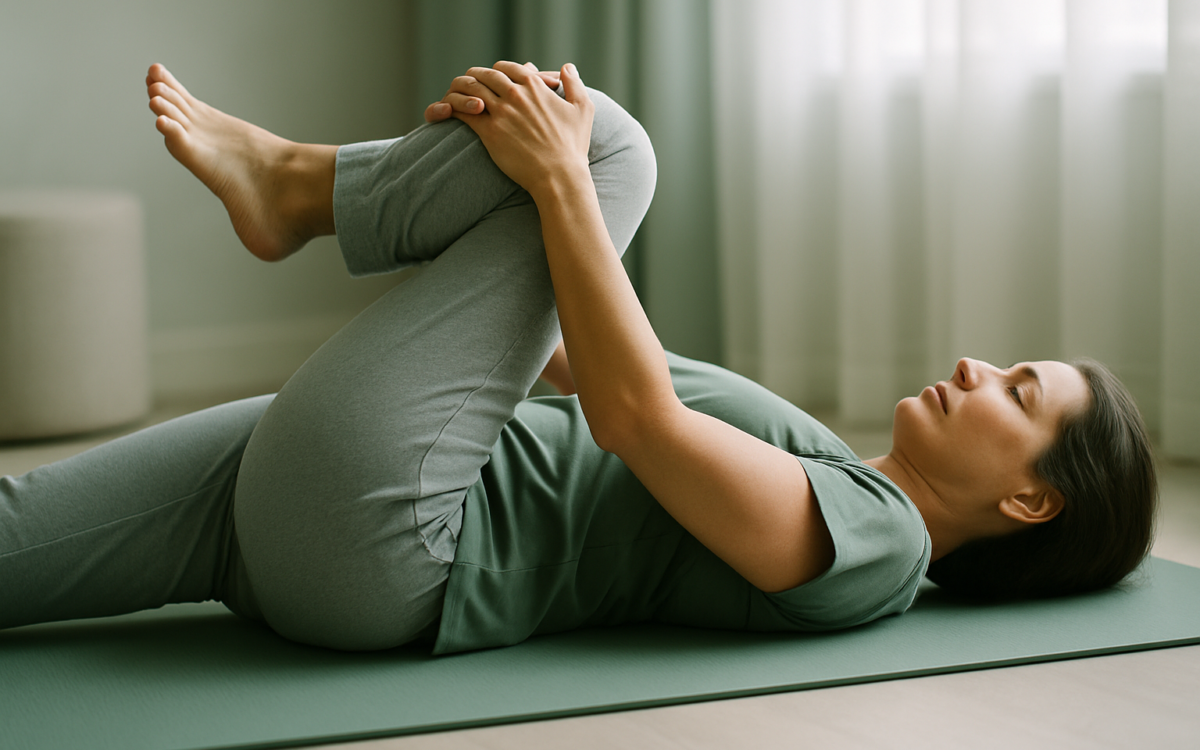
Knees to chest stretch
This stretch helps relieve tension in the lower back. Here’s how to do it:
- Lie down on your back with your legs extended.
- Bend your knees and pull them toward your chest.
- Hold for about 20-30 seconds, breathing deeply.
- Slowly release and repeat several times.
Cobra stretch
The cobra stretch can help open up the lower back and relieve tightness:
- Lie face down on the floor.
- Place your hands under your shoulders and gently push into your palms.
- Lift your chest upward while keeping your pelvis on the floor.
- Hold for about 15-30 seconds, ensuring you don’t overextend your back.
Seated forward bend
This stretch helps elongate the spine and can ease discomfort:
- Sit on the floor with your legs extended in front of you.
- Reach forward, aiming to touch your toes.
- Hold for 20-30 seconds, breathing deeply. Do not force the stretch.
Hamstring stretches
Tight hamstrings can contribute to sciatic pain. Try this simple stretch:
- While sitting, extend one leg out to the side and bend the opposite knee.
- Lean toward your extended leg, keeping your back straight.
- Hold for 20-30 seconds, then switch sides.
Incorporating stretches into your daily routine
For those suffering from sciatica, consistent stretching can be key to long-term relief. Aim to stretch at least 2-3 times a week, or daily if you’re currently experiencing pain. When combined with other health practices such as regular walking and good posture, stretching can greatly enhance your recovery journey.
For individuals seeking a more international perspective on sciatica treatment, options like treatment in Turkey provide valuable insights into a variety of health practices, therapies, and alternative options that might suit your needs.
When to see a doctor
If your sciatica doesn’t improve with home remedies, or if you experience severe symptoms such as significant weakness, loss of bowel or bladder control, or consistent pain that interferes with daily activities, it’s crucial to consult a healthcare provider. They can evaluate your condition, discuss potential treatments, and recommend physical therapy or other interventions tailored to you. It’s important to rule out any severe underlying conditions that may require immediate attention.
Conclusion
Sciatica can be an overwhelming condition, but the power of stretching shouldn’t be underestimated. By integrating effective stretches into your routine, you may find relief from pain and improve your mobility. Remember to listen to your body when stretching, and consult with a healthcare professional if you have any concerns or if symptoms persist. Taking action towards your recovery is the first step toward a pain-free life.
