
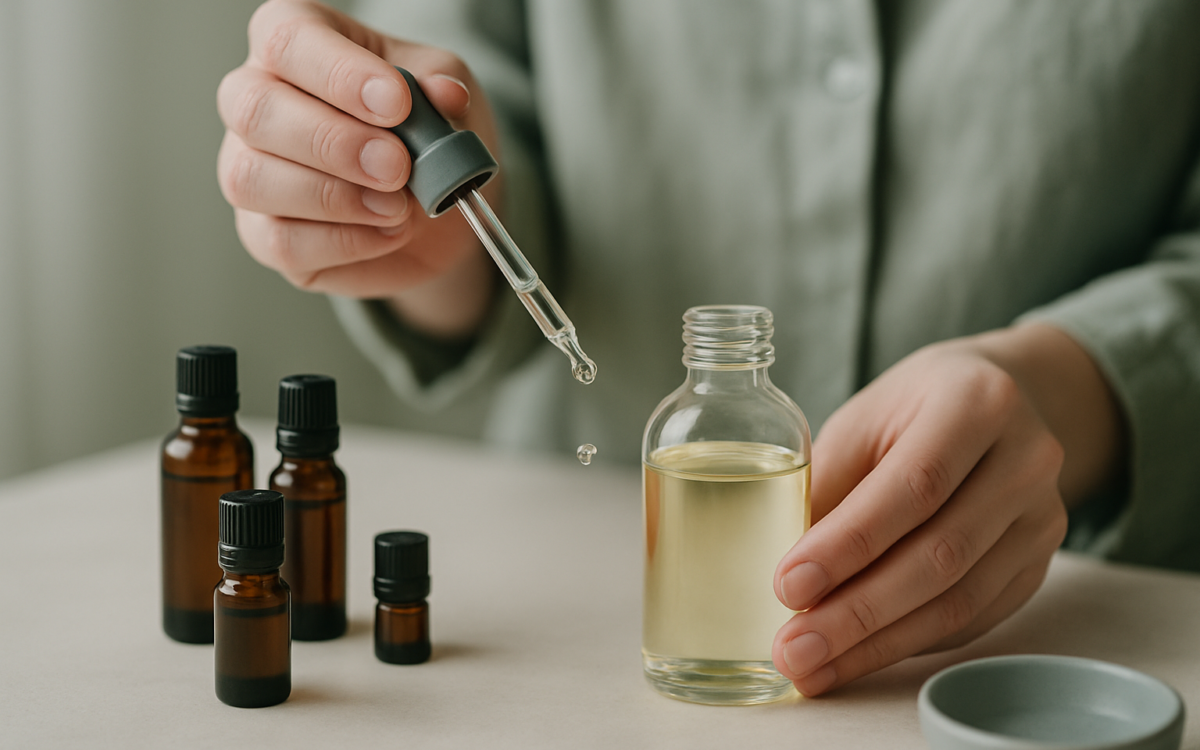
Essential oils have gained immense popularity for their aromatic and therapeutic properties, making them staples in many households. However, the intense potency of these oils means that they often require a little extra help to be safe and effective. Enter carrier oils: the unsung heroes that can enhance your essential oil experience while ensuring your skin stays healthy. This article will guide you through the types of carrier oils, their benefits, and how to use them effectively with essential oils.
What Are Carrier Oils?
Carrier oils are vegetable oils made from the fatty portion of a plant, usually obtained from the seeds, nuts, or kernels. Unlike essential oils, which are highly concentrated and potent, carrier oils usually have a milder scent and serve several important functions in aromatherapy and skincare. They help dilute essential oils, making them safe for topical application. Without carrier oils, applying essential oils directly to the skin could result in irritation, allergic reactions, or skin sensitization.
Types of Carrier Oils
There is a wide variety of carrier oils available, each with its own unique properties and benefits. Here are some popular options:
- Sweet Almond Oil: Rich in vitamins A and E, this oil is excellent for sensitive skin and helps with moisture retention.
- Coconut Oil: With its natural antibacterial properties, coconut oil is great for hydration and has a pleasant scent.
- Jojoba Oil: Structurally similar to human skin’s natural oils, jojoba is excellent for all skin types, especially oily skin.
- Grapeseed Oil: Lightweight and non-greasy, this oil is often recommended for those with acne-prone skin.
- Olive Oil: Packed with antioxidants, olive oil is known for its hydrating properties and is easily absorbed by the skin.
Why Use Carrier Oils?
Using carrier oils alongside essential oils provides numerous benefits:
- Improved Absorption: Carrier oils can enhance the absorption of essential oils into the skin, allowing for more effective delivery of their therapeutic compounds.
- Safety First: Diluting essential oils in a carrier oil reduces the risk of irritation, making them safer for topical use.
- Skin Benefits: Many carrier oils are full of vitamins and nutrients that can nourish and hydrate your skin.
How to Mix Essential Oils with Carrier Oils
Combining essential oils with carrier oils is a straightforward process, but it’s essential to follow proper guidelines:
1. Determine the Ratio
The general dilution guideline is to use 1-2 drops of essential oil per teaspoon (5 ml) of carrier oil for adult use. For sensitive areas or children, consider a lower ratio, such as 1 drop of essential oil per tablespoon (15 ml) of carrier oil.
2. Ensure Quality
Choose high-quality, cold-pressed carrier oils to maximize the benefits. Always check that your essential oils are pure and suitable for your intended use.
3. Conduct a Patch Test
Before applying your blended oil to a larger area of skin, perform a patch test by applying a small amount to a discrete area and waiting 24 hours to check for any adverse reactions.
Popular Essential Oil and Carrier Oil Combinations
Certain combinations are well-known for their synergistic effects:
- Lavender + Sweet Almond Oil: This calming blend is ideal for relaxation and soothing irritations.
- Tea Tree + Jojoba Oil: This combination can help combat blemishes and promote clearer skin.
- Peppermint + Coconut Oil: A refreshing mix that can provide relief from headaches when applied to the temples.
Common Mistakes to Avoid
When using carrier oils with essential oils, it’s important to be mindful of some common pitfalls:
- Using Too Much Essential Oil: Over-concentrating essential oils can lead to skin irritation. Always adhere to dilution guidelines.
- Skimping on Quality: Using subpar or overly processed carrier oils can diminish the benefits. Opt for high-quality, organic options when possible.
- Ignoring Allergies: Always check for allergies to both carrier oils and essential oils, especially if you’re trying a new combination.
When to See a Doctor
If you experience persistent irritation, redness, or any severe adverse reactions after using essential oils or carrier oils, it’s important to consult a healthcare professional. Additionally, if you are pregnant, nursing, or have a pre-existing health condition, it’s wise to speak with your doctor before using essential oils, as some may have contraindications.
Conclusion
Incorporating carrier oils into your use of essential oils can significantly enhance their effectiveness and safety. By understanding the various types of carrier oils and how to use them properly, you can make the most of your essential oil experience. Remember to always prioritize safety by conducting patch tests and consulting with a healthcare professional when necessary. With the right knowledge, you can unlock the full potential of essential oils while keeping your skin healthy and vibrant.
