
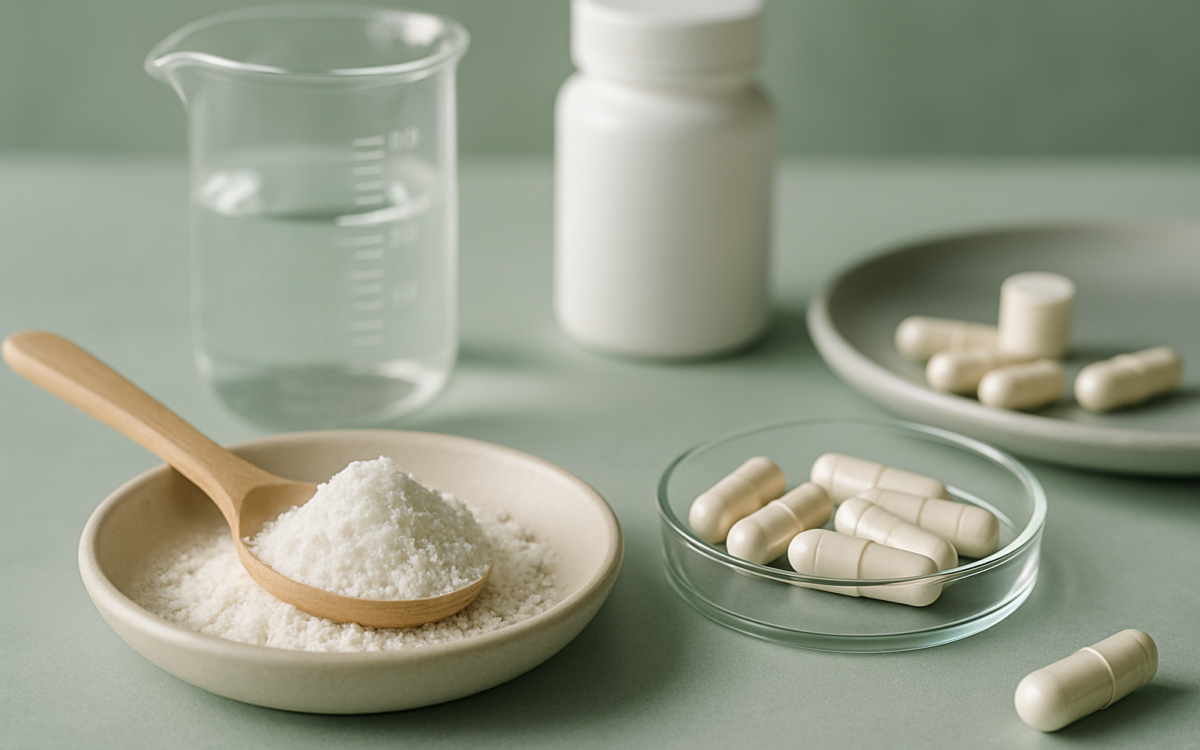
Magnesium stearate is a compound that you might not have heard of, but it plays a crucial role in the dietary supplement and food industry. It’s a salt formed from magnesium and stearic acid. You’ll commonly find it as an ingredient in capsules and tablets, helping bind ingredients together and improve the flow in manufacturing processes. But what do you need to know about this common additive? Let’s dive deeper into the world of magnesium stearate.
What is Magnesium Stearate?
Magnesium stearate is a white, powdery substance used widely in various industries, especially in pharmaceuticals and supplements. Technically, it is a magnesium salt of stearic acid, a saturated fatty acid found in many animal and plant fats.
This compound serves several functions:
- Lubricant: It prevents ingredients from sticking to manufacturing equipment, ensuring smooth production.
- Binder: It helps hold ingredients together in tablets and capsules.
- Flow agent: It improves the flow of powders during manufacturing, making the process more efficient.
Uses of Magnesium Stearate
Magnesium stearate is primarily used in dietary supplements, but its applications extend beyond that. In the food industry, it acts as an emulsifier and anti-caking agent. Here are some places you can find magnesium stearate:
- Dietary Supplements: It’s a common ingredient in vitamins and minerals, ensuring uniformity in the product.
- Pharmaceuticals: Used to manufacture tablets to ensure they have the right consistency.
- Food Products: It can be found in powdered foods and seasonings to prevent clumping.
Is Magnesium Stearate Safe?
The safety of magnesium stearate has been a topic of discussion among health professionals. Most research indicates that it is safe when consumed in appropriate amounts. According to the National Institutes of Health, magnesium stearate is generally recognized as safe (GRAS) when used as a food additive. However, some people express concerns about its potential to hinder nutrient absorption in supplements.
Potential Health Benefits
While magnesium stearate itself is not a source of health benefits, the supplements it is often a part of may offer various health advantages. Magnesium, for instance, is an essential mineral crucial for many bodily functions. It supports muscle and nerve function, helps maintain a healthy immune system, and plays a role in energy production.
If you’re considering treatments abroad, such as treatment in Turkey, ensure the supplements you take are safe and effective. Many international clinics also provide information about the ingredients in their recommended dietary supplements.
Concerns and Myths
Despite its safety profile, magnesium stearate has faced scrutiny. Some anecdotal claims suggest it could interfere with absorption of other nutrients. However, a systematic review of current research indicates that the amount found in supplements is unlikely to cause problems for most people.
It is also important to differentiate between magnesium stearate and other additives. Some people may confuse it with magnesium sterate, a different compound altogether. Understanding what goes into your supplements can empower you to make informed health choices.
When to See a Doctor
If you experience adverse reactions after taking supplements containing magnesium stearate or other additives, it’s essential to consult your healthcare provider. Additionally, if you have any concerns or questions about your diet or supplement regimen, reaching out to a doctor is always a smart decision.
Conclusion
Magnesium stearate is a common yet often misunderstood ingredient in many dietary supplements and processed foods. While it plays a critical role in production and formulation, it’s generally deemed safe and effective when consumed as part of a balanced diet. As with any supplement, it’s wise to consult healthcare professionals regarding dietary choices.
