
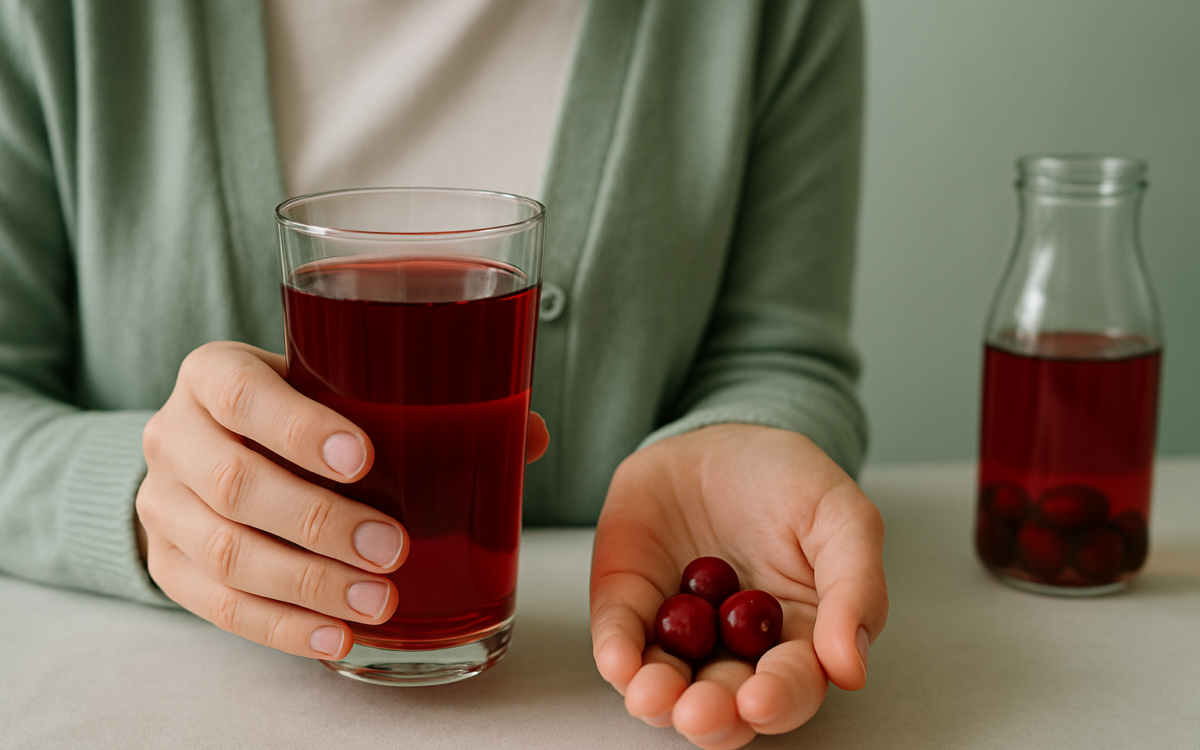
Cranberry juice has been a popular beverage for many years, often celebrated for its tart flavor and potential health benefits. While it’s enjoyed for its taste, many people wonder: is cranberry juice good for you to drink? In this article, we’ll explore the various benefits of cranberry juice, its nutritional profile, and some factors to consider when enjoying this flavorful drink.
Rich in Nutrients and Antioxidants
Cranberries are packed with essential nutrients and antioxidants, making cranberry juice a nutritious choice. These small, red berries are high in vitamins C and E, which help to support your immune system and keep your skin healthy. The juice is also rich in polyphenols, a type of antioxidant that may protect your cells from damage caused by free radicals.
Antioxidants are vital for combating oxidative stress in the body. Studies suggest that diets rich in antioxidants may lower the risk of chronic diseases such as heart disease and cancer ([NIH](https://www.ncbi.nlm.nih.gov/pmc/articles/PMC5083650/)). Drinking cranberry juice can contribute to your overall antioxidant intake, especially if you choose varieties with no added sugars.
Benefits for Urinary Tract Health
One of the most well-known benefits of cranberry juice is its role in promoting urinary tract health. Some research indicates that cranberry juice may help prevent urinary tract infections (UTIs) by preventing bacteria from adhering to the urinary tract lining. A systematic review published in the journal BMJ Evidence-Based Medicine suggests that cranberry products might reduce the occurrence of UTIs in some populations ([Mayo Clinic](https://www.mayoclinic.org/health-information/utis-and-cranberries-in-nutrition/art-20045580)).
However, it’s important to note that while cranberry juice may help in UTI prevention, it is not a substitute for medical treatment. If you experience symptoms of a UTI, it’s crucial to consult a healthcare professional.
Heart Health and Cholesterol Levels
Regularly consuming cranberry juice may have positive effects on heart health. Some research indicates that the antioxidants in cranberries may play a role in lowering LDL cholesterol (often referred to as “bad” cholesterol) and increasing HDL cholesterol (the “good” cholesterol). Managing cholesterol levels is important for heart health and reducing the risk of cardiovascular disease.
A study published in the Journal of Nutrition found that cranberry juice consumption was associated with improvements in cholesterol levels and overall cardiovascular health. However, more comprehensive, long-term studies are needed to fully understand these effects ([Cleveland Clinic](https://health.clevelandclinic.org/how-do-cranberries-benefit-your-heart/)).
Hydration and Caloric Considerations
Staying hydrated is essential for maintaining good health, and cranberry juice can be a tasty way to boost your fluid intake. The juice contains a high water content, contributing to your daily hydration needs. However, it’s important to choose unsweetened or low-sugar options to avoid added calories and sugar intake. Many commercial cranberry juices can be high in sugar, which may counteract some of their health benefits.
When enjoying cranberry juice, look for 100% cranberry juice or blends that include other fruit juices without added sugars. This way, you can enjoy the flavor while benefiting from the nutrients.
Possible Side Effects and Considerations
While cranberry juice is generally considered healthy, it’s important to keep in mind potential side effects. Some individuals may experience gastrointestinal issues, such as diarrhea or upset stomach, especially if consuming large amounts of juice. Additionally, cranberry juice may interact with certain medications, such as blood thinners. If you’re on medication, it’s wise to consult with your healthcare provider about cranberry juice consumption.
For those with a history of kidney stones, caution is advised. Cranberries contain oxalates, which can contribute to the formation of certain types of kidney stones. Always consult with a healthcare professional if you have concerns about your dietary choices.
When to See a Doctor
If you experience symptoms of a urinary tract infection, such as painful urination, frequent urge to urinate, or lower abdominal pain, it’s essential to seek medical attention. Cranberry juice may help reduce the risk of UTIs, but it should not be used as a replacement for medical treatment.
Consult your healthcare provider if you have chronic health conditions, are pregnant, or if you take prescription medications to understand how cranberry juice might fit into your diet.
In summary, cranberry juice can be a beneficial addition to your diet when consumed in moderation. With its rich nutrient profile, potential heart-healthy effects, and support for urinary tract health, it offers a variety of health advantages. However, as with any food or beverage, it’s important to consider individual circumstances and consult with healthcare professionals as needed. Enjoy cranberry juice as part of a balanced diet, and make sure to monitor your overall intake for the best results.
