
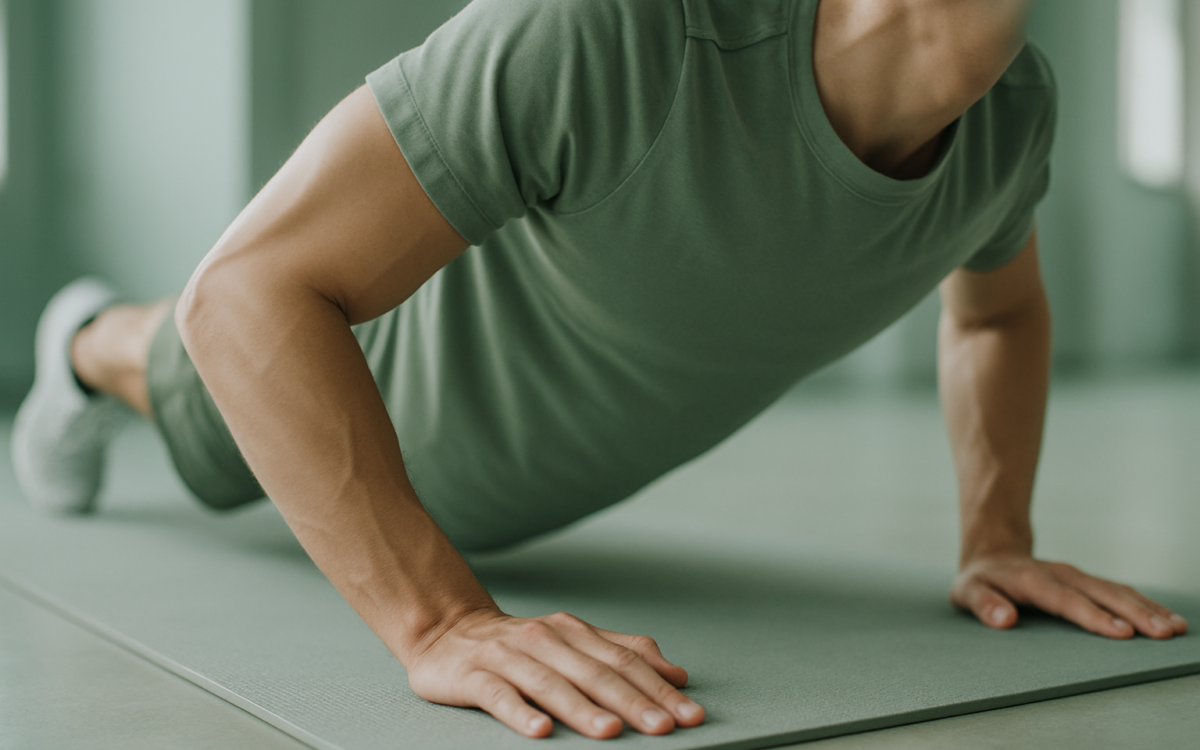
When it comes to working out, there’s a lot of talk about different styles and focuses. One popular and effective method is the push workout. This type of training emphasizes building strength through pushing movements, which primarily target the upper body and core muscles. Whether you’re a fitness newbie or someone looking to switch up your routine, understanding push workouts can help you achieve your strength and fitness goals.
What Are Push Workouts?
At its core, a push workout involves exercises that focus on pushing movements. These workouts typically highlight the muscles of the chest, shoulders, and triceps. Common exercises include bench presses, push-ups, overhead presses, and tricep dips. By concentrating on pushing, these workouts help improve muscle tone and strength, making daily activities easier.
The Benefits of Push Workouts
Push workouts offer numerous advantages, making them a fantastic addition to anyone’s fitness routine. Here are some key benefits:
- Strength Building: Push workouts specifically target upper body strength, enhancing muscle definition and endurance.
- Core Engagement: Many pushing movements require core stabilization, assisting in building a stronger core alongside upper body strength.
- Functional Fitness: The strength gains from push workouts contribute to better performance in everyday tasks, from lifting heavy objects to even simple tasks like pushing a door open.
- Flexibility in Routine: Push workouts can be adapted and performed at home or in the gym, with simple equipment or even body weight.
Key Exercises for Push Workouts
Integrating push movements into your workout routine can be simple and enjoyable. Here are some essential exercises:
1. Push-Ups
This classic exercise is highly effective for building upper body strength. To perform a push-up, start in a plank position with your hands shoulder-width apart. Lower your body until your chest nearly touches the ground, then push back up. Modify by placing your knees on the ground if needed.
2. Bench Press
Utilizing a bench and weights, the bench press is excellent for building chest and arm strength. Lie on your back on a bench, holding weights above your chest with your arms extended. Lower the weights slowly to your chest, then press back up.
3. Overhead Press
This fantastic compound movement targets your shoulders and triceps. Stand with your feet hip-width apart, holding weights at shoulder height. Press the weights overhead until your arms are straight, and then lower them back to the starting position.
4. Dips
To perform dips, you’ll need parallel bars or a sturdy surface. Place your hands behind you on the bars, lower your body by bending your elbows, then push back up to starting position. Dips effectively work the triceps and shoulders.
How to Incorporate Push Workouts into Your Routine
Integrating push workouts into your weekly routine doesn’t have to be complicated. Here are some simple strategies to get started:
- Set a Schedule: Aim for 2-3 sessions each week dedicated to push workouts. Pair them with pull or leg workouts for a balanced routine.
- Mix and Match: Combine various push exercises for a well-rounded session. For example, start with push-ups, move to overhead presses, and finish with dips.
- Monitor Progress: Keep a log of your sets and repetitions. Challenges with numbers help you remain focused on improvement.
Safety Considerations
While push workouts are generally safe and beneficial, there are precautions you should keep in mind:
- Warm Up: Prepare your muscles with a warm-up. Dynamic stretches or light cardio can reduce the risk of injury.
- Listen to Your Body: Pay attention to how your body feels. If you experience pain outside of typical muscle soreness, consider resting or consulting a fitness professional.
- Use Proper Form: Correct technique is crucial to prevent injuries. If unsure, seek guidance from a trainer or use resources to learn proper form.
When to See a Doctor
If you’re new to exercise or have specific health concerns, consult your doctor before starting a new workout routine. It’s also wise to seek medical advice if you experience:
- Persistent pain or discomfort during or after workouts
- Severe fatigue that doesn’t improve with rest
- Any unusual symptoms like dizziness or shortness of breath
Conclusion
Push workouts are an excellent way to enhance your strength, muscle tone, and functional fitness. They are flexible, effective, and can easily be adapted to suit your individual fitness level. By incorporating various push exercises into your routine and following safety considerations, you can enjoy the benefits these workouts offer. Remember to consult your doctor if you’re unsure about starting a new fitness regimen, especially if you have health concerns.
