
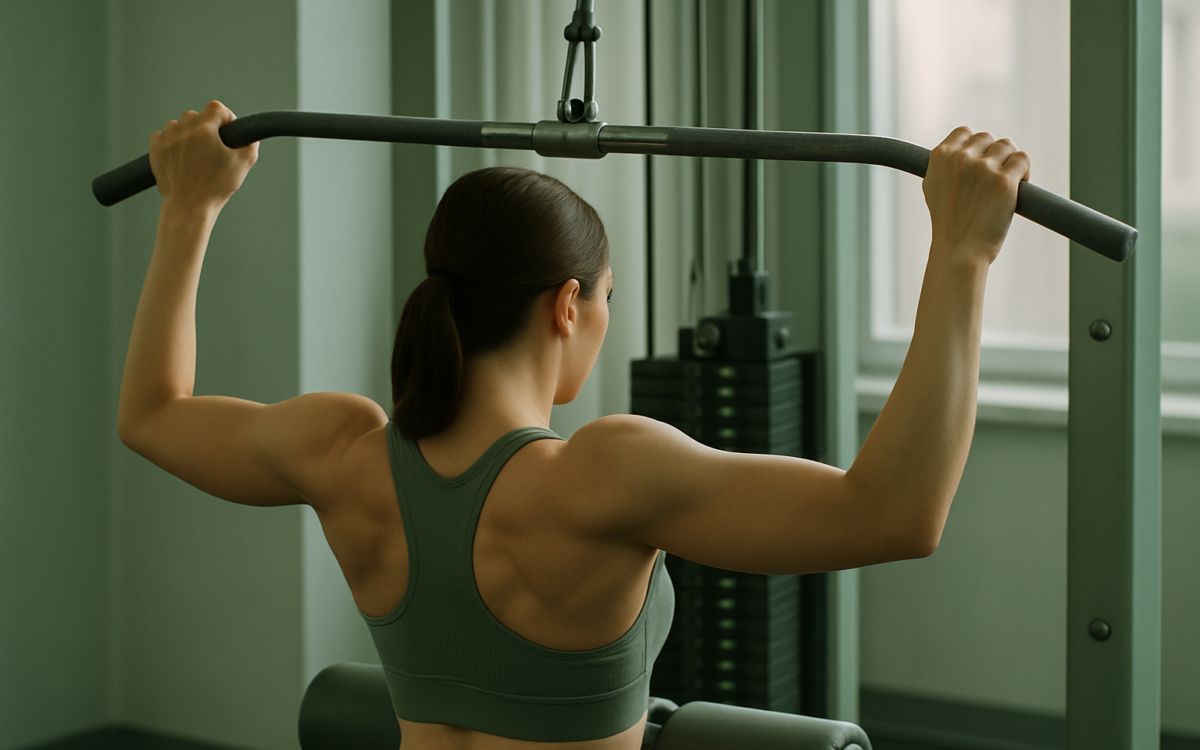
When it comes to building muscle and gaining strength, understanding different workout types is crucial. Pull workouts focus on exercises that target the muscles involved in pulling movements. These workouts primarily engage the back, biceps, and forearms, making them essential for creating a balanced and strong physique.
What are Pull Workouts?
Pull workouts are an essential part of any comprehensive strength training program. They center on exercises that require you to pull a weight or your body against resistance. Examples include pull-ups, rows, and lat pull-downs. These movements specifically target muscles like the latissimus dorsi (the broadest muscle of the back), rhomboids, trapezius, and biceps. Incorporating pull workouts into your training schedule can significantly enhance your upper body strength and posture.
The Importance of Pull Workouts
Including pull workouts in your routine can offer numerous benefits:
- Muscle Development: Pull workouts help strengthen and define major muscle groups, particularly in the back and arms.
- Improved Posture: Regularly practicing pull exercises helps counteract the effects of prolonged sitting and poor posture.
- Enhanced Functional Movement: These exercises mimic everyday activities, making you more efficient in tasks involving pulling motions, such as lifting and carrying.
Essential Pull Exercises
There are many exercises you can incorporate into your pull workouts. Here are some tried-and-true options:
Pull-Ups
Pull-ups are a classic bodyweight exercise that targets your back and biceps. To perform a pull-up:
- Grab a pull-up bar with your palms facing away from you, hands shoulder-width apart.
- Hang with your arms fully extended.
- Pull your chin above the bar, squeezing your shoulder blades together.
- Lower yourself back down with control.
Rows
Rows can be performed using dumbbells, cables, or a barbell. Here’s a simple way to do a bent-over dumbbell row:
- Stand with your feet shoulder-width apart, holding a dumbbell in each hand.
- Bend slightly at the knees and hinge at the hips, keeping your back straight.
- Pull the weights towards your waist, squeezing your shoulder blades together.
- Lower back to the starting position.
Lat Pull-Downs
This exercise is excellent for building strength in your upper back. To do a lat pull-down:
- Sit at a lat pull-down machine and grasp the bar with a wide grip.
- Pull the bar down towards your chest, keeping your elbows pointed down.
- Slowly return the bar to the starting position.
Creating a Balanced Workout Routine
A well-rounded workout plan should include push, pull, and leg workouts, ensuring that all muscle groups are engaged. Here’s a simple breakdown:
- Push Workouts: Focus on pushing movements, such as bench presses and shoulder presses.
- Pull Workouts: Include the exercises we discussed, targeting the back and biceps.
- Leg Workouts: Incorporate squats, lunges, and deadlifts to strengthen the lower body.
Each of these components plays a vital role in creating a balanced physique and reducing the risk of injury.
Tips for Effective Pull Workouts
To get the most out of your pull workouts, consider the following tips:
- Warm-Up: Always start with a warm-up to prepare your muscles for exercise.
- Focus on Form: Prioritize using proper form to avoid injury and maximize effectiveness.
- Consistency is Key: Try to incorporate pull workouts into your routine at least once a week.
- Listen to Your Body: Pay attention to how your body responds to the workouts and adjust accordingly.
When to See a Doctor
While exercising is generally safe for most people, there are times when you should consult a healthcare professional. If you experience pain that doesn’t go away with rest, persistent joint discomfort, or unusual symptoms during or after your workouts, consider seeing a doctor. It’s important to ensure that your exercise routine is suitable for your health status. For more information, you can visit credible sources such as the Mayo Clinic.
Conclusion
Integrating pull workouts into your fitness regimen can lead to significant improvements in strength and overall health. By focusing on proper techniques and maintaining balance with other workout types, you can achieve optimal results while enjoying the benefits of physical fitness. Remember to listen to your body and consult a healthcare provider if you have any concerns about your exercise routine. Happy training!
