
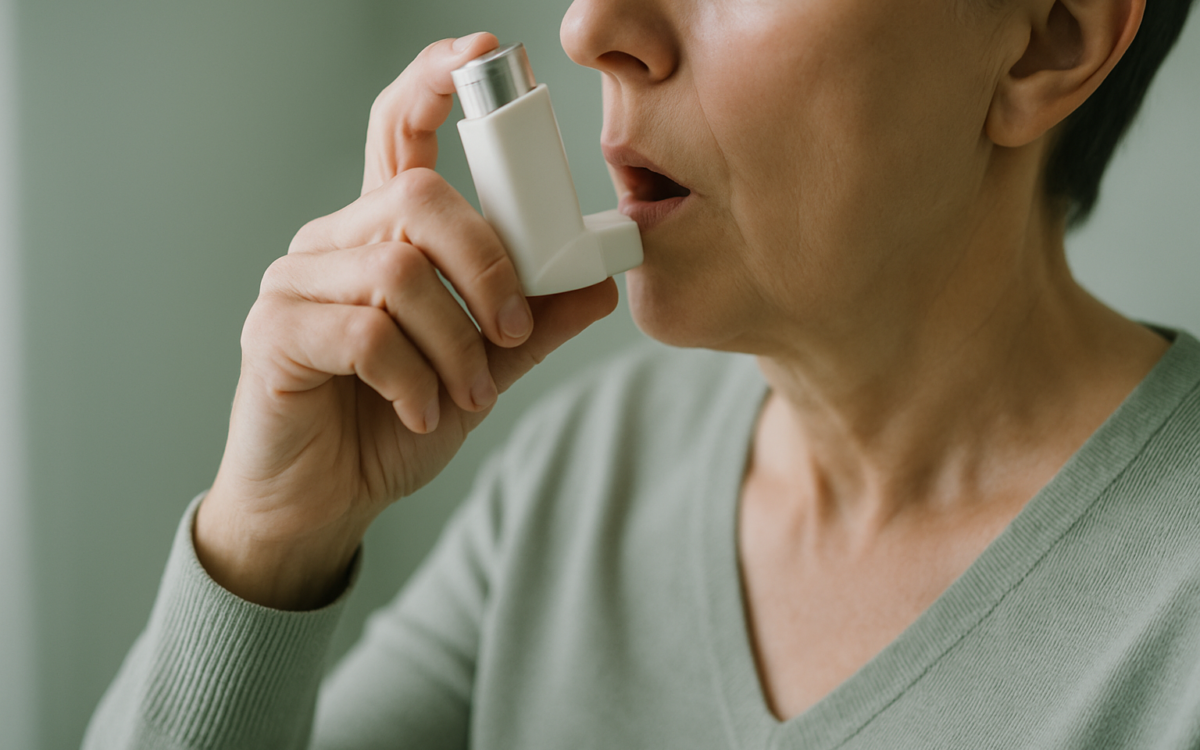
Respiratory reactive disease (RRD) is a term that describes various health issues affecting the lungs and airways. These conditions can make breathing difficult and may result from various triggers, including allergies, infections, and environmental factors. Understanding RRD is crucial for managing symptoms and improving quality of life. In this article, we will explore the types, causes, symptoms, and potential treatments for respiratory reactive disease.
What is respiratory reactive disease?
Respiratory reactive disease encompasses a range of conditions that cause the airways to react to certain stimuli, leading to inflammation and difficulty in breathing. The most common form of RRD is asthma, a chronic condition that affects millions of people. Other types may include reactive airway dysfunction syndrome (RADS) and exercise-induced bronchoconstriction. These conditions can vary in severity and can affect individuals of all ages.
Causes of respiratory reactive disease
Several factors can contribute to the development of respiratory reactive disease. These include:
- Allergens: Pollen, dust mites, pet dander, and mold are common triggers for respiratory issues, especially in allergic individuals.
- Infections: Viral and bacterial infections, such as the common cold or bronchitis, can exacerbate respiratory symptoms.
- Environmental irritants: Smoke, pollution, and strong odors can irritate the airways and lead to respiratory problems.
- Exercise: Physical activity can sometimes provoke symptoms, particularly in people with asthma.
Recognizing the symptoms
People with respiratory reactive disease may experience a variety of symptoms, which can range from mild to severe. Recognizing these symptoms early can help in managing the condition effectively. Common signs of RRD include:
- Wheezing or whistling sound when breathing
- Coughing, especially at night or during exercise
- Shortness of breath or a feeling of tightness in the chest
- Difficulty sleeping due to breathing issues
If you notice these symptoms, it’s essential to pay attention to their frequency and intensity.
Diagnosis of respiratory reactive disease
Diagnosing respiratory reactive disease often involves a consultation with a healthcare provider. They may conduct a physical examination and recommend tests such as:
- Pulmonary function tests: These tests measure how well your lungs are working and can help confirm conditions like asthma.
- Allergy testing: Identifying specific allergens can be crucial for managing symptoms.
- Chest X-rays: Imaging tests can rule out other causes of respiratory symptoms.
It is essential to provide your doctor with detailed information about your symptoms, triggers, and health history to help with accurate diagnosis.
Treatment options
While there is no cure for most types of respiratory reactive disease, several treatment options can help manage symptoms effectively. These may include:
- Medications: Inhalers containing bronchodilators or corticosteroids can reduce inflammation and open up the airways. Antihistamines may also be recommended for allergy-related symptoms.
- Allergen avoidance: Identifying and avoiding triggers is crucial. This may include using air purifiers, keeping the home clean, and avoiding outdoor activities during high pollen seasons.
- Allergy shots: For some, immunotherapy may help reduce sensitivity to allergens.
- Education and awareness: Learning to recognize triggers, using tracking tools, and following a personalized action plan can empower individuals to manage their condition more effectively.
For individuals considering treatment options beyond their local resources, exploring international patient services may provide access to specialized care and innovative therapies around the world.
Living with respiratory reactive disease
Living with a respiratory reactive disease can be challenging, but many people successfully manage their symptoms with the right strategies. Here are some helpful tips:
- Stay active: Engage in regular, moderate exercise that is appropriate for your condition.
- Practice good hygiene: Frequent handwashing can help prevent respiratory infections.
- Monitor air quality: Stay informed about air pollution levels, and take precautions during high pollution days.
- Work with your healthcare provider: Regular check-ups and open communication with your healthcare team can ensure that your treatment plan adapits as needed.
When to see a doctor
If you or someone you know is experiencing persistent or worsening symptoms suggestive of respiratory reactive disease, it’s important to seek medical attention. Signs that warrant a doctor’s visit include:
- Increased frequency of coughing or wheezing
- Severe shortness of breath
- Symptoms that are not responding to usual medications
- Worsening symptoms with known triggers
Conclusion
Understanding respiratory reactive disease is the first step toward effective management. Recognizing symptoms, identifying triggers, and working closely with healthcare providers can lead to better management and improved quality of life. Remember, every individual’s experience with respiratory reactive disease is unique, and personalized care is essential.
