
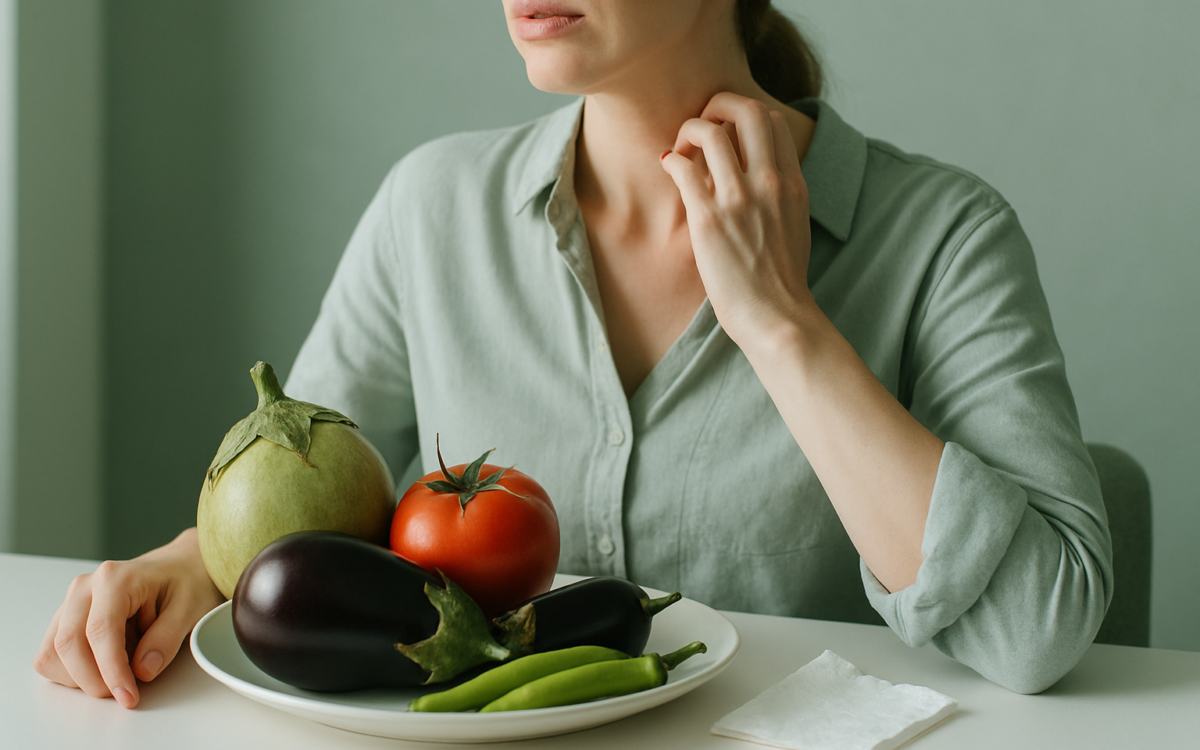
For many, the term “nightshade” might conjure images of mystery or folklore. However, for some individuals, it represents a serious health concern. Nightshade plants, including tomatoes, potatoes, eggplants, and peppers, belong to the Solanaceae family. While they are celebrated in culinary traditions around the world, they can also be potential allergens for certain people. This article delves into the allergy to nightshade plants, aiming to shed light on symptoms, diagnosis, management, and when to seek medical advice.
What Are Nightshade Plants?
Nightshade plants are a broad family of flowering plants that are found in a variety of climates and regions worldwide. They include:
- Tomatoes
- Potatoes
- Eggplants (aubergines)
- Bell peppers, chili peppers, and hot peppers
- Tobacco
While many of these foods are staples in various cuisines, their unique chemical compounds, including alkaloids and solanine, can trigger allergic reactions in some people. Understanding the components of these plants is crucial to grasp how they may affect allergies.
Symptoms of Nightshade Plant Allergy
Individuals allergic to nightshade plants may experience a range of symptoms, which can vary significantly from one person to another. The most common symptoms include:
- Skin reactions: hives, itching, or rashes
- Gastrointestinal issues: nausea, vomiting, or diarrhea
- Respiratory problems: nasal congestion, sneezing, or difficulty breathing
- Swelling: particularly of the face, lips, or tongue
In more severe cases, an allergy can lead to anaphylaxis, a life-threatening condition requiring immediate medical attention. If you suspect you have an allergy, documenting your symptoms and potential triggers can be beneficial for discussion with your healthcare provider.
How is Nightshade Allergy Diagnosed?
Diagnosing an allergy to nightshade plants typically involves several steps:
- Medical history: Your doctor will start by reviewing your medical history and discussing your symptoms. This information will help them understand your individual case better.
- Allergy testing: Skin or blood tests may be recommended to confirm specific allergies. Skin tests involve applying extracts from the suspected allergens to the skin to observe any reactions. Blood tests can measure your immune system’s response to certain allergens.
- Elimination diet: Your healthcare provider might suggest an elimination diet. This involves removing nightshade foods from your diet for a period to see if your symptoms improve, followed by a gradual reintroduction to gauge reactions.
Consultation with an allergist or immunologist can provide specialized insights and testing procedures to ensure accurate diagnosis and management.
Managing a Nightshade Allergy
Once diagnosed with an allergy to nightshade plants, managing the condition involves several key strategies:
- Avoidance: The primary approach to managing an allergy is avoidance of nightshade foods. Familiarize yourself with both common and less obvious nightshade sources, including processed foods, sauces, and spice blends.
- Read labels: Always check food labels for nightshade ingredients when grocery shopping, especially in processed foods. Being vigilant can prevent accidental exposure to allergens.
- Substitutes: Consider alternative foods that are safe and can provide similar nutritional benefits. For example, if you can’t consume tomatoes, try using squashes or carrots in recipes that call for them.
- Stay informed: Maintaining knowledge about nightshade plants and potential allergens can offer peace of mind. Consult resources like acibademinternational.com for international insights on treatments and management strategies.
It’s important to remember that while antihistamines can alleviate some allergy symptoms, they do not cure the underlying allergy and shouldn’t replace avoiding triggers.
Potential Complications of Nightshade Allergy
While most individuals with a nightshade allergy can manage their symptoms effectively with avoidance and preparedness, potential complications can arise. Anaphylaxis is the most serious risk, characterized by severe, rapid-onset allergic reactions that can lead to death if not treated promptly. Understanding the signs of anaphylaxis, such as difficulty breathing or swelling of the throat, is crucial.
Additionally, some people might not recognize the connection between their symptoms and their nightshade allergy, leading to prolonged discomfort. Consulting with a healthcare professional can help determine if they are related, facilitating better overall health management.
When to See a Doctor
If you suspect you have a nightshade allergy or if you experience severe or recurrent symptoms after consuming nightshade foods, consult a healthcare provider. Immediate medical attention is essential during any severe allergic reaction, particularly if you experience:
- Rapid onset of breathing difficulties
- Swelling of the throat or face
- Persistent or worsening symptoms
Your doctor can perform the necessary tests to confirm an allergy and help develop a management plan that suits your lifestyle.
Awareness and preparation are crucial when managing an allergy to nightshade plants. By understanding the risks and adopting effective management strategies, individuals can lead fulfilling lives and enjoy a diverse range of foods that are safe for their consumption.
