
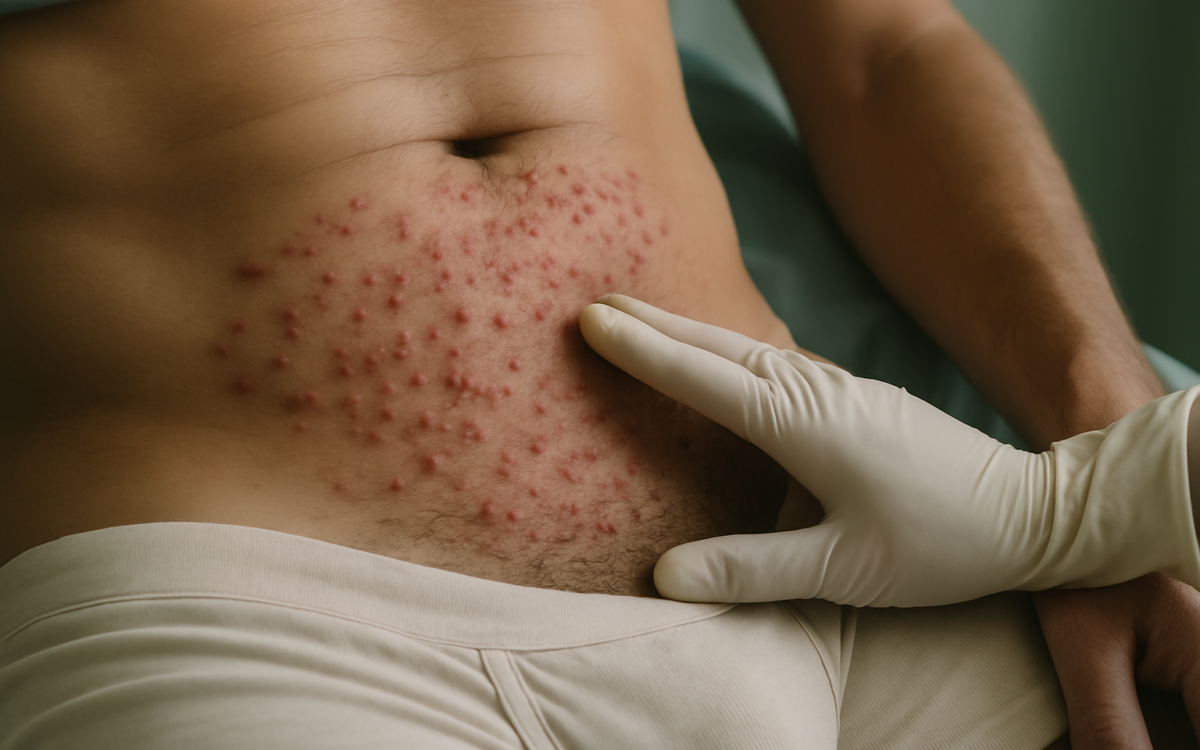
Rashes can be concerning, particularly when they appear unexpectedly. While many skin conditions can cause rashes, some may be linked to sexually transmitted infections (STIs). Understanding how these rashes manifest, what they may mean, and when to seek medical advice is crucial for your health.
What Is an STI-related Rash?
A rash associated with a sexually transmitted infection is typically a change in the skin’s appearance, which can vary widely in look and feel. Common characteristics include redness, bumps, blisters, or peeling skin. These rashes often appear in the genital area but may also affect other parts of the body, depending on the infection.
Common STIs That Cause Rashes
Several sexually transmitted infections can lead to rashes. Here are a few notable examples:
- Syphilis: This bacterial infection can cause a rash that often appears as red spots on the trunk or extremities. It’s usually painless and can occur after the initial stage of the infection.
- Herpes Simplex Virus (HSV): Genital herpes often presents with painful blisters that can rupture, leading to itchy sores. These blisters can also appear in the mouth during oral herpes outbreaks.
- HIV: In the early stages of HIV infection, some individuals may experience a rash that can resemble other conditions, such as psoriasis or eczema. This rash typically appears with flu-like symptoms.
- HPV: Certain strains of the human papillomavirus can lead to warts that may cause localized rashes. These typically arise in the genital area.
Identifying STI-related Rashes
Recognizing rashes that may be linked to STIs is vital for early detection and treatment. Here are some tips on how to identify STI rashes:
- Location: Pay attention to where the rash appears. STIs often affect the genital area, buttocks, or inner thighs, although some can spread more widely.
- Appearance: Observe the characteristics of the rash. Is it inflamed, sore, blistering, or scabbed? Each STI may have specific features.
- Accompanying Symptoms: Take note of any additional symptoms, like itching, pain, unusual discharge, or flu-like symptoms. These can provide helpful clues to the infection.
Common Symptoms to Watch For
Besides a rash, STIs often present several other symptoms. Being aware of these can help you determine if a rash may be STI-related:
- Unusual genital discharge (clear, cloudy, or bloody).
- Pain during urination or sexual activity.
- Swollen lymph nodes in the groin or pelvic area.
- Persistent fever or fatigue.
- Itching or irritation around the genital area.
Diagnosis and Testing
If you develop a rash and suspect it could be related to a sexually transmitted infection, it’s essential to consult a healthcare provider. They might conduct:
- A physical examination of the rash.
- Blood tests to check for specific STIs.
- Swabs taken from the affected area for further analysis.
Testing for STIs is important not only for your health but also for the safety of your partners. Early detection can lead to more effective treatment and reduce the risk of complications and transmission.
Treatment Options for STI-related Rashes
The treatment for a rash linked to an STI depends on the underlying infection:
- Antibiotics: Bacterial STIs like syphilis are usually treated with antibiotics. Timely treatment can resolve symptoms and prevent serious complications.
- Antiviral Medications: Conditions like genital herpes are treated with antiviral medications, which can help reduce the severity and frequency of outbreaks.
- Supportive Care: Some rashes may require topical treatments or other supportive care to alleviate discomfort.
Preventing STIs and Associated Rashes
Prevention is always the best approach. Here are some tips to reduce your risk of contracting STIs that may lead to rashes:
- Use Protection: Condoms can significantly reduce the risk of many STIs, although they don’t offer complete protection against all infections.
- Regular Testing: If you’re sexually active, especially with multiple partners, get tested regularly. This helps detect STIs early, even if symptoms are not present.
- Limit Sexual Partners: Reducing the number of sexual partners can lessen your risk of exposure to STIs.
- Open Communication: Discuss sexual health with your partner(s) openly to ensure everyone is informed and aware of any risks.
When to See a Doctor
It is important to seek medical attention if you experience:
- A new, unexplained rash in the genital area or elsewhere.
- Persistent itching, pain, or discomfort.
- Unusual discharge or symptoms accompanying the rash.
- Fever or any severe reactions.
Timely consultation with a healthcare professional can lead to appropriate diagnosis and treatment, ensuring both your health and that of your partners are managed effectively.
Rashes linked to sexually transmitted infections can cause worry, but understanding the types, causes, and preventive measures helps you stay informed and proactive. Always prioritize regular health check-ups and open conversations about sexual health with your doctor.
