
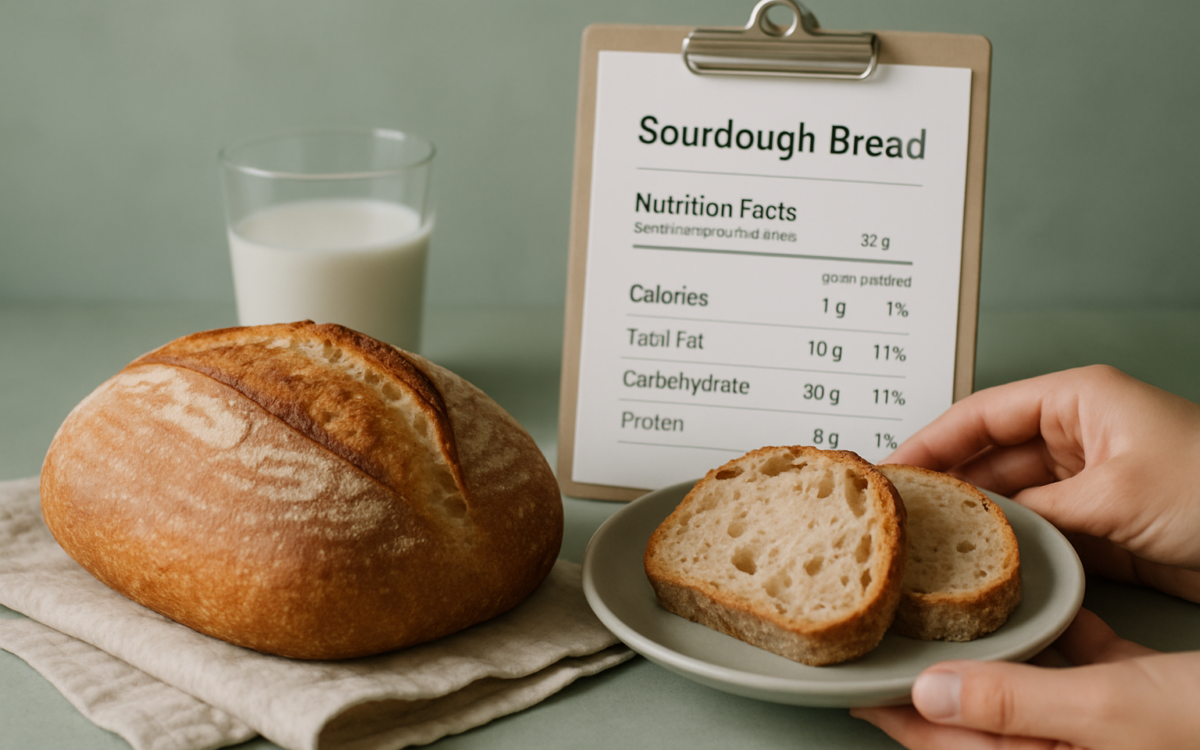
Sourdough bread has gained popularity in recent years, not only for its unique taste but also for its potential health benefits. Made through a fermentation process that uses wild yeasts and bacteria, sourdough bread stands out from conventional bread. If you’re curious about what’s inside this delicious loaf and how it stacks up nutritionally, you’re in the right place. Let’s dive into the nutrition facts of sourdough bread, its health benefits, and how it compares to other bread types.
The Basics of Sourdough Bread
Sourdough bread is created through a slow fermentation process. This method involves using a starter, which is a mix of flour and water fermented with wild yeast and lactic acid bacteria. The fermentation not only contributes to the bread’s tangy flavor but also affects its nutritional profile. Unlike commercial bread-making that typically uses quick-rise yeasts, sourdough’s natural fermentation can enhance digestibility and nutrient absorption.
Nutritional Profile of Sourdough Bread
To understand the nutrition facts, let’s look at a standard slice of sourdough bread (approximately 28 grams or 1 ounce):
- Calories: 70-80 calories
- Carbohydrates: 15-20 grams
- Protein: 2-3 grams
- Total Fat: 0.5 grams
- Saturated Fat: 0 grams
- Fiber: 1 gram
- Sugars: 0-1 grams
- Sodium: 150-200 milligrams
One of the key features of sourdough bread is its higher content of probiotics, which can be beneficial for gut health. The fermentation process not only helps break down phytates (compounds that can inhibit mineral absorption) but also increases the availability of nutrients like magnesium, zinc, and iron.
Health Benefits of Sourdough Bread
Sourdough bread may offer several health benefits thanks to its unique preparation:
- Improved Digestion: The presence of beneficial bacteria from the fermentation process can aid in digestion and promote gut health.
- Better Blood Sugar Control: Some studies suggest sourdough may lead to a lower glycemic index compared to regular bread, which can help in managing blood sugar levels. (NIH)
- Increased Nutrient Absorption: The fermentation process allows for better absorption of minerals, making sourdough a more nutrient-dense option.
- Lower Gluten Content: While sourdough is not gluten-free, the fermentation can break down gluten partially, making it easier to digest for some individuals with gluten sensitivities (not celiac disease).
Sourdough vs Other Bread Types
When comparing sourdough bread to other bread types, it’s essential to consider factors like ingredients, fermentation, and nutritional value.
Whole Grain Bread: Whole grain bread typically contains more fiber and nutrients than white bread, but sourdough may still have advantages due to its fermentation benefits.
White Bread: White bread is often made with refined flour and can lack many of the nutrients found in whole grain varieties. Sourdough offers a more complex flavor and potentially better health benefits.
Gluten-Free Bread: For those who require gluten-free options, sourdough can’t be an alternative since it contains gluten, but gluten-free sourdough options are available.
Overall, sourdough bread is often seen as a healthier choice due to its nutritional benefits compared to standard white or even some whole grain breads.
How to Enjoy Sourdough Bread
Sourdough bread can be a versatile addition to your diet. Here are a few popular ways to enjoy it:
- As a base for sandwiches or toast
- Pairs wonderfully with soups and stews
- Used in making French toast or bread pudding
- Enjoyed with spreads like butter, avocado, or hummus
Many opt for artisanal sourdough for a richer flavor and better texture, but even store-bought versions can provide a delightful taste experience.
Considerations and Tips
While sourdough can be a nutritious option, keep in mind the following:
- Portion size matters: Sourdough can be high in calories, so enjoying it in moderation is key.
- Watch for additives: Some commercially produced sourdough may contain preservatives or added sugars. Check the ingredient list.
- Dietary restrictions: If you have gluten intolerance or other dietary concerns, consult with a healthcare professional before incorporating sourdough into your diet.
When to See a Doctor
If you experience any adverse reactions after eating sourdough bread or if you have specific dietary concerns, it may be beneficial to consult your healthcare provider. Symptoms such as stomach pain, bloating, or other digestive issues may need professional guidance.
In summary, sourdough bread can be a nutritious and tasty choice for many, offering distinct health benefits through its unique fermentation process. Whether you’re indulging in a slice with your meal or enjoying it as toast, understanding its nutritional facts can help you make informed dietary decisions.
