
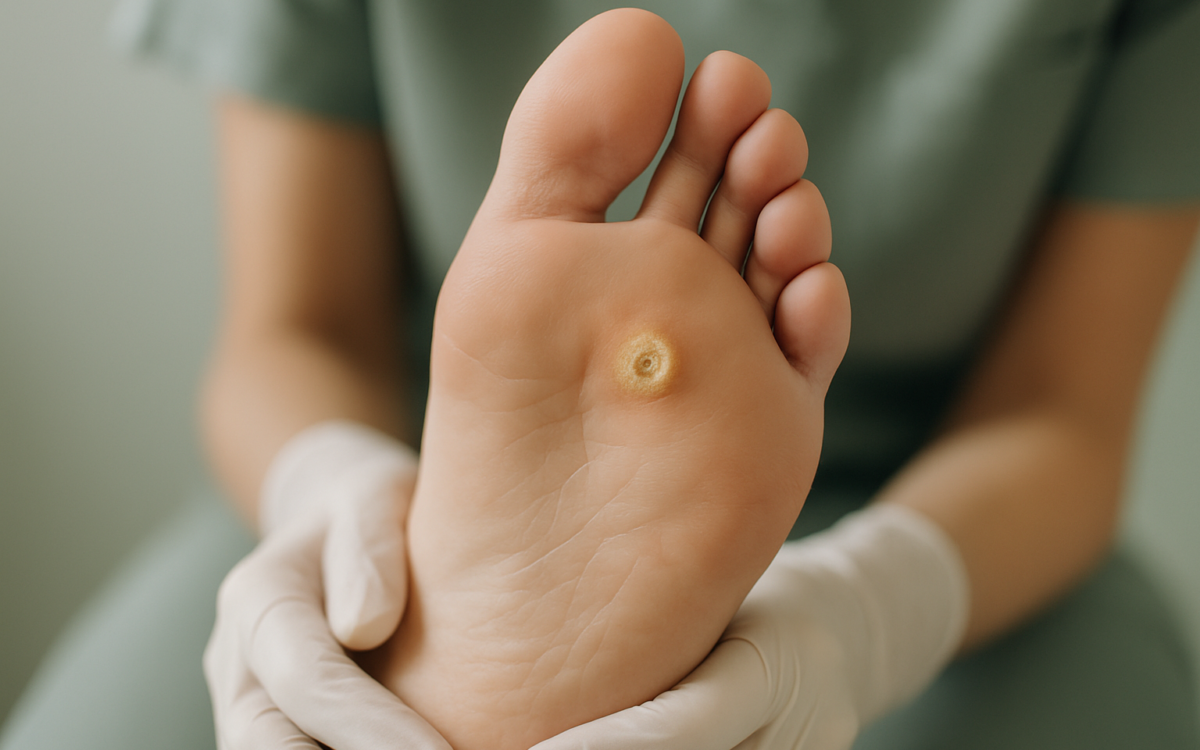
Seed corn on the foot, often referred to simply as ‘corns,’ can be an uncomfortable and persistent issue. These small, hardened areas of skin typically form due to friction or pressure, creating painful spots that can affect your daily life. Understanding the causes, symptoms, and treatment options for seed corn on the foot can empower you to take better care of your feet and maintain overall foot health.
What is Seed Corn?
Seed corn refers to a specific type of corn that develops on the foot, usually on the soles or between the toes. Unlike those that grow on the top of the toe, seed corns are flat and have a hard center surrounded by inflamed skin. They can develop in response to various factors, including ill-fitting shoes, repetitive actions, and foot deformities.
Causes of Seed Corn on the Foot
Understanding the underlying causes of seed corn is crucial in preventing their formation. Here are some of the most common reasons:
- Friction: Regular rubbing against shoes can lead to corns, especially if your footwear does not fit well.
- Pressure: Excess pressure on specific areas of the foot, often from walking habits or standing for long periods, can cause corns to form.
- Foot Deformities: Conditions like hammertoes or bunions can alter the way pressure is applied to your foot, thus leading to corns.
- Improper Footwear: High heels or shoes that are too tight can contribute significantly to the development of seed corn.
Symptoms of Seed Corn
Recognizing the symptoms of seed corn can lead to timely intervention. Common indicators include:
- A small, raised, hardened bump on the skin that may be surrounded by inflamed skin.
- Discomfort or pain in the area of the corn, especially when pressure is applied.
- Increased sensitivity to touch, making it uncomfortable to wear shoes.
- In some cases, a hard center can be observed under the layers of skin.
Treatment Options for Seed Corn
There are various treatment options available for seed corn, ranging from home remedies to professional medical assistance. The choice of treatment largely depends on the severity of the corn and individual preferences.
Home Remedies
For mild cases, several home remedies can help alleviate discomfort and promote healing:
- Soaking: Soak your feet in warm water to soften the corn, then gently file it down using a pumice stone.
- Moisturizers: Applying a good foot cream or lotion can help keep the skin soft and reduce pressure.
- Padding: Use protective pads or cushions over the affected area to reduce friction and discomfort.
Over-the-Counter Treatments
Your local pharmacy may offer over-the-counter treatments designed specifically for corns:
- Salicylic Acid: This works by softening the corn and promoting its removal. Follow the instructions carefully to avoid damaging surrounding skin.
- Corn Removers: These come in various forms, like pads or liquids, and can be effective in treating corns.
Professional Treatment
If home remedies and over-the-counter options aren’t effective, consulting a healthcare professional is advisable. A podiatrist can provide treatments such as:
- Corn Removal: A podiatrist can safely remove the corn using specialized tools, relieving pressure and pain.
- Footwear Guidance: They can also advise on proper footwear and orthotic devices to accommodate foot deformities.
- Assessment for Underlying Conditions: If corns are recurrent, a thorough evaluation may help identify any underlying issues that need to be addressed.
Preventing Seed Corn
Taking steps to prevent seed corn is vital for avoiding future occurrences. Consider these preventive measures:
- Choose the Right Footwear: Opt for shoes that provide adequate space and cushioning to your feet. Avoid overly tight shoes or high heels.
- Foot Hygiene: Keep your feet clean and well-moisturized to prevent skin thickening.
- Regular Foot Checks: Inspect your feet regularly for signs of distress and address issues promptly.
- Custom Orthotics: If you have foot deformities, consider consulting a professional about custom orthotic inserts to alleviate pressure.
When to See a Doctor
If you have persistent pain, swelling, or signs of infection like redness or pus, it’s essential to consult a healthcare professional. Additionally, individuals with diabetes or circulatory issues should seek medical advice sooner rather than later, as they are at a higher risk for complications related to foot problems.
Conclusion
Seed corn on the foot can be an uncomfortable experience, but understanding its causes and treatment options can lead to effective relief. By practicing proper foot care and making smart choices regarding footwear, you can manage and prevent seed corn effectively. If problems continue, always consult a healthcare professional for tailored advice and treatment.
