
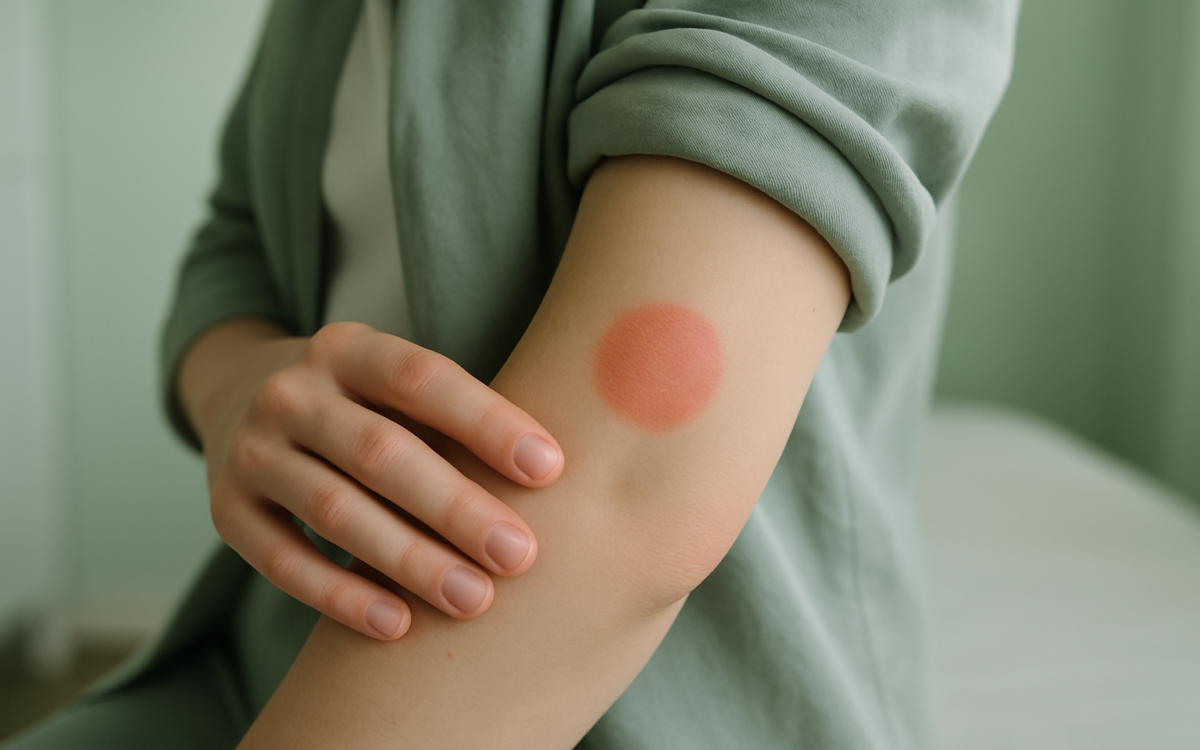
While our skin can sometimes tell us stories about what’s happening in our bodies, not all signs are alarming. The appearance of a red circle on the skin that isn’t itchy can be puzzling and concerning. Understanding what this could mean is essential for determining if medical attention is needed, or if it’s simply a minor issue. Let’s delve into common causes, when to seek help, and more about skin health.
Common Causes of Non-Itchy Red Circles
Several non-itchy red circles can pop up on the skin, each bearing its own significance. You might be surprised to learn that a range of conditions and factors could lead to these skin changes.
1. Cherry Angiomas
Cherry angiomas are benign vascular growths composed of small blood vessels, appearing as red or purple spots on the skin. They are common, especially in older adults, and do not cause discomfort, itching, or pain. These may vary in size and often appear on the torso, arms, and legs. Their appearance is generally harmless, though one should monitor them for any changes.
2. Petechiae
Petechiae are tiny, flat red or purple spots that result from bleeding under the skin. They may appear as a red circle, but unlike bruises, they do not change color over time. Petechiae warrant medical attention since they could indicate an underlying health issue, such as a blood clotting disorder or viral infection. If you notice petechiae, it is important to consult a healthcare provider.
3. Erythema Multiforme
This condition is characterized by the sudden onset of red patches, often resembling circles, on the skin. While it typically may be related to an infection or medication, not all cases cause itching. It can also be associated with the herpes simplex virus. Although some individuals may have mild symptoms, severe cases can lead to complications, so observing for other symptoms is crucial.
When To Be Cautious
Although many non-itchy red circles are harmless, paying attention to other accompanying symptoms is essential. Conditions such as ringworm or skin infections can sometimes start as non-itchy spots before triggering irritation. Look out for:
- Changes in color or size of the circle.
- Swelling or warmth around the circle.
- Development of new symptoms like fever or fatigue.
If these signs occur, take note, as they can help your healthcare provider with a diagnosis.
Diagnostic Approaches
If you’re concerned about a red circle on your skin that isn’t itchy, a medical professional can help you figure out what’s going on. Diagnosis may involve:
- Visual Inspection: Many dermatological issues can be evaluated through a thorough skin examination.
- Medical History: Providing your doctor with information about recent illnesses, medications, and any other noticeable changes can be helpful.
- Skin Biopsy: In some cases, your doctor might recommend a biopsy, which involves taking a small sample of skin for laboratory analysis to rule out serious conditions.
Medical professionals can interpret the results to determine a proper course of action.
Self-Care and Monitoring
For many benign conditions like cherry angiomas, self-care is often minimal. However, monitoring the affected area is vital. Keep an eye on any changes in size, shape, or color, and ensure you protect your skin from sun exposure with sunscreen, as UV light can worsen various skin abnormalities.
Maintaining good skin hygiene can also help prevent any secondary conditions that could arise if the skin is irritated or injured. Use gentle cleansers and moisturizers, especially if you have dry skin or other dermatological issues.
Understanding Skin Health
Our skin reflects our overall health and can announce when something is a bit off. Engaging in a healthy lifestyle can contribute to better skin health:
- Hydration: Drinking adequate water keeps your skin hydrated and helps flush toxins.
- Healthy Diet: Consuming a balanced diet rich in antioxidants (found in fruits and vegetables) and healthy fats (like those from fish and nuts) can boost skin health.
- Regular Exercise: Physical activity improves circulation, helping deliver essential nutrients to your skin.
Additionally, it might be useful to minimize stress through practices such as meditation or yoga, as stress can also manifest on the skin.
When to See a Doctor
Even if your red circle is not itchy, it’s crucial to know when to seek medical advice. Consider visiting a healthcare provider if:
- The circle changes in size, shape, or color.
- You develop additional symptoms like fever, fatigue, or significant swelling.
- You have a history of skin cancer or other dermatological conditions.
Overall, while many non-itchy red circles on the skin are benign, it is essential to remain vigilant about skin changes and consult a healthcare professional when in doubt.
For more detailed information about skin conditions, consider referring to reliable medical resources such as the Mayo Clinic or the National Institutes of Health.
