
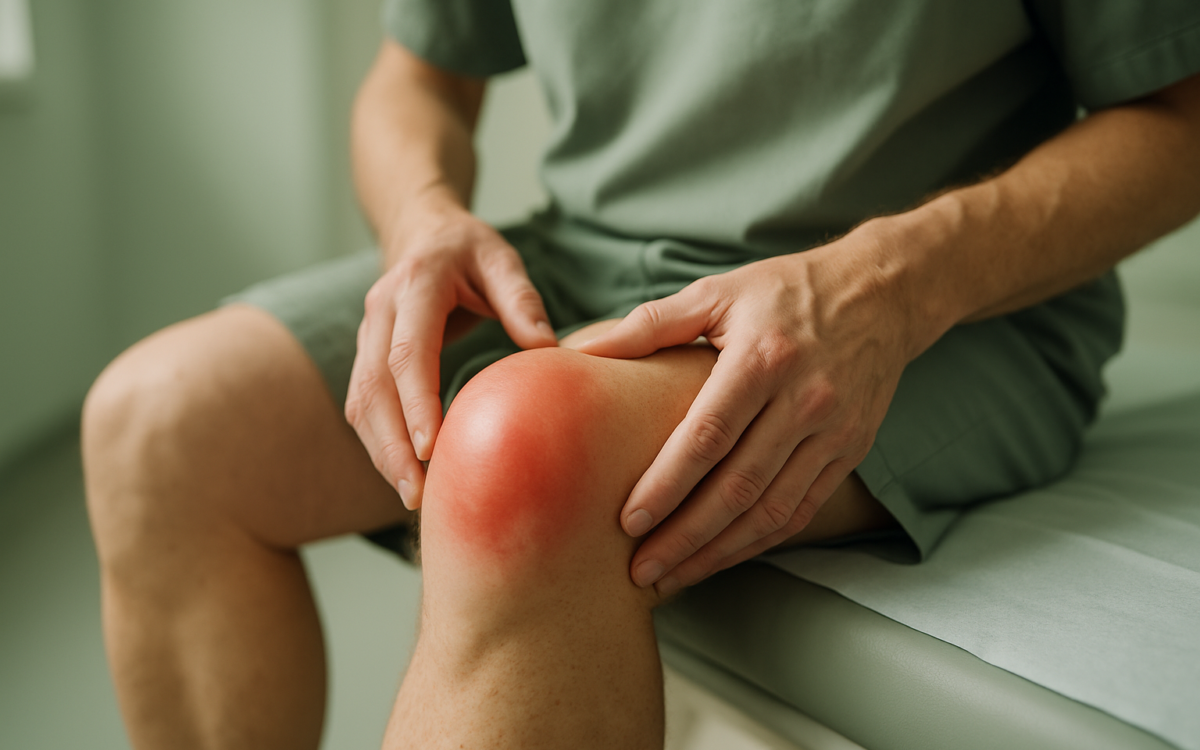
Gouty arthritis, commonly referred to simply as gout, is a form of inflammatory arthritis that usually hits suddenly and intensely. One of the most affected joints is the knee, which can cause severe pain and discomfort. Understanding gouty arthritis in the knees is crucial for those experiencing this painful condition, as it can significantly impact one’s quality of life. In this article, we’ll cover the causes, symptoms, and management strategies for gouty arthritis in the knees.
What is gouty arthritis?
Gout is a type of arthritis caused by the buildup of uric acid in the blood, leading to sharp crystals forming in the joints. While it can affect any joint, it most commonly affects the big toe. However, it can also manifest in the knees, causing intense pain and inflammation.
Causes of gouty arthritis in knees
The primary cause of gouty arthritis is hyperuricemia, which occurs when there is too much uric acid in the bloodstream. Several factors contribute to this condition:
- Diet: Consuming foods high in purines, such as red meat, shellfish, and certain alcoholic beverages, can elevate uric acid levels.
- Obesity: Excess body weight can increase uric acid production and decrease its elimination from the body.
- Dehydration: Insufficient water intake can lead to higher concentrations of uric acid in the blood.
- Medical conditions: Certain diseases, like kidney disease and high blood pressure, can interfere with uric acid elimination.
Symptoms of gouty arthritis in knees
Gout attacks often come on rapidly and can be extremely painful. Common symptoms of gout in the knees include:
- Severe pain: The pain often starts suddenly and may be described as excruciating.
- Swelling: The affected knee may become swollen and tender to touch.
- Redness and heat: The skin over the knee joint may appear red and feel warm.
- Limited movement: It may become difficult to move the knee without discomfort.
Diagnosis of gouty arthritis
To diagnose gouty arthritis, a healthcare provider will typically perform a physical examination and may order one or more of the following tests:
- Joint fluid analysis: This involves extracting fluid from the knee joint with a needle to look for uric acid crystals.
- Blood tests: Measuring uric acid levels in the blood can help confirm hyperuricemia.
- X-rays: Imaging may be used to examine the joint and exclude other conditions or complications.
More detailed examinations are crucial for an accurate diagnosis, as symptoms may mimic other types of arthritis.
Management and treatment options
Managing gouty arthritis in the knees focuses on alleviating pain and preventing future attacks. Here are common approaches:
- Medications: Nonsteroidal anti-inflammatory drugs (NSAIDs) can relieve pain during acute attacks. Doctors may also prescribe medications to lower uric acid levels over time.
- Lifestyle changes: Adopting a healthier diet low in purines, drinking plenty of water, and maintaining a healthy weight can help manage uric acid levels.
- Physical therapy: Gentle exercises and stretches can aid in maintaining joint function and flexibility.
Consulting with a healthcare professional for tailored advice is essential, as they can provide specific recommendations based on individual health needs.
Preventing future gout attacks
Once you’ve experienced an attack of gouty arthritis, you may want to make lifestyle changes to help prevent future episodes:
- Hydrate: Drinking enough water is vital for flushing out uric acid.
- Limit purine-rich foods: Foods like organ meats, certain fish, and sugary drinks should be limited.
- Moderate alcohol intake: Alcohol can increase uric acid levels, so moderation is key.
- Weight management: Achieving and maintaining a healthy weight can significantly reduce the risk of additional gout attacks.
When to see a doctor
If you experience sudden, severe pain in your knee, especially if it is accompanied by swelling and redness, seeking medical advice is important. A healthcare professional can provide an accurate diagnosis and recommend the appropriate treatment plan to manage your symptoms.
Conclusion
Gouty arthritis in the knees can be an excruciating condition, but understanding its causes, symptoms, and management can empower those affected. Effective treatment plans can lead to better quality of life. By making informed lifestyle choices and consulting a healthcare provider, individuals can manage their symptoms and potentially prevent future attacks. If symptoms arise, don’t hesitate to reach out for medical guidance.
