
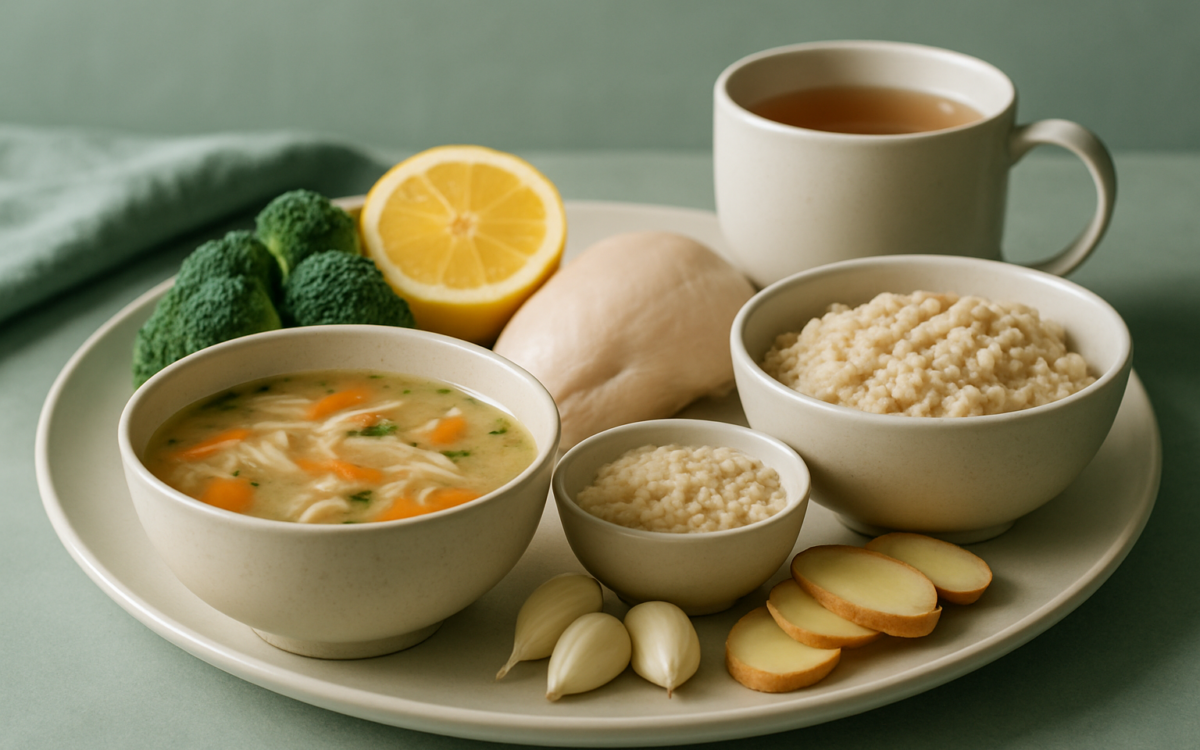
When you’re feeling under the weather, the last thing you might want to think about is food. However, what you eat can play an essential role in your recovery. The right foods can provide your body with the nutrients it needs to combat illness and help you feel better more quickly. This article explores some of the best foods to eat when you’re sick, offering comfort and nourishment.
1. Hydrating Fluids
Staying hydrated is crucial when you’re sick, especially if you have a fever, vomiting, or diarrhea. Fluids can help thin mucus, alleviate congestion, and prevent dehydration. Here are some great options:
- Water: Plain water is always a good choice.
- Herbal teas: Teas such as ginger or peppermint can soothe your stomach.
- Broth: Chicken or vegetable broth not only provides hydration but also essential nutrients.
Broths are easy to digest and can help replenish lost electrolytes. Additionally, you can add some spices or vegetables to make it more nutritious.
2. Fruits Rich in Vitamin C
Vitamin C is known for its immune-boosting properties. Eating foods high in this vitamin can support your body in fighting off infections. Consider including:
- Citrus fruits: Oranges, grapefruits, and lemons are all excellent sources of vitamin C.
- Berries: Strawberries, blueberries, and blackberries are rich in antioxidants.
- Kiwis: These small fruits pack a big punch when it comes to vitamin C content.
These fruits are not only beneficial but also refreshing, making them an easy addition to your diet when you’re unwell.
3. Easy-to-Digest Grains
When you’re sick, your digestive system might be sensitive. Opting for easy-to-digest grains can provide energy without overwhelming your stomach. Good options include:
- Rice: Plain rice is mild and gentle on the stomach, making it a staple for many.
- Oatmeal: A warm bowl of oatmeal provides comfort and valuable nutrients.
- Toast: Whole grain or white toast can be a source of carbohydrates when you can’t handle heavy meals.
Eating these foods can give your body the energy it needs to heal. You can try pairing oatmeal or rice with some fruits for extra nutrition and flavor.
4. Comforting Soups and Stews
There’s a reason chicken soup is a traditional remedy for illness. Soups and stews are not only warm and soothing, but they often combine several beneficial ingredients:
- Proteins: Ingredients like chicken or beans provide essential amino acids.
- Vegetables: Carrots, celery, and leafy greens are full of vitamins and minerals.
- Spices: Adding herbs and spices can enhance flavor and provide additional health benefits.
Many cultures around the world have their versions of nourishing soups. For those who may consider exploring international options, treatment in Turkey often includes rich broths filled with spices, providing both comfort and nutrients.
5. Probiotic Foods
Your gut health can significantly impact your immune system, so incorporating probiotic foods may help your body recover. Consider eating:
- Yogurt: Look for yogurt with live active cultures for maximum benefits.
- Kefir: This fermented milk drink is packed with probiotics.
- Sauerkraut: Fermented cabbage can be a tasty side dish that boosts gut health.
Probiotics can support your digestive system and overall health, which is beneficial when you’re feeling ill.
6. Protein Sources
Protein is vital for healing, especially when your body is fighting an illness. Good sources of protein include:
- Lean meats: Chicken, turkey, and fish are excellent choices.
- Legumes: Beans, lentils, and chickpeas are great sources of plant-based protein.
- Nuts and seeds: These can be added to meals or eaten as snacks for additional protein.
Including adequate protein in your diet supports muscle repair and immune function, both of which are crucial during recovery.
When to See a Doctor
If your symptoms persist or worsen, it’s important to consult a healthcare professional. Seek medical attention if you experience severe symptoms such as high fever, difficulty breathing, chest pain, or prolonged vomiting. These can be signs of a more serious condition that requires immediate care.
In conclusion, while food can’t cure an illness, the right nourishing choices can help you feel better and support your recovery. Remember to listen to your body and choose comfort foods that also provide essential nutrients. Take care of yourself, and if you’re ever unsure, don’t hesitate to reach out for professional medical advice.
