
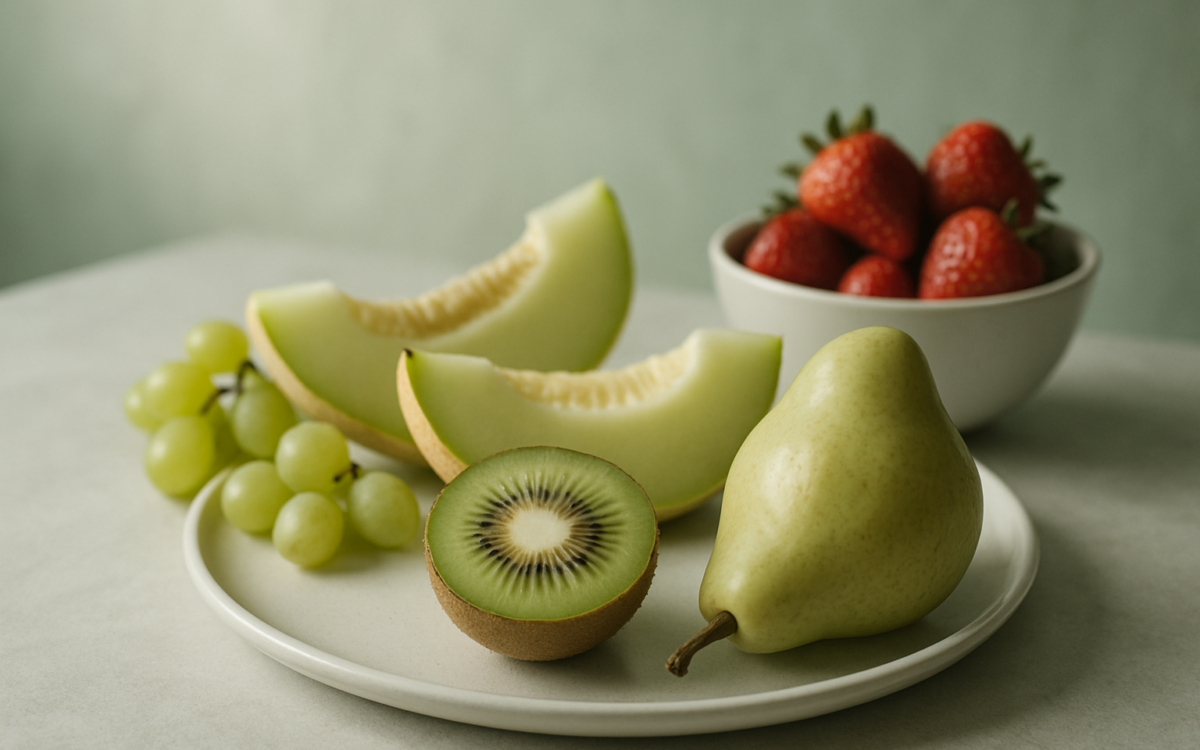
Are you looking for healthy snacks that satisfy your sweet tooth without breaking your calorie bank? If so, low-calorie fruits might be the perfect addition to your diet. Packed with vitamins, minerals, fiber, and antioxidants, these fruits are not only delicious but also help you manage your weight and health. In this article, we will explore various low-calorie fruits, their health benefits, and ways to incorporate them into your meals and snacks.
What Makes a Fruit Low-Calorie?
Fruits are categorized as low-calorie foods when they are low in sugar and high in water content. This means they provide fewer calories compared to other food options while still delivering essential nutrients. Choosing low-calorie fruits can help you feel full and satisfied without consuming too many calories, making them excellent for weight management.
Top Low-Calorie Fruits to Include in Your Diet
- Watermelon: With about 30 calories per 100 grams, watermelon is refreshing and hydrating. It’s perfect for hot days and can be enjoyed in salads, smoothies, or simply sliced.
- Cucumbers: Technically a fruit, cucumbers contain around 16 calories per 100 grams. They make a great addition to salads or can be eaten with a low-calorie dip.
- Strawberries: At approximately 32 calories per 100 grams, strawberries are not only low in calories but also high in vitamin C and antioxidants, making them a nutritious choice.
- Blueberries: These tiny powerhouses have about 57 calories per 100 grams. They are rich in vitamins and may help reduce inflammation and improve heart health.
- Peaches: Juicy and sweet, peaches have around 39 calories per 100 grams. They are rich in vitamins A and C and can be enjoyed fresh, grilled, or in smoothies.
Health Benefits of Low-Calorie Fruits
Incorporating low-calorie fruits into your diet offers numerous health benefits:
- Weight Management: Their low-calorie count and high water and fiber content can help you feel fuller for longer, reducing overall caloric intake.
- Rich in Nutrients: Many low-calorie fruits are rich in essential vitamins (like vitamin C and A) and minerals that are crucial for general health.
- Antioxidant Properties: Many fruits contain antioxidants, which are vital in fighting free radicals and reducing the risk of chronic diseases.
- Digestive Health: High fiber content in fruits aids digestion, preventing constipation and promoting gut health.
Creative Ways to Enjoy Low-Calorie Fruits
Finding ways to enjoy low-calorie fruits can make healthy eating fun! Here are some creative ideas:
- Fruit Salads: Mix various low-calorie fruits for a refreshing salad. Add a squeeze of lime for a zesty kick.
- Smoothies: Blend your favorite low-calorie fruits with yogurt and spinach for a nutrient-packed smoothie.
- Add to Yogurt or Oatmeal: Boost your breakfast by adding low-calorie fruits to your yogurt or oatmeal.
- Frozen Treats: Freeze low-calorie fruits and blend them for a home-made sorbet or smoothie bowl.
Portion Control with Fruits
While low-calorie fruits can be healthy, it’s still important to practice portion control. Eating in moderation helps maintain your overall caloric goals. Consider these tips:
- Serving Sizes: A typical serving of fruit is about one medium-sized piece or half a cup of chopped fruit.
- Pairing Fruits: Combine fruits with proteins or healthy fats (like nuts or yogurt) to help keep your blood sugar stable.
- Track Your Intake: Use an app or journal to note how much fruit you’re consuming, helping stay within daily caloric goals.
When to See a Doctor
If you experience unusual reactions to certain fruits, like allergies, digestive issues, or other health problems, consult your healthcare provider. Additionally, if you’re making significant changes in your diet, it’s always wise to seek guidance from a healthcare professional.
Conclusion
Low-calorie fruits are a flavorful and nutritious option for anyone looking to enhance their diet. With their health benefits and endless ways to enjoy them, incorporating these fruits can help you achieve a balanced lifestyle. So, grab some strawberries, peaches, or watermelons and enjoy the sweet side of health!
