
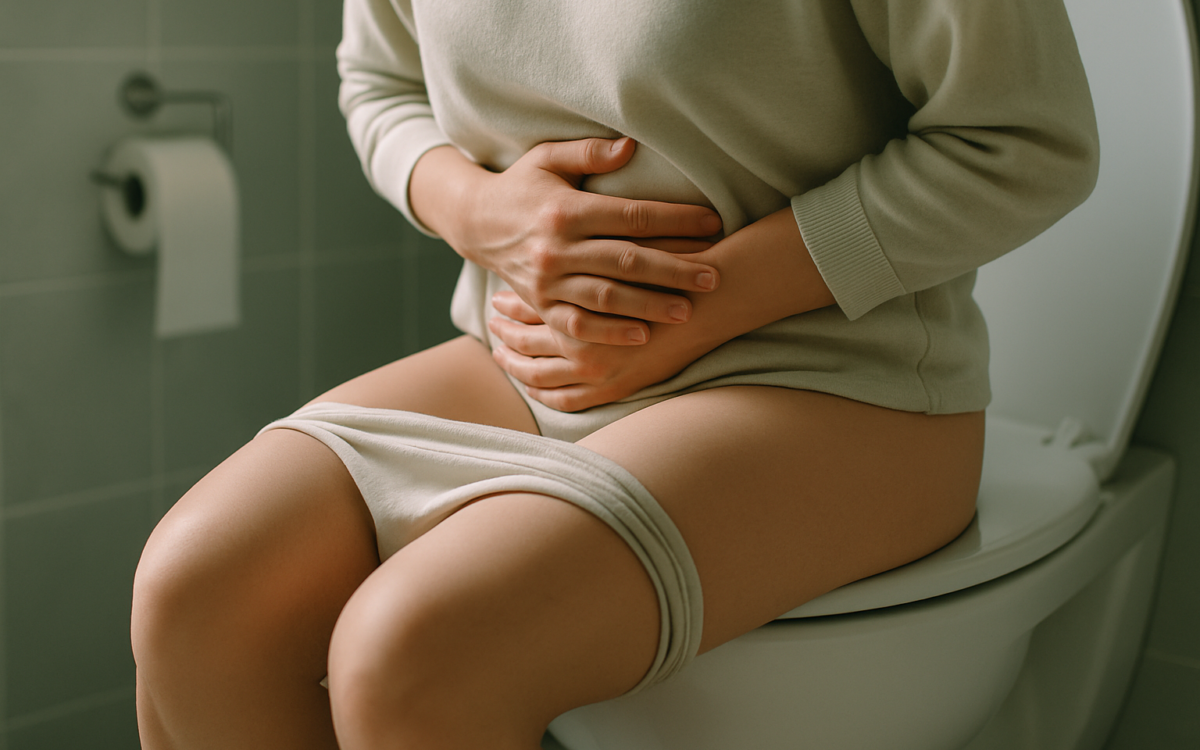
Experiencing pain during bowel movements can be alarming and uncomfortable. Many individuals brush it off as a part of life, but persistent discomfort is worth investigating. In this article, we will explore the various reasons why you might feel pain when you poop, what symptoms to watch for, and when it’s time to consult a healthcare professional.
Common Causes of Painful Bowel Movements
Several factors can contribute to the pain you experience during bowel movements. Understanding these can help you make informed decisions about your health.
1. Constipation
Constipation is one of the leading causes of painful bowel movements. When stool is hard and dry, it can make passing it uncomfortable and even painful. This can occur due to a lack of fiber in your diet, inadequate fluid intake, or lack of physical activity. According to the National Institutes of Health, dietary changes and lifestyle modifications can often alleviate constipation.
2. Hemorrhoids
Hemorrhoids, or swollen veins in the rectal area, can lead to significant pain during bowel movements. They may cause bleeding, itching, and discomfort. Factors like straining during bowel movements, prolonged sitting, or a sedentary lifestyle can aggravate hemorrhoids. The Mayo Clinic provides valuable information on managing and preventing hemorrhoids effectively.
3. Anal Fissures
Anal fissures are small tears in the lining of the anus, often caused by the passage of hard stools. They can result in sharp pain during and after bowel movements. If you notice bright red blood on the toilet tissue, it may be a sign of an anal fissure. These fissures can sometimes take time to heal, and maintaining a diet rich in fiber and adequate hydration can ease the process.
Less Common Causes of Pain During Bowel Movements
While common conditions are often the culprits, other underlying issues can also lead to painful bowel movements.
1. Inflammatory Bowel Disease (IBD)
Conditions like Crohn’s disease or ulcerative colitis fall under the umbrella of inflammatory bowel disease. These disorders can cause severe abdominal pain, diarrhea, and rectal bleeding. The Centers for Disease Control and Prevention provides insights on symptoms to monitor and the importance of seeking medical attention for these conditions.
2. Gastrointestinal Infections
Infections of the gastrointestinal tract can lead to painful bowel movements as well. They can be caused by viruses, bacteria, or parasites, leading to inflammation and discomfort in the digestive system. If you’ve been experiencing fever, severe stomach cramps, or prolonged diarrhea alongside pain, you should consult a healthcare professional.
Pain Related to Lifestyle Choices
Your daily habits can also affect bowel health, leading to painful experiences when you poop.
1. Diet
Your diet plays a crucial role in your digestive health. Low fiber intake can result in hard stools and constipation, while consuming excessive fatty or processed foods can lead to digestive distress. Incorporating a variety of fruits, vegetables, and whole grains in your meals can help maintain regularity and comfort.
2. Hydration
Staying hydrated is essential for smooth bowel movements. Dehydration can lead to hard stools, making them difficult to pass. Aim to drink plenty of water throughout the day, especially if you’re consuming fiber-rich foods.
When to See a Doctor
It’s important to pay attention to your body and recognize when it’s time to seek professional help. You should consider seeing a doctor if:
- You experience severe or persistent pain during bowel movements.
- You notice blood in your stool or on toilet paper.
- Your bowel habits change significantly, such as prolonged diarrhea or constipation.
- You have accompanying symptoms like fever, vomiting, or unexplained weight loss.
These can be signs of more serious conditions that require evaluation and treatment.
Conclusion
Pain during bowel movements can be a symptom of various issues, ranging from common concerns like constipation and hemorrhoids to more serious conditions like inflammatory bowel disease. Understanding the reasons behind your discomfort can empower you to take action, whether through lifestyle changes or consulting with a healthcare provider. If the pain persists or if other troubling symptoms arise, it’s essential to seek professional advice to ensure your digestive health remains on track.
