
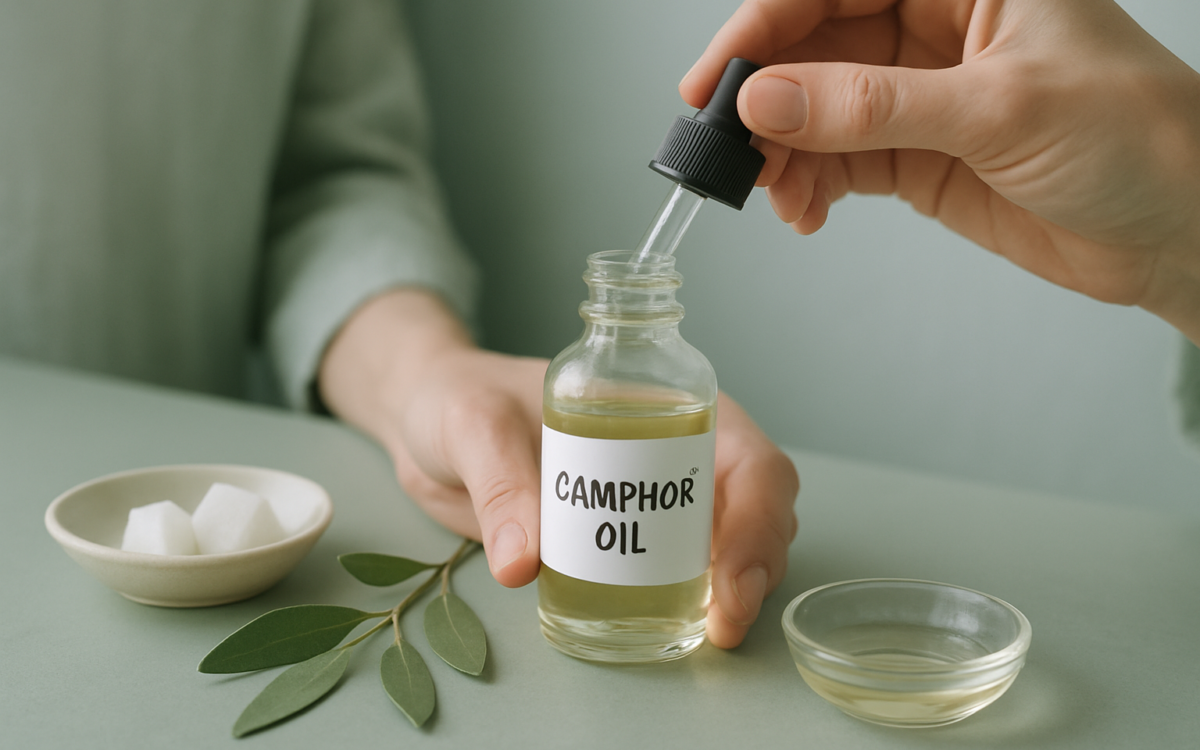
Camphor oil is a fascinating natural substance derived from the wood of the camphor tree. It has a long history of use in traditional medicine and is popular in various cultures due to its potential health benefits. From soothing sore muscles to acting as a natural insect repellent, camphor oil offers a variety of uses that can enhance wellbeing. However, it’s essential to approach this oil with an understanding of its properties, benefits, and precautions. In this article, we’ll delve into the world of camphor oil and explore its many advantages.
What Is Camphor Oil?
Camphor oil is extracted from the wood of the camphor tree, scientifically known as Cinnamomum camphora. The oil is often colorless and has a characteristic strong aroma. It has been used for centuries in practices ranging from traditional medicine to cooking. In modern times, its applications have expanded into cosmetics and personal care products, thanks to its unique properties.
Health Benefits of Camphor Oil
Camphor oil is often celebrated for its potential health benefits. Here are some of the most notable:
- Muscle and Joint Pain Relief: One of the most common uses of camphor oil is for alleviating muscle and joint pain. Its cooling sensation can help reduce inflammation and boost circulation, making it a popular choice for topical ointments and rubs.
- Respiratory Health: Camphor is often found in products meant to relieve coughs and congestion. When inhaled, the oil may help clear nasal passages, making it easier to breathe and providing relief from colds and allergies.
- Relaxation and Stress Relief: The strong aroma of camphor oil is thought to have calming effects on the mind. Many people use it in aromatherapy to reduce stress and anxiety.
- Insect Repellent: Camphor oil has natural insect-repelling properties. It is often used in homemade repellents to keep pests like mosquitoes and ants away.
- Antimicrobial Properties: Some studies suggest that camphor oil may possess antimicrobial characteristics, which could help in maintaining cleanliness in various settings, although more research is needed.
How to Use Camphor Oil Safely
While camphor oil has many potential benefits, it’s important to use it safely. Here are some guidelines to ensure proper use:
- Dilution: Camphor oil should be diluted with a carrier oil, such as coconut or olive oil, before topical application. This reduces the risk of skin irritation and enhances absorption.
- Patch Test: Before using camphor oil on a larger area of skin, conduct a patch test by applying a small amount to a less sensitive area. Wait 24 hours to check for any adverse reactions.
- Avoid Ingestion: Do not ingest camphor oil, as it can be toxic in large amounts. It is intended for external use only.
- Keep Away from Children: Camphor oil should be stored out of reach of children, as it can pose significant health risks if inhaled or consumed.
Traditional and Modern Uses
Camphor oil has found its niche in various traditional practices around the world. In addition to its medicinal applications, it is often used in:
- Cooking: In some cultures, camphor is used sparingly in food for flavoring. However, this practice is not common in Western cuisine and should be approached with caution.
- Religious Ceremonies: Camphor is often burned in rituals and ceremonies for its fragrant smoke, which is believed to purify the surroundings.
- Cosmetics: You might find camphor oil in products like lotions, soaps, and even perfumes due to its fragrance and potential skin benefits.
- Aromatherapy: The use of camphor oil in diffusers or inhalation therapies is gaining popularity as a natural remedy for various ailments, especially stress and tension.
Precautions and Side Effects
While camphor oil may offer numerous benefits, it’s crucial to be aware of its potential side effects:
- Skin Reactions: Some individuals may experience allergic reactions, including redness, itching, or burning sensations.
- Respiratory Issues: Inhaling camphor oil in large amounts can lead to respiratory distress. Ensure proper ventilation when using it in aromatherapy.
- Pregnancy and Nursing: Pregnant or nursing women should avoid using camphor oil without consulting a healthcare provider, as its effects on fetal health are not well studied.
- Pre-existing Conditions: Those with asthma or similar respiratory issues should consult a physician before using camphor oil, as it can exacerbate breathing difficulties.
When to See a Doctor
If you experience severe skin reactions, difficulty breathing, or any other concerning symptoms after using camphor oil, seek medical attention immediately. It’s always wise to consult with a healthcare professional before starting any new natural remedy, especially if you have pre-existing health conditions or are pregnant.
Overall, camphor oil presents a range of potential benefits, from pain relief to respiratory support. By using it safely and understanding its applications, you can explore the wonders of this remarkable oil. Always prioritize safety and be mindful of how your body responds to any new treatment.
