
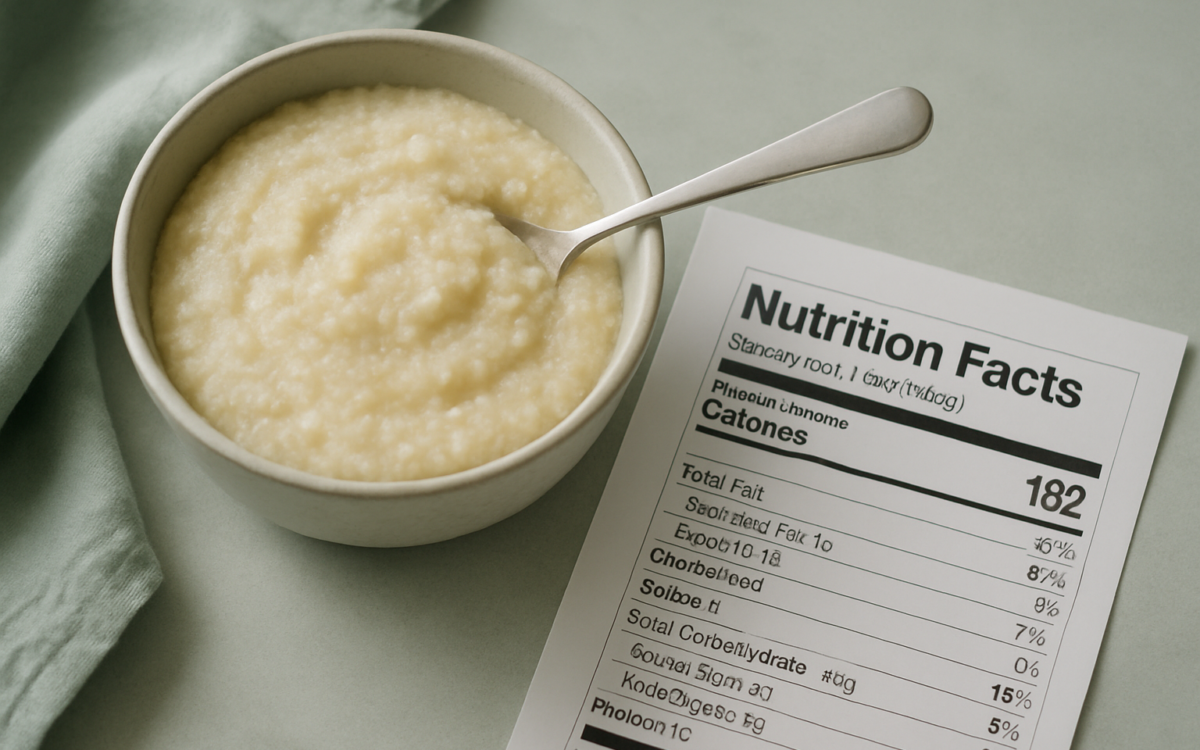
Grits, a staple in Southern cuisine, have a rich history and are often enjoyed for breakfast or as a side dish. Made from ground corn, these versatile grains offer a comforting, creamy texture that’s hard to resist. But beyond their delicious taste, what do grits have to offer in terms of nutrition? Let’s dive deeper into the nutrition facts of grits and explore their health benefits.
What are grits?
Grits are made from hominy, which is corn that has undergone a process called nixtamalization. This process involves soaking the corn in an alkaline solution, making the nutrients more bioavailable. Grits can be classified into two main types: white grits and yellow grits, depending on the corn used. Each type can vary slightly in taste and nutritional content, but both are excellent sources of carbohydrates and provide various nutrients.
Nutritional profile of grits
When it comes to nutrition, grits are primarily a source of carbohydrates, which are essential for energy. A one-cup serving of cooked grits typically contains:
- Calories: 150
- Carbohydrates: 30 grams
- Protein: 3 grams
- Fat: 1 gram
- Fiber: 1 gram
- Vitamins and minerals: B vitamins, iron, magnesium, and phosphorus
While grits are not a significant source of protein, they are well-balanced with complex carbohydrates. The fiber content is on the lower side, especially in refined grits, but opting for whole-grain grits can increase fiber intake.
Health benefits of grits
Aside from being a tasty addition to your meals, grits offer several health benefits. Here are some reasons to enjoy them:
1. Provides energy
The carbohydrates in grits provide a quick and efficient source of energy, making them an excellent choice for breakfast or a snack before physical activity.
2. Source of vitamins and minerals
Grits contain valuable nutrients, such as B vitamins, which are essential for energy production and brain function. They also provide minerals like iron and magnesium, important for muscle function and overall health.
3. Gluten-free option
For those with gluten sensitivity or celiac disease, grits are a safe grain option since they are naturally gluten-free. This makes them an excellent base for many dishes, allowing those who need to avoid gluten to enjoy a variety of flavors and textures.
4. Versatile and easy to prepare
Grits can be served in numerous ways, whether sweet or savory. They can be topped with cheese, butter, or gravy, mixed with vegetables, or even made into a breakfast bowl with fruits and nuts. This versatility makes them an easy addition to various diets.
5. Potential for health-conscious recipes
Whole-grain grits can be a part of a nutritious meal plan. They pair well with lean proteins and vegetables, which can help create a balanced plate. For those interested in exploring international perspectives on grain dishes, sites like acibademinternational.com may offer exciting recipes and health insights.
How to incorporate grits into your diet
If you’re looking to add grits to your meals, here are some simple ways to do so:
- Breakfast bowl: Serve grits topped with fresh fruit, nuts, and a drizzle of honey for a healthy start to your day.
- Savory grits: Make a savory dish by mixing in sautéed vegetables, garlic, and a sprinkle of cheese.
- Grits casserole: Combine cooked grits with eggs, spinach, and cheese, then bake until golden for a comforting casserole.
- Grits as a side dish: Serve alongside grilled meats or roasted vegetables for a filling side.
When to see a doctor
While grits can be a healthy addition to most diets, it’s important to consult a healthcare professional if you experience any adverse reactions, especially if you have corn allergies. Additionally, if you’re considering significant dietary changes or need personalized nutrition advice, it’s wise to speak with your doctor or a registered dietitian.
Conclusion
Grits offer more than just a comforting dish; they pack in various nutrients that can be included in a healthy, balanced diet. From providing energy to being a versatile gluten-free option, grits can be enjoyed in countless ways. Remember to opt for whole-grain varieties to maximize their health benefits, and have fun experimenting with different recipes!
