
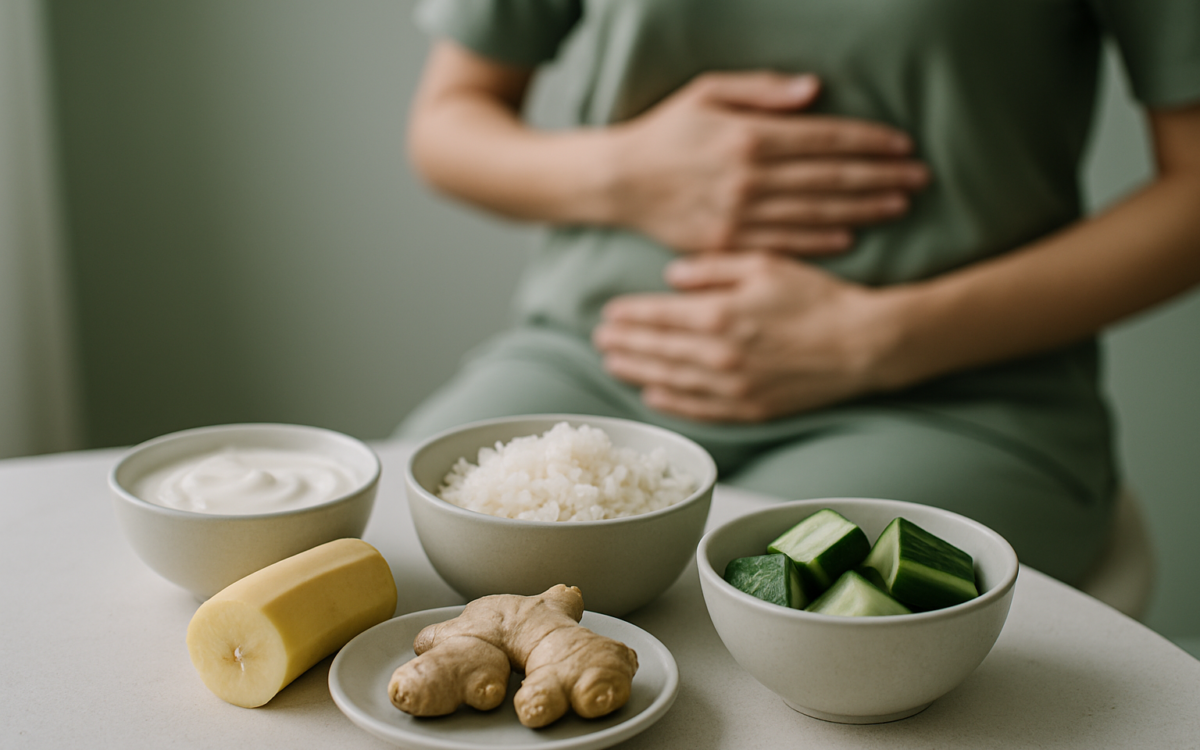
Nausea can be a challenging and uncomfortable experience. Whether it’s due to a stomach bug, anxiety, or something you’ve eaten, knowing what to eat can make a world of difference. Fortunately, there are several foods and drinks that can help settle your stomach and provide some relief. In this article, we’ll explore what foods to consider when nausea strikes.
Why Do We Feel Nauseous?
Nausea is a complex symptom that can arise from various causes. It might be related to digestive issues, motion sickness, certain medications, or even stress. Understanding the underlying reason for your nausea may help in addressing it more effectively. However, when it comes to managing nausea through diet, there are several universally soothing foods that can help ease the sensation.
Clear Fluids to Stay Hydrated
When you’re feeling nauseous, it’s essential to stay hydrated, especially if you’re also experiencing vomiting. Clear fluids can be your best friend during such times:
- Water: Start by sipping small amounts of water. Drinking in small quantities helps in keeping your body hydrated without overwhelming your stomach.
- Broth: Clear broths, such as chicken or vegetable broth, provide hydration and nutrients.
- Herbal teas: Ginger or peppermint tea can be soothing. Both ginger and peppermint are known for their anti-nausea properties.
- Electrolyte solutions: Consider drinks that replace lost electrolytes, especially after vomiting.
Ginger: A Natural Remedy
Ginger is one of the most widely recommended natural remedies for nausea. It has been scientifically studied and shown to help reduce nausea related to pregnancy, chemotherapy, and other conditions. There are numerous ways to incorporate ginger into your diet:
- Ginger tea: Boil fresh ginger slices in water for a calming tea.
- Candied ginger: A sweet treat that can also settle your stomach.
- Ginger ale: Opt for real ginger ale, which contains ginger root. However, it’s best to choose brands that are low in sugar.
Plain and Simple: The BRAT Diet
The BRAT diet consists of bananas, rice, applesauce, and toast—four bland foods that are easy on the stomach. This diet is often recommended for people experiencing digestive distress:
- Bananas: Easy to digest and help replenish lost potassium.
- Rice: Plain, white rice is gentle on the stomach and can help bind loose stools.
- Applesauce: Contains pectin which can be soothing and aids digestion.
- Toast: Simple, dry toast can help absorb excess stomach acid.
Other Gentle Foods
In addition to the BRAT diet, several other foods can be beneficial when you’re feeling nauseous:
- Crackers: Plain, dry crackers can help settle the stomach and are easy to munch on.
- Oatmeal: A warm bowl of plain oatmeal provides comfort and fiber, which is gentle on the digestive system.
- Scrambled eggs: Soft, scrambled eggs are nutrient-rich and can be easier to digest than harder-boiled eggs.
- Popsicles: A refreshing option that can help soothe nausea and keep you hydrated, especially if they are made from real fruit juice.
Foods to Avoid When Nauseous
While certain foods can help, others may worsen nausea. Here’s a quick guide on what to stay away from:
- Fatty or fried foods: These can be heavy on the stomach and more challenging to digest.
- Spicy foods: While delicious, they can irritate the stomach lining and may worsen nausea.
- Caffeinated beverages: Coffee and certain sodas can aggravate your stomach and lead to dehydration.
- Dairy products: Some people may find dairy products harder to digest when feeling nauseous.
Mindful Eating for Comfort
After you’ve identified soothing foods, paying attention to how you eat can also influence how you feel. Here are some mindful eating tips:
- Small portions: Eating smaller meals more frequently can help avoid overwhelming your stomach.
- Eat slowly: Take your time while eating. This can help your body better process food.
- Focus on temperature: Many people prefer room temperature or warm foods over very hot or cold foods during times of nausea.
When to See a Doctor
While nausea is often manageable at home, certain situations warrant a consultation with a healthcare provider. Seek medical attention if:
- Your nausea is severe and persistent.
- You experience additional symptoms like vomiting blood, severe abdominal pain, or dehydration.
- Your nausea occurs frequently and disrupts your daily life.
- You suspect it may be related to a medication or serious medical condition.
For more information on nausea and its management, consider visiting trusted sources like the Mayo Clinic or the National Institutes of Health.
Feeling nauseous is certainly unpleasant, but knowing what to eat can provide some relief. By sticking to clear fluids and bland foods, you can help settle your stomach and return to normalcy. Remember to listen to your body and consult a healthcare professional if symptoms persist.
