
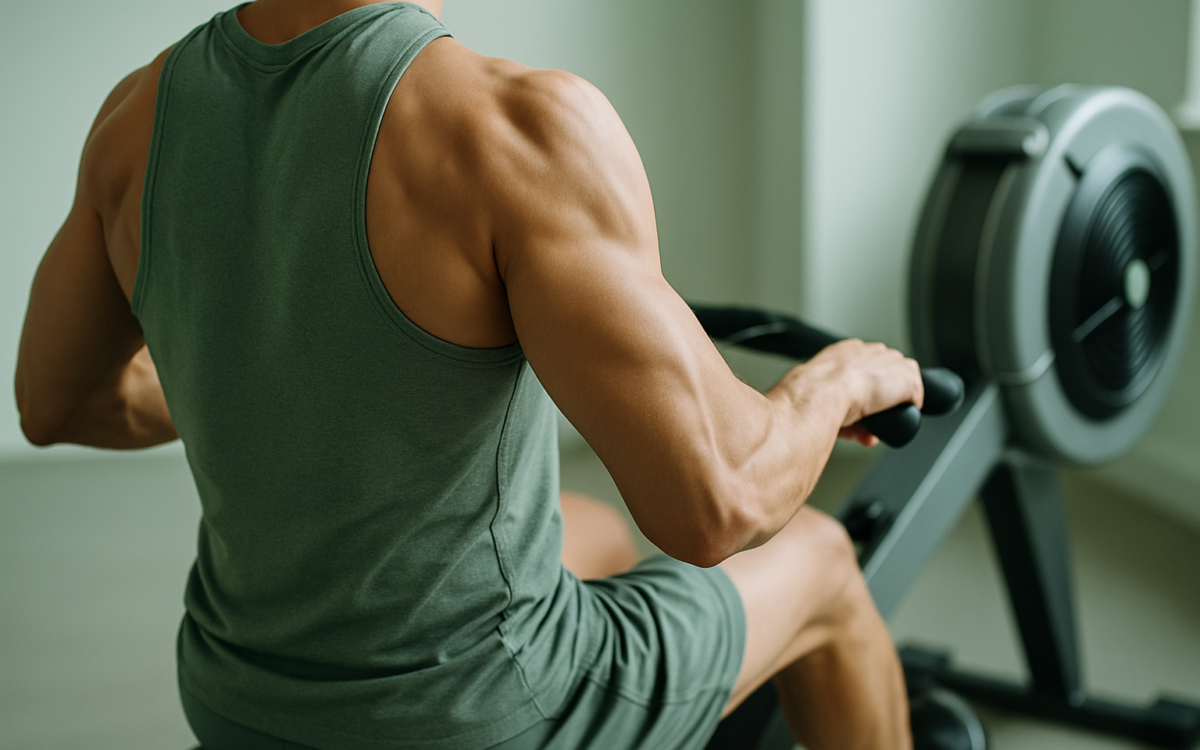
Rowing is not just a fun activity to do on a lake or river; it’s also a fantastic full-body workout that engages several major muscle groups. Whether you’re rowing on a boat or using a rowing machine at the gym, you’re setting yourself up for impressive physical benefits. In this article, we’ll dive into which muscles rowing works and how you can benefit from incorporating it into your fitness routine.
The Full-Body Nature of Rowing
Rowing is a unique exercise that focuses on both upper and lower body muscles, making it one of the most efficient workouts for strength and endurance. Unlike other forms of exercise that may primarily target a single area, rowing engages a wide range of muscles across the body.
Upper Body Muscles Engaged in Rowing
The upper body is heavily involved in rowing, especially during the pull phase of the stroke. The primary muscles worked include:
- Latissimus Dorsi: These large back muscles help with pulling the oar back towards the body. Strong lats contribute to improved posture and upper body strength.
- Trapezius: Located in the upper back, this muscle supports shoulder movement and stability while rowing, contributing to a strong pull.
- Rhomboids: Found between the shoulder blades, rhomboids help in retracting the shoulders, which is crucial for an effective rowing stroke.
- Biceps: These muscles in the front of your upper arms are engaged when you pull the oar towards you, helping you to generate power.
- Forearms: Rowing requires a solid grip on the oar, engaging various muscles in your forearms.
Core Muscles Worked During Rowing
Your core is essential for maintaining good posture and stability during rowing. The following core muscles are engaged:
- Rectus Abdominis: This is your “six-pack” muscle, which helps stabilize your body as you row.
- Obliques: These muscles, located on the sides of your abdomen, assist in twisting motions and help maintain balance during rowing.
- Transverse Abdominis: This deeper core muscle acts like a natural weight belt, providing stability for your spine during the workout.
Lower Body Muscles Involved in Rowing
While the upper body drives the rowing motion, the lower body plays a crucial role by generating power. Key lower body muscles include:
- Quadriceps: Located at the front of your thighs, these muscles are heavily recruited when you push off the foot stretcher with each stroke.
- Hamstrings: Found at the back of your thighs, these muscles help in bending your knees when you draw the oars towards you.
- Gluteus Maximus: This large muscle in your buttocks is a powerhouse during the push-off phase, contributing to the overall drive of the stroke.
- Calves: The calf muscles assist in stabilizing your lower body while you push off, helping with the smoothness of the rowing motion.
The Benefits of Rowing for Muscle Toning
Not only does rowing activate various muscle groups, but it also offers numerous health benefits. Here are some of the most significant advantages:
- Improved Cardiovascular Fitness: Rowing is an excellent way to boost your heart health and increase your overall stamina.
- Enhanced Muscle Tone: As you strengthen multiple muscle groups simultaneously, you’ll notice greater muscle definition over time.
- Low-Impact Exercise: Rowing is gentle on the joints, making it an ideal workout for people of all fitness levels, including those recovering from injuries.
- Calorie Burning: It can help burn a significant number of calories, which can aid in weight management.
Incorporating Rowing Into Your Workout Routine
If you’re considering adding rowing to your fitness regimen, here are some tips to get you started:
- Start Slow: If you’re new to rowing, begin with shorter sessions to allow your body to adapt.
- Focus on Technique: Proper form is crucial for avoiding injury and maximizing the benefits. Consider taking a lesson or watching instructional videos.
- Vary Your Workouts: Mix rowing with other forms of exercise to engage different muscle groups and keep your routine interesting.
When to See a Doctor
While rowing is generally safe, it’s essential to listen to your body. If you experience persistent pain or discomfort, it’s wise to consult with a healthcare professional. Conditions like back pain, joint instability, or muscle strain may require attention. For more information on when to seek medical advice, visit the Mayo Clinic.
In conclusion, rowing is a powerhouse workout that engages a myriad of muscle groups, offering unique benefits for both strength and endurance. Whether you’re looking to tone up, improve your cardiovascular fitness, or simply enjoy an active lifestyle, rowing may be the perfect addition to your routine. Always remember to consult a healthcare provider before starting any new exercise program, especially if you have preexisting conditions.
