
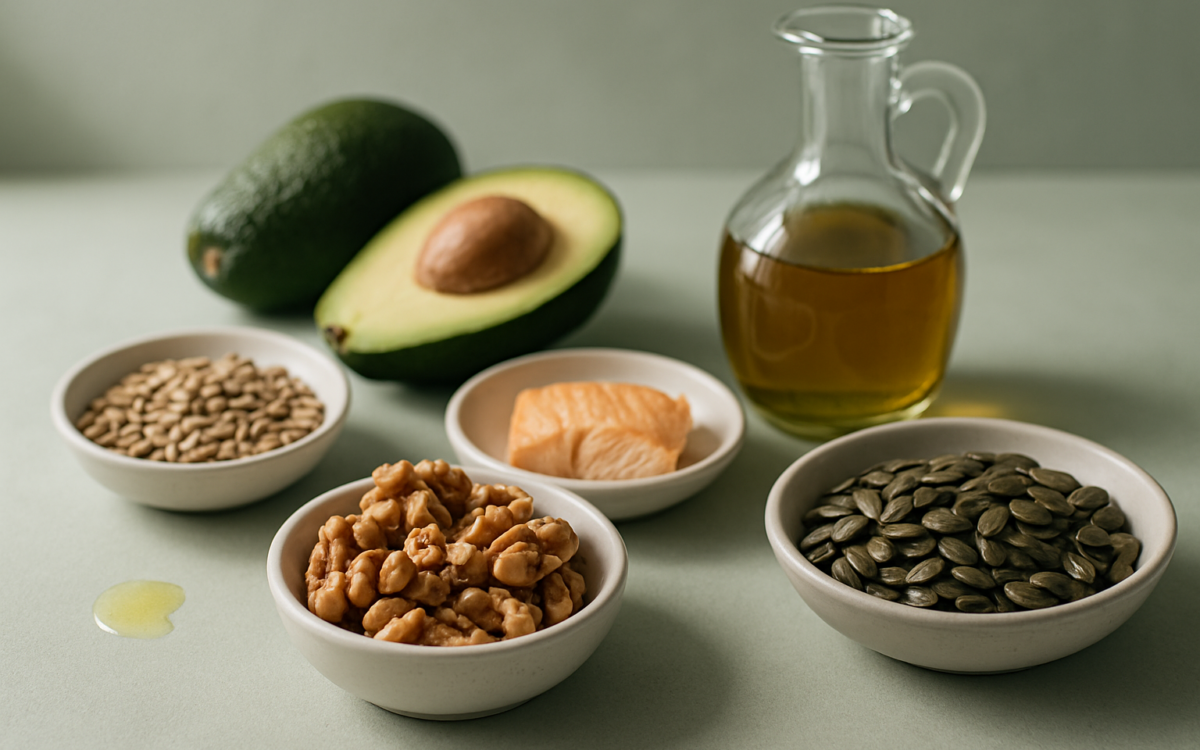
When it comes to dietary fats, you’ve probably heard a lot about omega-3s and their numerous health benefits. But what about omega-6 fatty acids? These essential fats play a crucial role in your body but are often overlooked. In this article, we’ll explore what omega-6 foods are, their health benefits, and how to incorporate them into your diet while maintaining balance between omega-3 and omega-6 intake.
What Are Omega-6 Fatty Acids?
Omega-6 fatty acids are polyunsaturated fats that are essential for human health. Your body cannot produce them on its own, which means you need to obtain them through your diet. The most common type of omega-6 fatty acid is linoleic acid, which can be found in various plant oils, nuts, and seeds.
These fatty acids are important for several bodily functions, including:
- Cell structure and function
- Hormone production
- Brain health
- Skin health
- Regulation of metabolism
Despite their benefits, it’s essential to consume omega-6 fatty acids in moderation. A proper balance between omega-6 and omega-3 fatty acids is key for optimal health.
Sources of Omega-6 Foods
Omega-6 fatty acids are abundant in many foods, particularly in vegetable oils. Here are some common sources of omega-6:
- Vegetable oils: Corn oil, soybean oil, sunflower oil, and safflower oil are rich in omega-6 fatty acids.
- Nuts and seeds: Walnuts, pine nuts, and pumpkin seeds provide a good amount of omega-6.
- Processed foods: Many processed and fast foods use omega-6-rich oils, contributing to your overall intake.
- Meats: Certain cuts of meat and poultry can contain omega-6 fatty acids, especially those fed with grain-based diets.
While these foods can contribute to your omega-6 intake, it’s essential to consider the quality of your overall fat consumption.
The Importance of Balance: Omega-3 vs. Omega-6
One of the key aspects of incorporating omega-6 foods into your diet is ensuring you maintain a proper balance with omega-3 fatty acids. In modern diets, omega-6 intake often outweighs that of omega-3s, which can lead to various health issues.
Research indicates that an excess of omega-6 relative to omega-3 can support inflammation, which plays a role in conditions like heart disease and arthritis. The recommended ratio of omega-6 to omega-3 intake is generally around 4:1 or lower (NIH).
To achieve this balance, consider incorporating more omega-3-rich foods into your diet, such as:
- Fatty fish (salmon, mackerel, sardines)
- Flaxseeds and chia seeds
- Walnuts
- Hemp seeds
By including both omega-6 and omega-3 sources in your meals, you can create a more nutritious and balanced diet.
Hidden Sources of Omega-6 Fatty Acids
It’s worth noting that you might be consuming more omega-6 fatty acids than you realize, especially if you frequently eat processed foods. Here are some hidden sources that can lead to increased intake:
- Snack foods: Many chips, crackers, and cookies are made with omega-6-rich oils.
- Fast food: Fried foods from fast-food chains often use vegetable oils high in omega-6.
- Salad dressings: Some commercial salad dressings use corn or soybean oil, adding to your omega-6 intake.
Be mindful of the fats in your diet and try replacing processed snacks with healthier options like fruits, vegetables, or whole-grain snacks.
The Role of Omega-6 in Inflammation
The relationship between omega-6 fatty acids and inflammation is complex and still being studied. Some omega-6 fatty acids can give rise to inflammatory compounds, prompting concerns about their consumption. However, not all omega-6 fatty acids are created equal.
A well-balanced diet with appropriate omega-6 intake can play a role in inflammatory response, immunity, and overall health. This variability means that how much omega-6 someone should consume can vary widely based on individual health needs and lifestyle factors (WHO). Therefore, it’s vital to consult with a healthcare professional for personalized dietary guidance.
When to See a Doctor
If you have specific health concerns, dietary restrictions, or conditions that may be affected by your fat intake, it’s essential to speak to a healthcare provider. They can provide personalized recommendations based on your health history and nutritional needs.
Conclusion
Omega-6 fatty acids are essential for our health, playing a role in everything from cell function to hormone production. By understanding the food sources of omega-6 and balancing them with omega-3s, you can maintain a healthy diet. With varied sources available, it’s achievable to enjoy the benefits of omega-6 while ensuring it doesn’t overshadow the importance of omega-3 fatty acids. Always strive to create a balanced and nutritious eating plan that supports your overall health!
