
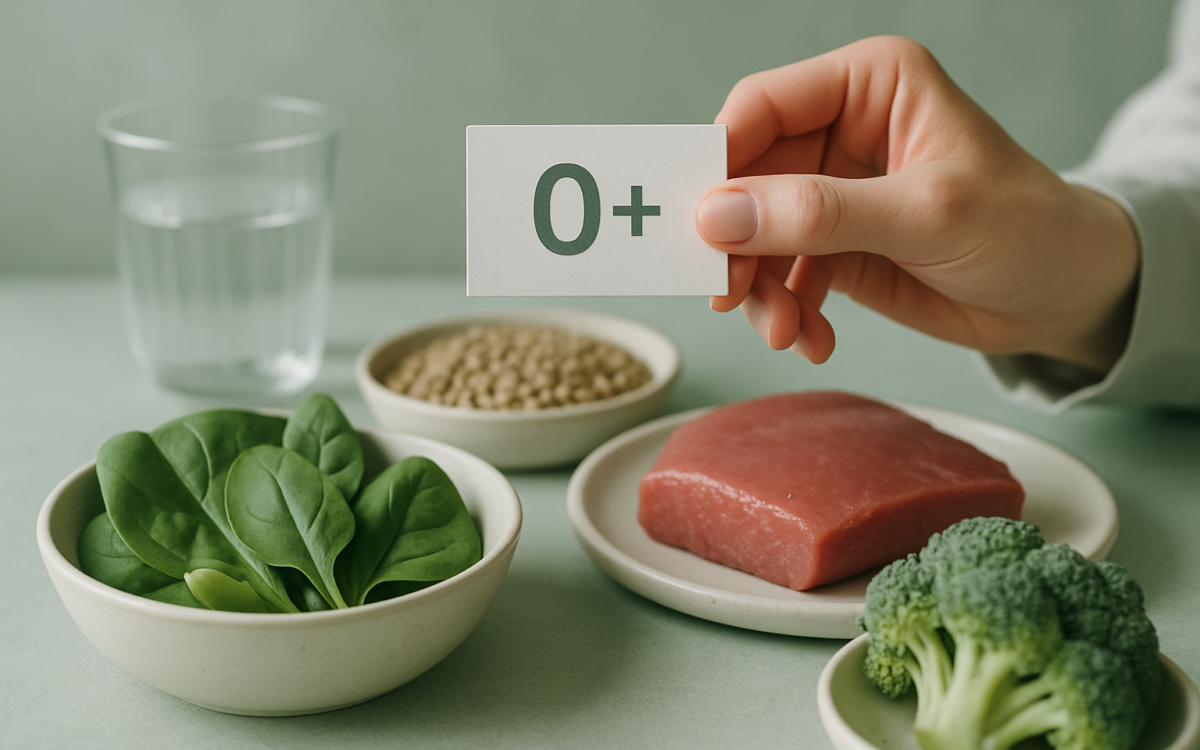
Eating for your blood type is an idea that has attracted many people over the years. Among the different blood types, O positive is often considered unique and tends to have specific nutritional needs. If you have this blood group, understanding which foods can support your health is essential. In this article, we will explore the best food choices for those with an O positive blood group to help you lead a healthier life.
Understanding the O Positive Blood Group
The O positive blood group is one of the most common blood types globally. Blood type diets, popularized by the idea that our blood type can influence how we metabolize food, suggest that certain foods may be more beneficial. While research on blood type diets is mixed, focusing on healthy, nutrient-dense foods is generally a good approach for everyone.
Recommended Foods for O Positive Blood Group
People with O positive blood may benefit from a diet rich in certain foods. Consider incorporating the following:
- Lean Proteins: O positive individuals thrive on protein-rich foods. Lean meats, such as chicken, turkey, and beef, are excellent choices. Fish, particularly fatty fish like salmon and mackerel, can provide essential omega-3 fatty acids.
- Fruits and Vegetables: A wide variety of fruits and vegetables should be included in your diet. Leafy greens like spinach and kale, along with brightly colored vegetables like bell peppers and carrots, can enhance your nutrient intake. Fruits such as berries, pears, and cherries are excellent options.
- Nuts and Seeds: Nuts, especially walnuts and almonds, and seeds such as pumpkin seeds, can offer healthy fats and protein. They are also rich in vitamins and minerals.
- Whole Grains: Consuming whole grains like quinoa, brown rice, and oats can help support digestive health. These grains are higher in fiber compared to refined grains.
Foods to Limit or Avoid
While it’s beneficial to know what to eat, it’s equally important to be aware of foods that may not be the best for the O positive blood group. Try to limit or avoid:
- Dairy Products: Many people with type O blood may find dairy hard to digest. Consider reducing milk, cheese, and yogurt consumption, or choose lactose-free alternatives.
- Grains Such as Wheat: Some diets suggest that individuals with O blood types should limit their intake of wheat and gluten products, as they may lead to digestive discomfort.
- Processed Foods: Highly processed foods can be lacking in nutrients and high in unhealthy fats. Aim to eat whole, unprocessed foods as much as possible.
Hydration and Beverage Choices
Staying hydrated is critical for everyone, including those with O positive blood. Opt for:
- Water: The best choice for hydration. Aim for 8 to 10 cups a day, depending on your activity level.
- Herbal Teas: Herbal teas can provide hydration and, depending on the type, offer health benefits. Ginger and green tea may be particularly beneficial.
- Avoid Sugary Drinks: Limit sodas and sugary beverages, which can contribute to weight gain and other health issues.
Balancing Your Diet
Striking a balance in your diet is vital. Ensure that you are eating a variety of foods to get all the essential nutrients. Pairing proteins with healthy fats and plenty of fruits and vegetables can create well-rounded meals. Regularly altering your food choices can help maintain interest in your diet and provide a broader spectrum of nutrients.
When to See a Doctor
If you experience any unusual symptoms, digestive issues, or difficulty with certain foods, it’s important to consult a healthcare professional. They can provide individualized guidance and help rule out any underlying conditions. Always prioritize discussions with your doctor before making significant dietary changes.
Conclusion
While there is still ongoing research into the impacts of diet based on blood type, making healthy food choices is beneficial for everyone. Focusing on whole, nutrient-dense foods, especially those emphasized for the O positive blood group, might help you feel your best. Remember to listen to your body and consult with a healthcare professional for tailored advice.
