
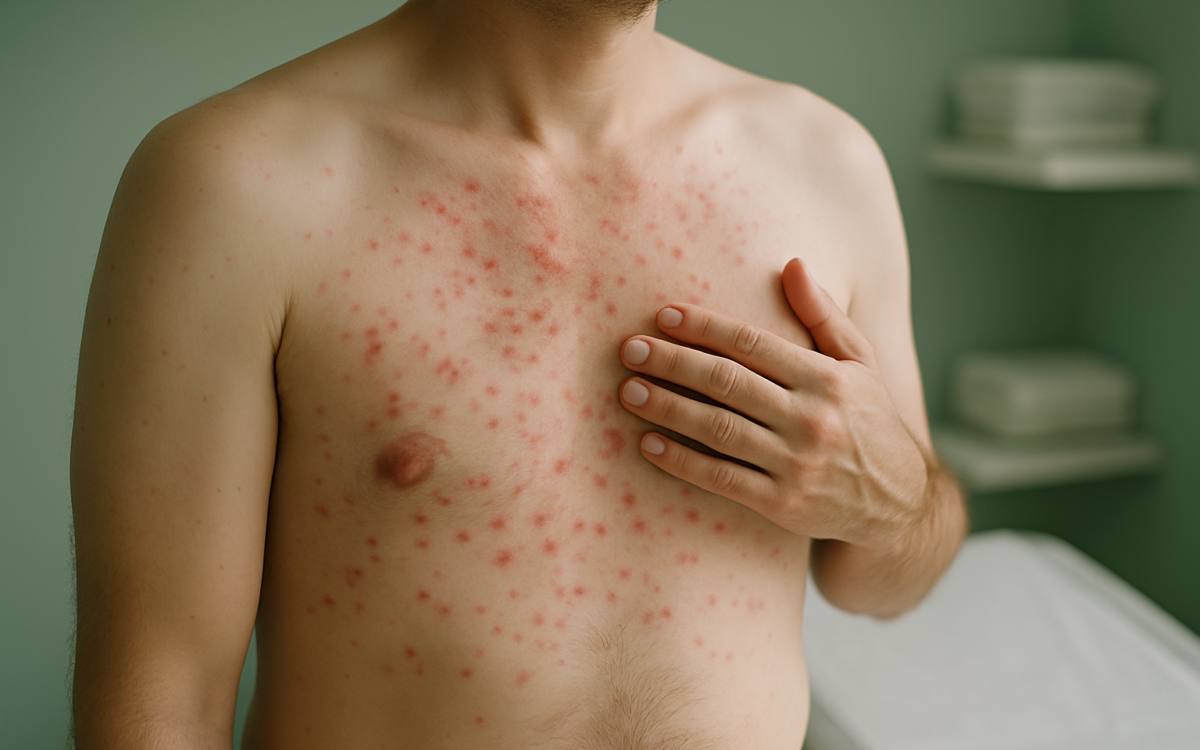
Skin rashes can be alarming, especially when they appear unexpectedly. One area of concern is the relationship between skin rashes and venereal diseases, often known as sexually transmitted infections (STIs). Understanding the signs of these rashes, their underlying causes, and the appropriate response is crucial for maintaining both your skin health and overall well-being.
What are venereal diseases?
Venereal diseases, or sexually transmitted infections, are infections primarily transmitted through sexual contact. They include a variety of pathogens, such as bacteria, viruses, and parasites. Some of the most common STIs include:
- Chlamydia
- Gonorrhea
- Syphilis
- Herpes simplex virus
- Human papillomavirus (HPV)
Many of these infections can lead to a range of symptoms, including genital sores, unusual discharge, and, as we’ll discuss here, skin rashes. Understanding these diseases is vital for early recognition and treatment.
Identifying skin rashes associated with STIs
Skin rashes related to STIs can vary significantly in appearance and location. Some rashes may be localized to the genital area, while others can appear on other parts of the body. Here are a few examples:
1. Genital herpes
Genital herpes, caused by the herpes simplex virus, often presents as clusters of small, painful blisters on or around the genitals. These blisters can break open, leading to sores that may crust over and heal within a few weeks.
2. Syphilis
In its secondary stage, syphilis can cause a rash that typically appears as reddish-brown spots or sores on various parts of the body, including the trunk and limbs. This rash is usually not itchy and may accompany other systemic symptoms like fever or swollen lymph nodes.
3. HPV-related warts
Human papillomavirus can cause genital warts, which may appear as small, flesh-colored bumps or as larger clusters resembling cauliflower. These warts may not be painful but could cause discomfort or itching.
Other potential causes of venereal disease skin rashes
While STIs are a common source of skin rashes, they are not the only culprits. Some other conditions can also cause similar rashes, leading to confusion. These include:
1. Allergic reactions
An allergic reaction to latex condoms, lubricants, or even personal care products can cause localized skin irritation and rashes. It’s crucial to distinguish between an allergic reaction and an STI to ensure proper treatment.
2. Skin infections
Bacterial or fungal infections can occur in the genital area and may manifest as rashes. Conditions like candidiasis (a yeast infection) can cause redness, itching, and irritation.
Diagnosis of venereal disease skin rashes
If you notice a rash that you suspect might be associated with a venereal disease, it’s essential to consult a healthcare provider for an accurate diagnosis. Diagnosing the specific cause of a rash typically involves several steps:
- Medical history review: Your doctor will ask about your sexual history, any recent exposures, and your overall health.
- Physical examination: A thorough examination of the rash will help identify its characteristics, which can provide clues regarding its cause.
- Laboratory testing: Blood tests, urine samples, or swabs from sores may be necessary to detect an STI or other underlying conditions.
Treatment options for venereal disease skin rashes
Treatment for a skin rash associated with a venereal disease will depend on the underlying cause. In many cases, treating the infection will lead to the resolution of the rash as well.
1. Antibiotics
Bacterial STIs like chlamydia and gonorrhea are typically treated with antibiotics. Once the infection is cleared, associated skin symptoms usually improve.
2. Antiviral medications
For viral infections like herpes, antiviral medications can help reduce the severity and frequency of outbreaks. While these medications will not cure the virus, they can significantly alleviate symptoms.
3. Topical treatments
If the rash is due to irritation or allergic reaction, topical corticosteroids or antihistamines may be recommended to reduce inflammation and itching.
When to see a doctor
If you develop a skin rash that you believe may be linked to a venereal disease, it’s essential to seek medical care. Additionally, you should consult a doctor if you experience:
- Persistent rash that does not improve with at-home care
- New sores or blisters in the genital area
- Flu-like symptoms along with the rash
- Any other concerning symptoms that might indicate an infection
Early diagnosis and treatment can lead to better outcomes and prevent complications associated with untreated STIs.
Conclusion
Understanding the connection between venereal diseases and skin rashes is crucial for your health. If you notice any unusual skin changes, especially in sensitive areas, consult with your healthcare provider promptly. With the right information and timely care, you can manage your health effectively and address any concerns regarding STIs.
