
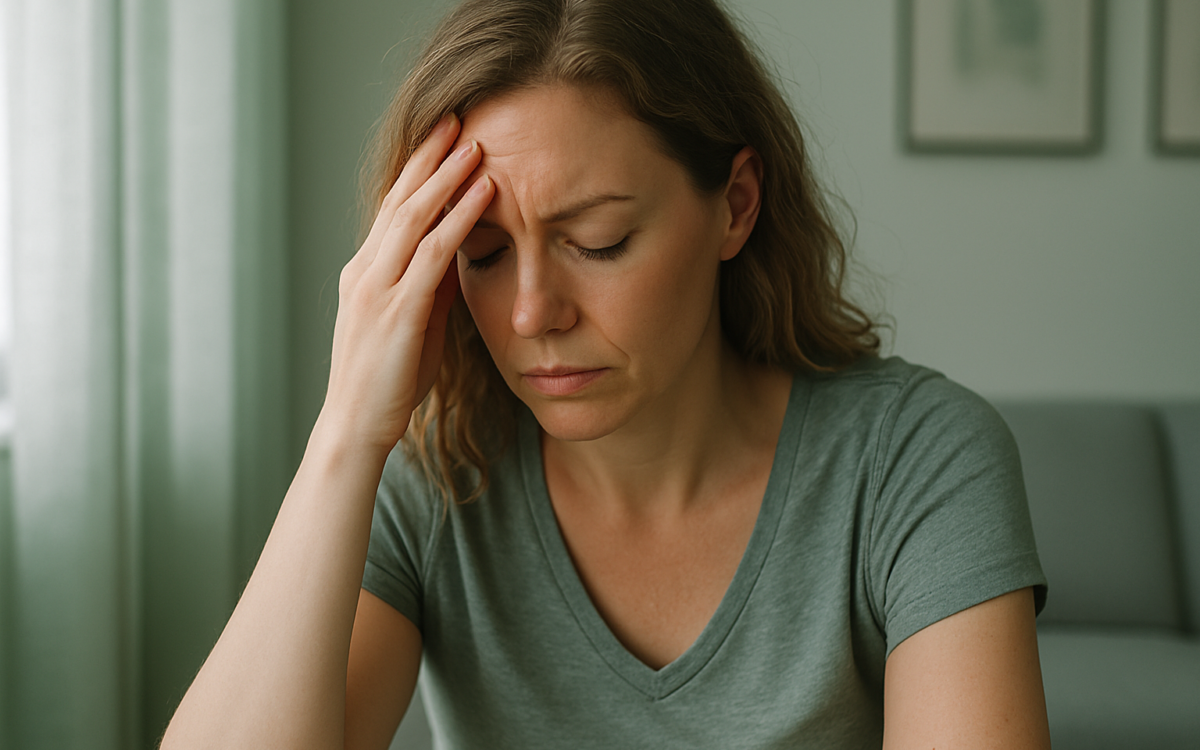
Testosterone is often associated with men’s health, but it plays a crucial role in women’s wellbeing too. Low testosterone levels in females can lead to various symptoms that might be overlooked or mistaken for other issues. Understanding these signs can help women identify potential hormonal imbalances and seek appropriate care.
What is Testosterone and Its Role in Women’s Health?
Testosterone is a hormone produced primarily in the ovaries and adrenal glands in women. Though present in lower amounts than in men, it is vital for several bodily functions, including:
- Maintaining muscle mass and strength
- Supporting bone health
- Contributing to sex drive
- Influencing mood and energy levels
While testosterone levels naturally decline with age, certain medical conditions or lifestyle factors may cause abnormally low levels, leading to various symptoms.
Common Signs of Low Testosterone in Women
Recognizing the signs of low testosterone is essential for women to address potential hormonal imbalances. Some common symptoms include:
1. Decreased Libido
A noticeable drop in sexual desire can be one of the first signs of low testosterone in women. This decrease in libido may affect relationships and overall quality of life.
2. Fatigue and Low Energy
Women experiencing low testosterone often report feeling tired, even after ample rest. This fatigue can interfere with daily activities and may be accompanied by a lack of motivation.
3. Mood Changes
Fluctuations in mood, including increased feelings of irritability, anxiety, or depression, can also be linked to low testosterone levels. These mood changes might be gradual but can significantly impact mental health.
4. Muscle Weakness and Loss of Strength
Testosterone plays a role in muscle maintenance. Women with low testosterone may find it challenging to maintain muscle strength and may notice a decrease in muscle mass, even with regular exercise.
5. Changes in Bone Density
Low testosterone can lead to weaker bones, increasing the risk of osteoporosis or fractures. Women may not realize the connection between low hormone levels and bone health until it’s too late.
Physical Changes Related to Low Testosterone
In addition to the symptoms mentioned above, low testosterone in women can lead to some physical changes:
1. Weight Gain
Some women may experience weight gain or changes in body composition due to low testosterone levels. This can be related to decreased muscle mass and metabolism.
2. Hair and Skin Changes
Women may also experience changes in hair growth, such as increased facial hair or hair thinning on the scalp. Skin changes, like increased oiliness or dryness, can occur as well.
The Impact on Relationships and Quality of Life
Low testosterone can affect women’s lives in various ways, particularly in relationships. Changes in libido and mood can strain partnerships, and fatigue may result in less engagement in shared activities. Recognizing these impacts is crucial for addressing emotional and relational health.
How Low Testosterone is Diagnosed
If you suspect you have low testosterone levels, it’s important to consult a healthcare professional. Diagnosis typically involves:
- Discussing symptoms and personal health history
- Physical examinations
- Blood tests to measure testosterone levels
These evaluations can help rule out other health conditions and tailor an appropriate treatment plan.
Potential Treatment Options
Depending on the underlying cause of low testosterone, treatment may involve lifestyle changes, hormonal therapy, or addressing any underlying health issues. Always consult a healthcare professional before starting any treatment.
When to See a Doctor
If you experience any combination of the symptoms mentioned, it’s advisable to consult with a healthcare provider. Particular signs such as extreme fatigue, significant mood changes, or noticeable physical changes warrant immediate attention. Open communication with your doctor is key to managing hormonal health effectively.
Conclusion
Understanding the signs and symptoms of low testosterone is vital for women navigating their health. Awareness can lead to timely conversations with healthcare providers and foster a more holistic approach to wellbeing. Don’t hesitate to explore these symptoms with a professional who can help guide you toward a healthier, balanced life.
