
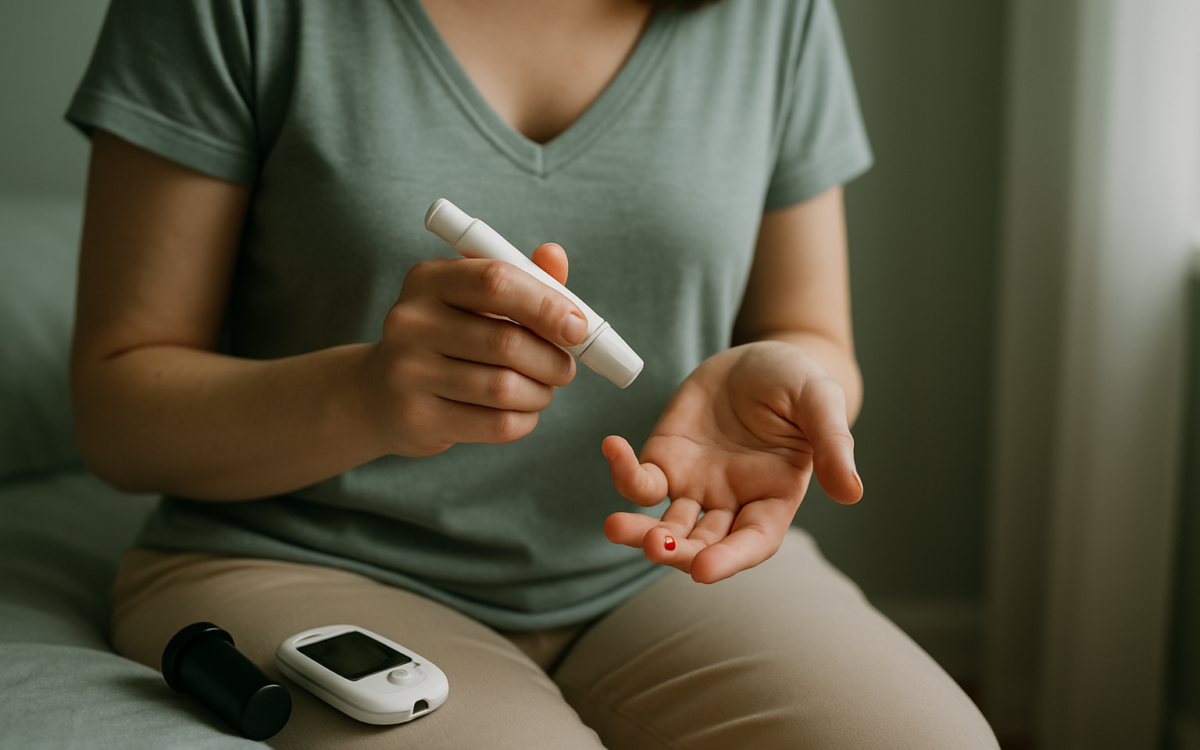
Diabetes is a chronic condition that affects millions of people around the world, with women often experiencing distinct signs that may differ from men. Early detection can be vital in managing this disease effectively. Here, we explore the various symptoms of diabetes specific to women, helping you recognize when it might be time to consult your doctor.
Understanding Diabetes
Diabetes occurs when the body cannot effectively process glucose, the primary sugar found in the bloodstream. There are two main types: Type 1 diabetes, where the body fails to produce insulin, and Type 2 diabetes, which typically involves insulin resistance. Women may present unique symptoms that can sometimes be overlooked or attributed to other conditions.
Common Symptoms of Diabetes in Women
Women may experience several symptoms that can indicate diabetes. Some of the most common signs include:
- Increased Thirst: Feeling excessively thirsty, or experiencing a dry mouth, can be an early warning sign. This symptom is known as polyuria.
- Frequent Urination: A need to urinate more often, especially at night, can be a direct result of high blood sugar levels.
- Unexplained Weight Loss: Losing weight without trying can occur in both Type 1 and Type 2 diabetes. The body starts burning fat rather than glucose for energy.
- Fatigue: Persistent tiredness, even after rest, can result from the body’s inability to manage glucose effectively.
- Blurred Vision: High blood sugar can cause swelling in the eyes, leading to changes in vision.
- Skin Changes: Women might notice more frequent skin infections, slow healing of cuts and bruises, or dark patches of skin, particularly around the neck and armpits (a condition known as acanthosis nigricans).
Hormonal Changes and Diabetes
Women often experience fluctuations in hormones throughout their life stages—menstruation, pregnancy, and menopause—which can complicate the identification of diabetes symptoms. Hormonal changes can affect insulin sensitivity and blood sugar levels, making it challenging to recognize diabetes. Here are some signs to watch out for depending on life stages:
During Menstruation
Many women report increased symptoms of diabetes during their menstrual cycle, such as heightened fatigue and mood swings. Additionally, fluctuating hormones can influence blood sugar control.
During Pregnancy
Gestational diabetes can occur during pregnancy. Women may experience similar symptoms as other types of diabetes, but it often resolves after childbirth. However, it can indicate a risk for developing Type 2 diabetes later in life.
During Menopause
As women approach menopause, changes in hormone levels can lead to weight gain, mood swings, and fatigue, which may mask or mimic diabetes symptoms. Insulin resistance may also increase, raising the risk for Type 2 diabetes.
Emotional and Psychological Symptoms
Diabetes can also affect mental health. Women may experience anxiety or depression as they navigate the complexities of managing diabetes, particularly if they face additional stresses such as hormonal changes or caregiving responsibilities. Recognizing these emotional and psychological signs is just as crucial as identifying the physical symptoms.
Chronic Conditions Associated with Diabetes
Women with diabetes are at a higher risk for several chronic conditions, including:
- Heart Disease: Diabetes increases the risk for heart disease, particularly in women, where symptoms may present differently than in men.
- Kidney Disease: High blood sugar can lead to kidney damage over time, and women need to monitor kidney function regularly.
- Nerve Damage: Diabetic neuropathy commonly affects women, leading to tingling, pain, or numbness, particularly in the feet.
When to See a Doctor
If you notice any of the signs mentioned above or have risk factors for diabetes, such as a family history, obesity, or physical inactivity, consult a healthcare provider. Early intervention can help manage diabetes effectively and prevent complications. The Centers for Disease Control and Prevention (CDC) offers guidelines for risk assessments and screenings for diabetes, which can be beneficial in recognizing early signs (CDC).
Conclusion
Diabetes can affect women differently, and recognizing the signs early is critical for effective management. Staying informed and proactive about your health can make a significant difference. If you suspect you may be experiencing symptoms of diabetes, don’t hesitate to reach out to your healthcare provider for a thorough evaluation and necessary testing to ensure your health is in check.
