
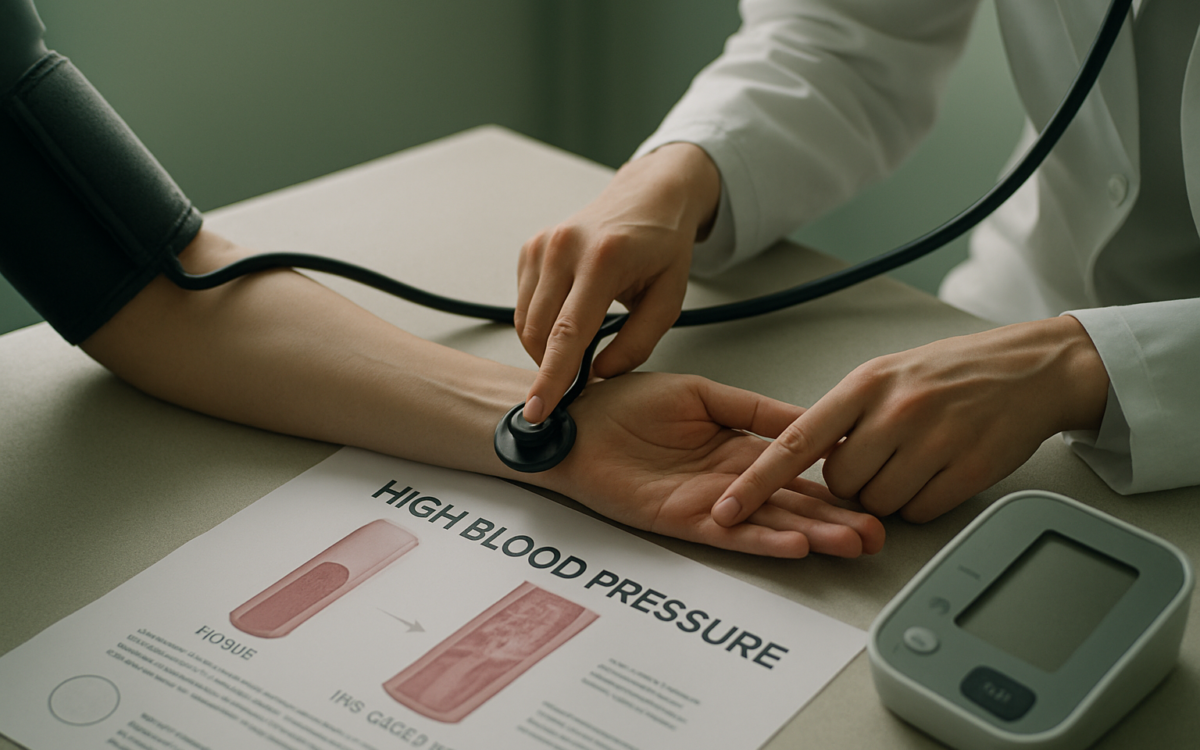
High blood pressure, also known as hypertension, is a common health issue that can affect anyone, regardless of age or background. It’s often dubbed a silent killer because it usually has no obvious symptoms, yet it can lead to serious health problems like heart disease, stroke, and kidney damage. Understanding what causes high blood pressure can help you make informed choices to protect your health.
What is High Blood Pressure?
Blood pressure is the force of blood pushing against the walls of your arteries as your heart pumps it around your body. It is measured in millimeters of mercury (mm Hg) and is given as two numbers. The first number, systolic pressure, measures the pressure when your heart beats. The second number, diastolic pressure, measures the pressure when your heart rests between beats. A reading of 120/80 mm Hg is considered normal, while readings of 130/80 mm Hg or higher are considered elevated or high.
Primary vs. Secondary Hypertension
High blood pressure can be classified into two main types: primary (or essential) hypertension and secondary hypertension.
Primary Hypertension
Primary hypertension is the most common type, and it develops gradually over many years. The exact cause isn’t always clear, but it is influenced by a combination of genetic factors, bad dietary habits, lack of exercise, and other lifestyle choices.
Secondary Hypertension
On the other hand, secondary hypertension is caused by an underlying condition. Conditions that can lead to secondary hypertension include:
- Kidney disease: Conditions affecting the kidneys can interfere with fluid regulation and blood pressure.
- Hormonal disorders: Disorders such as hyperthyroidism or adrenal gland tumors can lead to spikes in blood pressure.
- Certain medications: Some medications, including pain relievers, decongestants, and certain antidepressants, can elevate blood pressure.
Key Risk Factors for High Blood Pressure
Various risk factors contribute to the likelihood of developing high blood pressure. Some of these factors can be controlled, while others cannot.
Lifestyle Factors
Many lifestyle choices significantly impact blood pressure:
- Diet: A diet high in salt, saturated fats, and processed foods can lead to high blood pressure. The American Heart Association suggests a heart-healthy diet rich in fruits, vegetables, whole grains, and lean proteins.
- Physical activity: Lack of physical activity can contribute to weight gain and increase the risk of high blood pressure.
- Weight: Being overweight or obese is a significant risk factor. Extra body weight can make your heart work harder, raising blood pressure.
- Alcohol and tobacco use: Drinking alcohol in moderation and avoiding tobacco products can help maintain a healthy blood pressure.
Age and Genetics
As you age, the risk of developing high blood pressure increases. Family history also plays a role; if your parents or siblings have high blood pressure, your chances of developing it may be higher.
Health Conditions That Contribute to Hypertension
Several medical conditions are associated with high blood pressure:
- Diabetes: High blood sugar levels can damage blood vessels and lead to hypertension.
- Sleep apnea: This condition causes breathing interruptions during sleep, leading to increased blood pressure.
- Chronic kidney disease: As mentioned, kidney problems can affect fluid balance and result in elevated blood pressure.
Environmental and Psychological Factors
Environmental factors can also impact blood pressure. Chronic stress from work, relationships, or financial issues can cause hormonal changes that raise blood pressure. Finding effective ways to manage stress is crucial for maintaining healthy blood pressure levels.
How to Prevent High Blood Pressure
While some factors are beyond your control, many lifestyle choices can help prevent high blood pressure:
- Maintain a healthy weight: Losing even a small amount of weight can help lower your blood pressure.
- Eat a balanced diet: Focus on a heart-healthy diet that is low in salt, saturated fats, and sugar.
- Exercise regularly: Aim for at least 150 minutes of moderate aerobic activity each week.
- Limit alcohol intake: Moderation is key; aim to keep consumption within recommended levels.
- Manage stress: Find relaxation techniques that work for you, such as meditation, yoga, or even deep breathing exercises.
When to See a Doctor
If you suspect you have high blood pressure or notice sudden changes in your health, it’s important to consult a healthcare provider. Regular check-ups can help monitor your blood pressure and provide guidance on maintaining a healthy lifestyle.
Conclusion
Understanding the causes of high blood pressure is essential for prevention and management. By adopting a healthier lifestyle and being aware of personal risk factors, you can take charge of your health. Remember, it’s always best to consult with your doctor for personalized advice and recommendations.
