
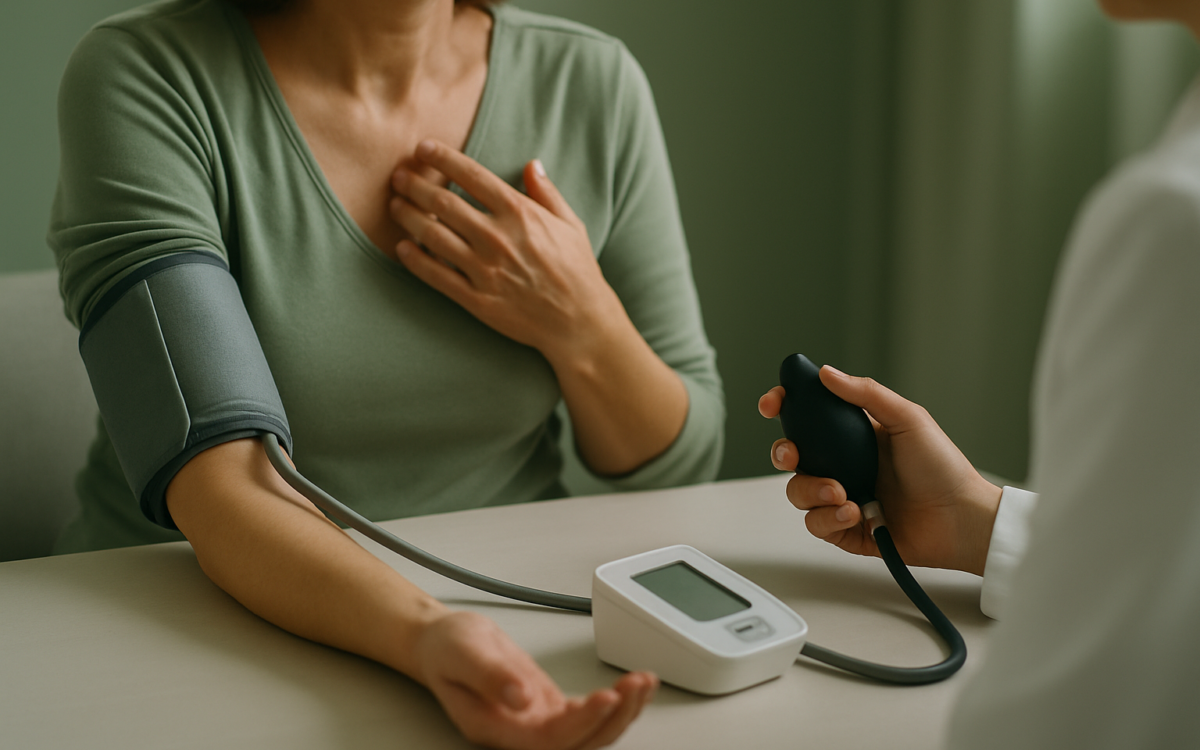
High blood pressure, or hypertension, often goes unnoticed because it rarely has obvious symptoms. However, it can significantly affect your health over time. Understanding the symptoms of hypertension is key to early detection, which can lead to better management and prevention of complications. Let’s delve into what you should look out for.
What is Hypertension?
Hypertension occurs when the blood flowing through your arteries is consistently too high. This can strain your heart and damage your blood vessels, leading to serious health issues like heart disease and stroke. Blood pressure is measured in millimeters of mercury (mm Hg) and is represented with two numbers: systolic (the pressure when your heart beats) over diastolic (the pressure when your heart rests between beats).
The Silent Nature of Hypertension
One of the most challenging aspects of hypertension is its silent nature. This means many people may have high blood pressure for years without even knowing it. In fact, according to the CDC, nearly 1 in 2 adults in the United States has high blood pressure, yet many do not experience any noticeable symptoms.
Common Symptoms of Hypertension
While hypertension is often asymptomatic, some individuals may experience symptoms. These can include:
- Headaches: Severe headaches can occur in some individuals, especially if blood pressure rises rapidly.
- Dizziness or Lightheadedness: Sudden feelings of dizziness may arise, particularly during physical activity.
- Blurred Vision: Changes in vision can signal a health issue, including hypertension.
- Nosebleeds: Frequent or unexplained nosebleeds may happen as hypertension affects blood vessels.
- Shortness of Breath: Difficulty in breathing during activities may arise as the heart struggles to pump efficiently.
It’s important to remember that these symptoms are not exclusive to hypertension, and experiencing them does not guarantee that blood pressure is elevated. For a definitive diagnosis, regular blood pressure monitoring is essential.
Risk Factors for Developing Hypertension
Certain factors can increase your risk of developing hypertension, including:
- Age: Blood pressure tends to rise as you age.
- Family History: A family history of hypertension can increase your risk.
- Obesity: Excess body weight can place added strain on the heart.
- Physical Inactivity: A sedentary lifestyle increases the risk of hypertension.
- High Sodium Diet: Diets high in sodium can lead to higher blood pressure.
- Excessive Alcohol Consumption: Heavy drinking can contribute to higher blood pressure levels.
- Stress: Chronic stress may increase blood pressure levels.
Awareness of these risk factors is crucial for prevention. Making lifestyle changes can often help manage and lower blood pressure.
The Impact of Hypertension on Health
Chronic hypertension can have serious repercussions on your health. Over time, high blood pressure can damage your blood vessels, leading to complications such as:
- Heart Disease: Hypertension is a significant risk factor for heart attacks and heart failure.
- Stroke: High blood pressure can increase the risk of stroke by damaging blood vessels in the brain.
- Kidney Damage: Hypertension can harm the blood vessels in the kidneys, leading to kidney failure.
- Vision Loss: Hypertensive retinopathy can lead to vision loss due to damage to the blood vessels in the retina.
Regular monitoring and management of blood pressure can significantly reduce these risks and improve long-term health outcomes.
When to See a Doctor
Consulting a healthcare provider for hypertension is crucial, especially if you experience severe symptoms such as:
- Severe headaches that don’t go away
- Chest pain or discomfort
- Shortness of breath or difficulty breathing
- Confusion or changes in vision
Even if you have no symptoms, regular check-ups with your doctor are important, especially if you have any risk factors for hypertension. The Mayo Clinic recommends routine blood pressure checks for adults starting at age 18, every 1-2 years, or more frequently for those at higher risk.
Conclusion
Understanding hypertension and its symptoms is critical for maintaining good health. While hypertension often presents without obvious indicators, being aware of the potential signs and risk factors can empower you to take control of your health. Regular monitoring, along with a healthy lifestyle, can help manage blood pressure and reduce the chances of complications. If you suspect that you might have high blood pressure or are experiencing any concerning symptoms, consult your healthcare provider for further evaluation.
